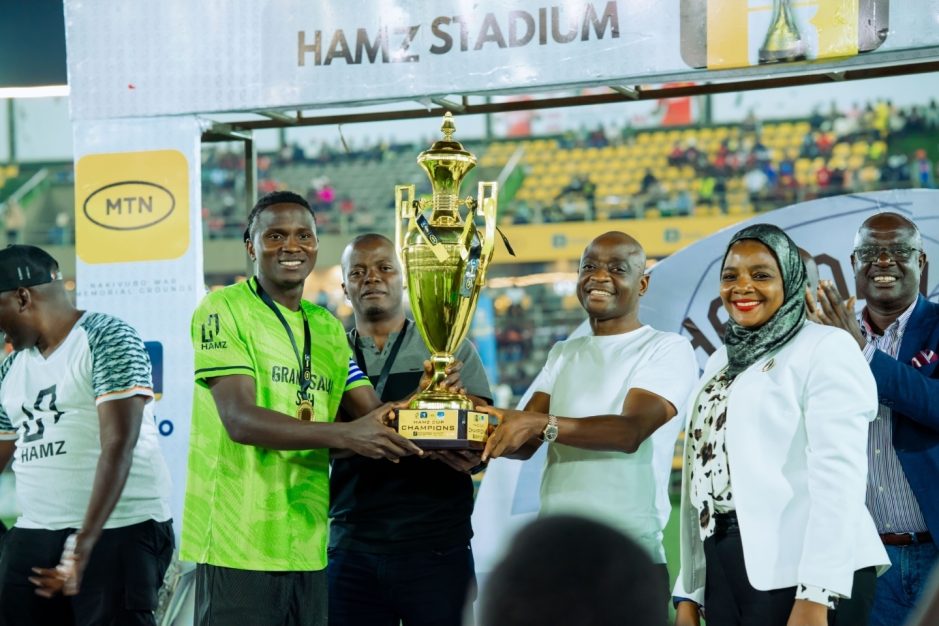
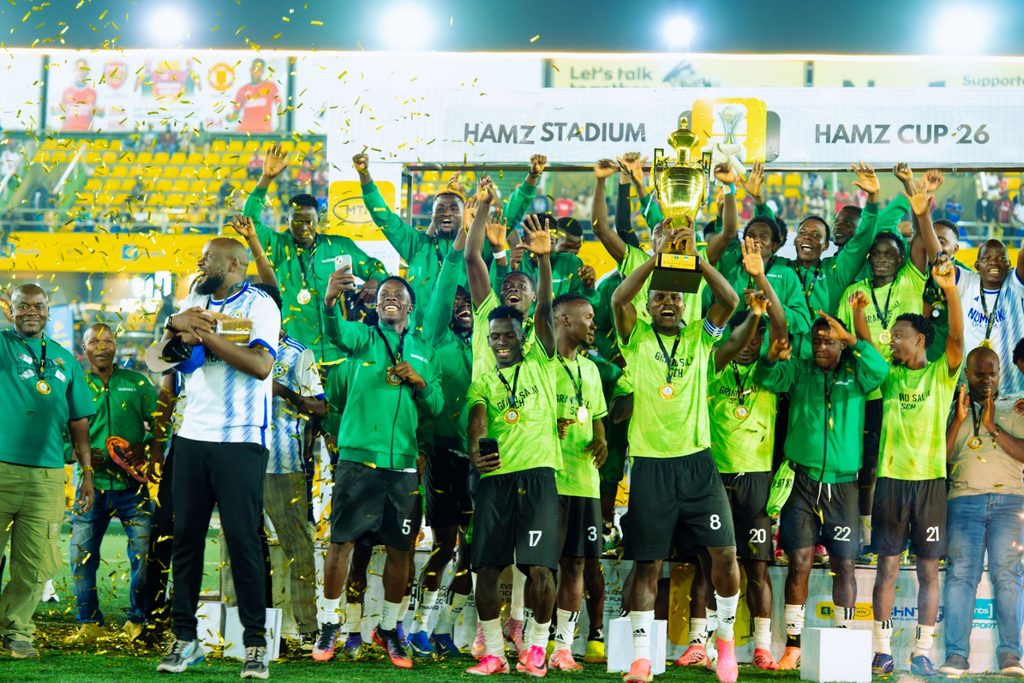
Nurmak Life Team FC claimed the UGX 50 million championship prize after overcoming Manchester United Fans UG in a dramatic shootout, bringing the curtain down on the third Hamz Cup amid football, music and celebrations at Nakivubo.
KAMPALA, Ugand | For two hours, neither Nurmak Life Team FC nor Manchester United Fans UG could find a way past the other. Then, with the third Hamz Cup title hanging on a penalty shootout, goalkeeper Bashir Ssenyonga produced the interventions that would decide the championship.
His two saves helped Nurmak Life secure a 3–2 shootout victory after a goalless 120 minutes at Hamz Stadium, Nakivubo, on Saturday, November 21, 2026.
As the champions celebrated, their victory marked the conclusion of a tournament that had brought together 32 teams and attracted considerable attention across Kampala.
Nurmak Life walked away with UGX 50 million, the championship trophy and the distinction of becoming the third winners of a competition established by businessman Dr. Hamis Kiggundu in 2024.
For Manchester United Fans UG, the defeat was a difficult conclusion to an otherwise successful campaign. The finalists received UGX 25 million for finishing second.
Yet the evening was about more than the result. From the supporters filling the stands to the musicians performing during the programme, Nakivubo hosted an occasion that demonstrated how far the Hamz Cup had travelled from its beginnings as a football competition among commercial communities.
Ssenyonga Takes Centre Stage
The final offered little separation between the two teams during open play.
Nurmak Life and Manchester United Fans UG battled through regulation time without scoring, and the deadlock continued throughout extra time.
With the championship still undecided after 120 minutes, the contest moved to penalties.
It was there that Ssenyonga made the difference.
The Nurmak Life goalkeeper denied two attempts, giving his teammates the advantage they needed to prevail 3–2.
For a competition offering substantial financial rewards and a championship title, the shootout carried considerable pressure. Each successful penalty brought one team closer to victory; each missed attempt threatened to end months of preparation.
When the contest was finally settled, Nurmak Life had completed their championship campaign, while Manchester United Fans UG were left to reflect on a final decided by the narrowest of margins.
The result also gave the tournament its third different champion in as many editions, following Block G in 2024 and Arrows FC in 2025.
UGX 160 Million Distributed as Teams Receive Their Rewards
The championship was accompanied by a substantial financial commitment from the organisers.
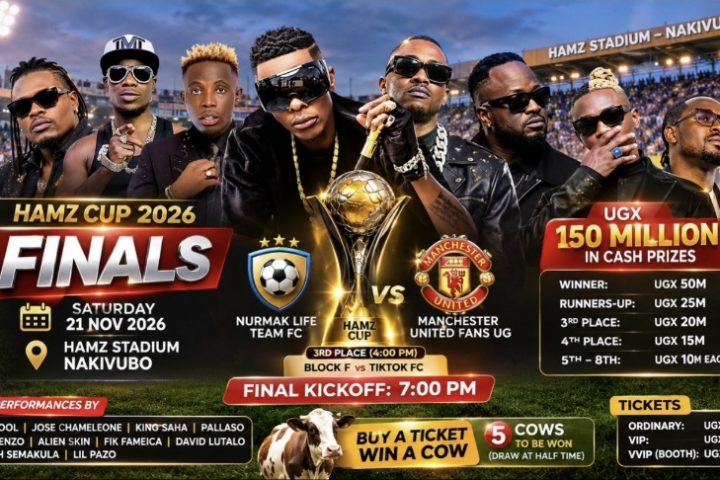
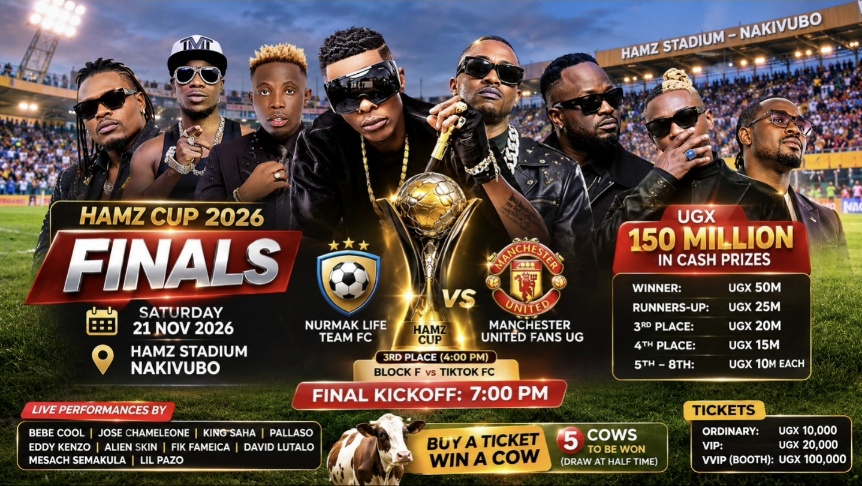
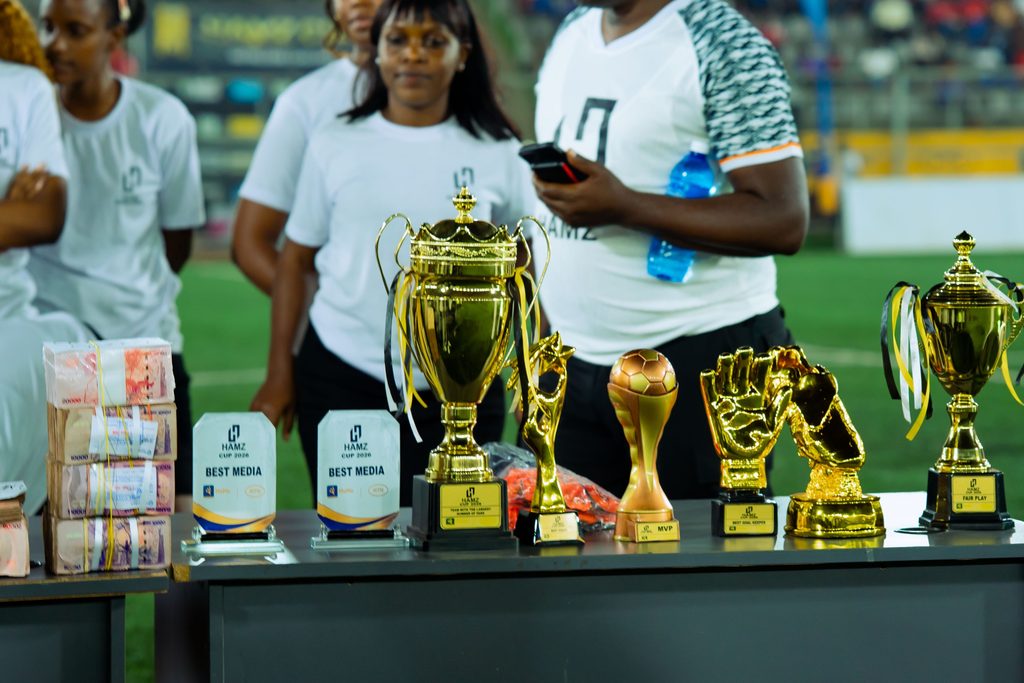
A total of UGX 160 million was distributed in prize money and awards during the 2026 edition, with the four highest-placed teams receiving a combined UGX 110 million.
Nurmak Life collected UGX 50 million as champions, while Manchester United Fans UG received UGX 25 million.
In the third-place playoff, Block F defeated TikTok FC to secure UGX 20 million. TikTok FC received UGX 15 million for finishing fourth.
Other awards formed part of the overall prize distribution, recognising achievements beyond the final standings.
The figures represented a considerable increase from the competition’s inaugural edition in 2024, when the total prize allocation stood at UGX 50 million.
In just two years, the overall prize fund had grown to UGX 160 million — more than three times the original amount.
For amateur teams, such financial incentives can make a meaningful difference. Football participation often comes with costs for transport, equipment, training and team administration, expenses that can be difficult to meet without outside support.
The Hamz Cup’s expanding rewards have consequently become a major attraction, although the competition’s long-term value will also depend on the opportunities it creates for players and the consistency of its organisation.
Football, Music and a Night of Celebration
While the championship match supplied the sporting drama, the final attracted an audience interested in more than football.
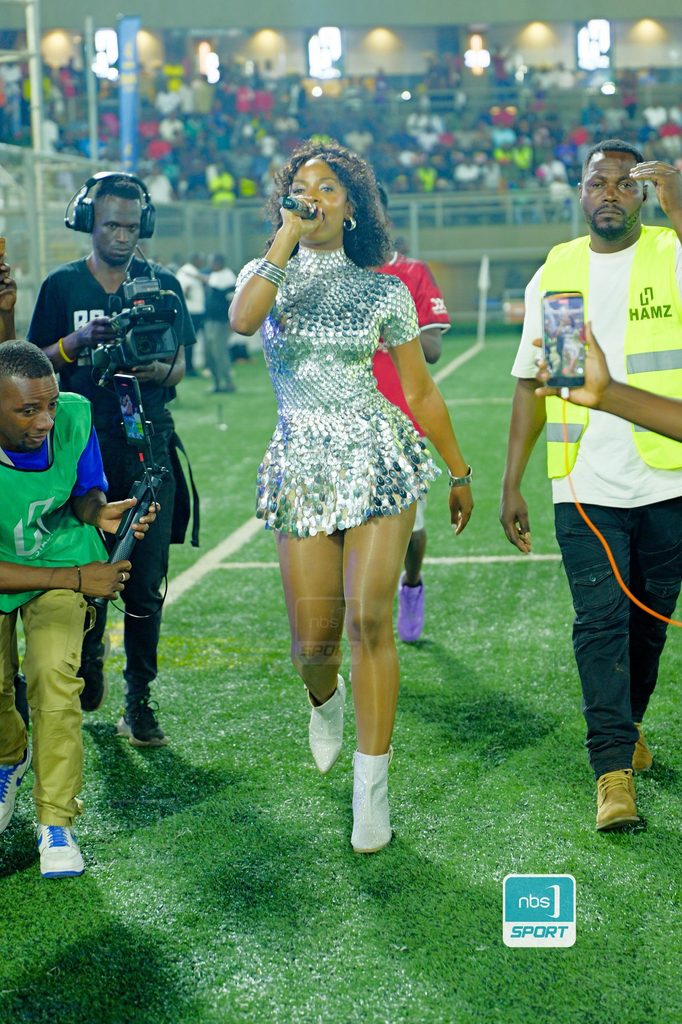
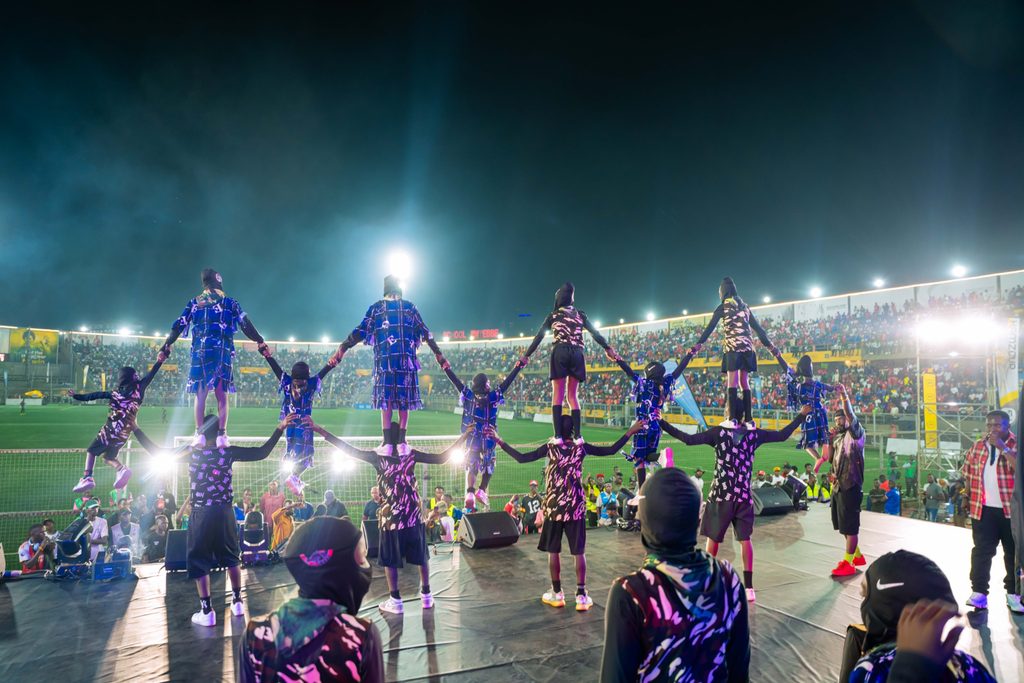
Supporters gathered at Hamz Stadium for a programme that combined competitive matches with live entertainment and audience promotions.
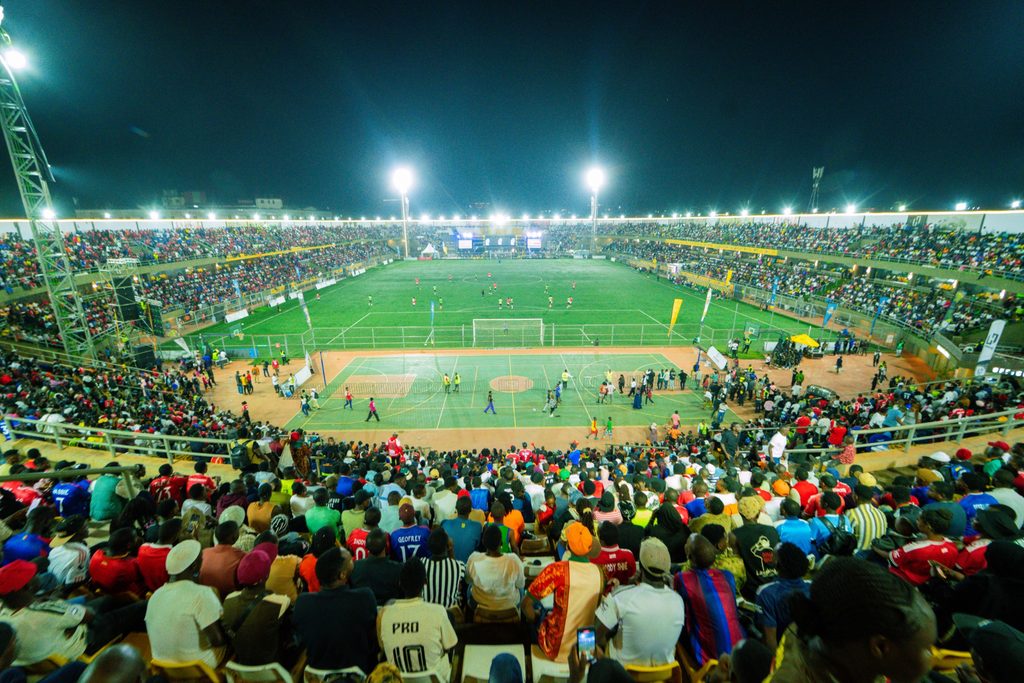
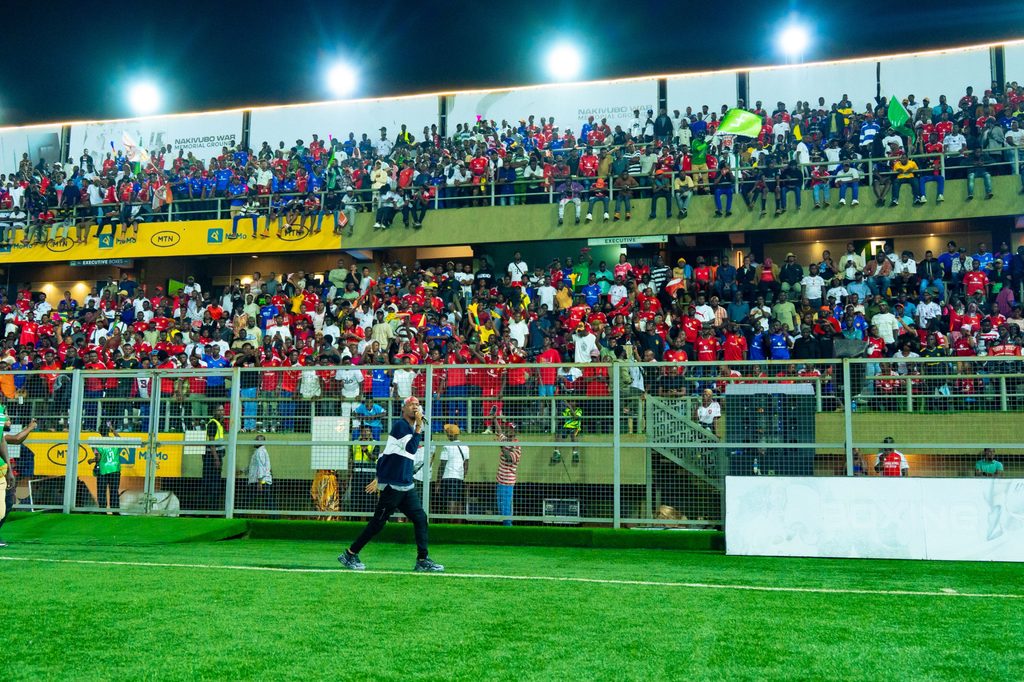
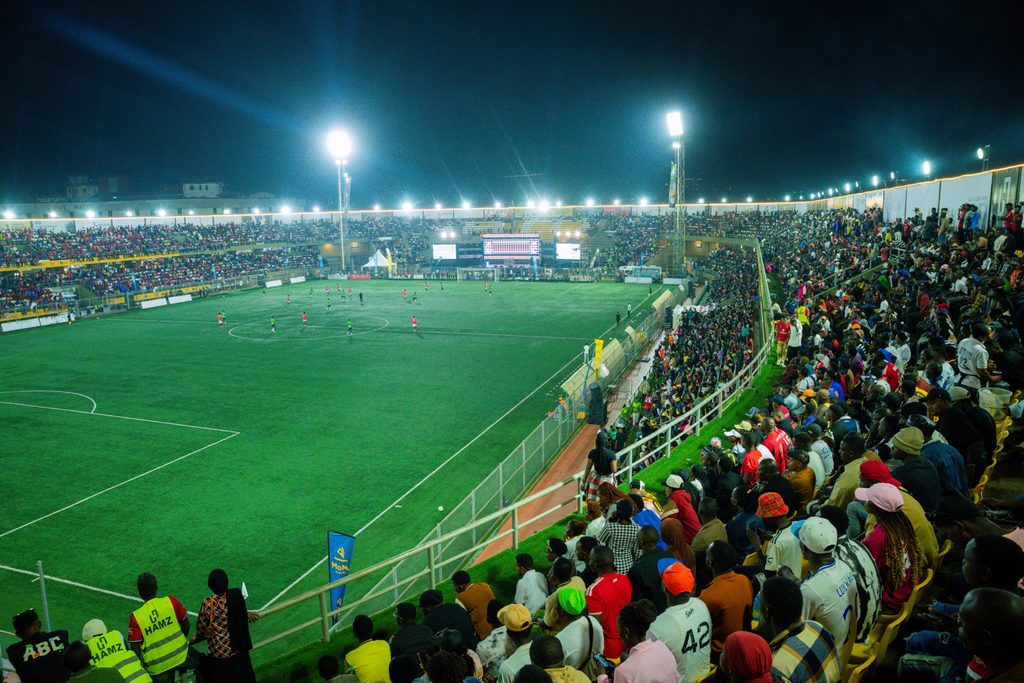
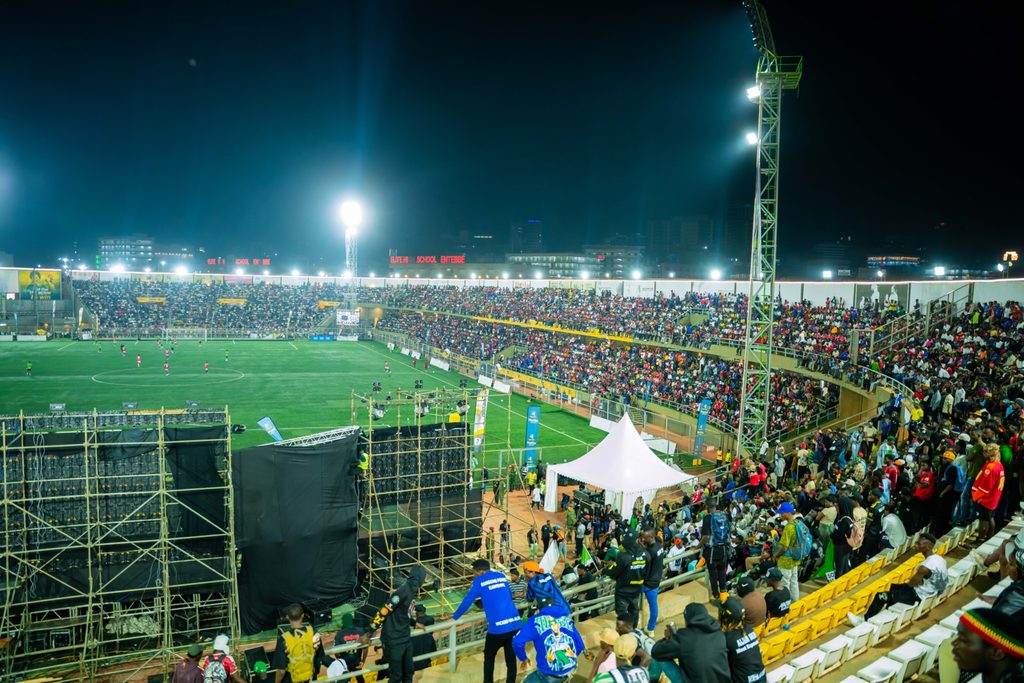
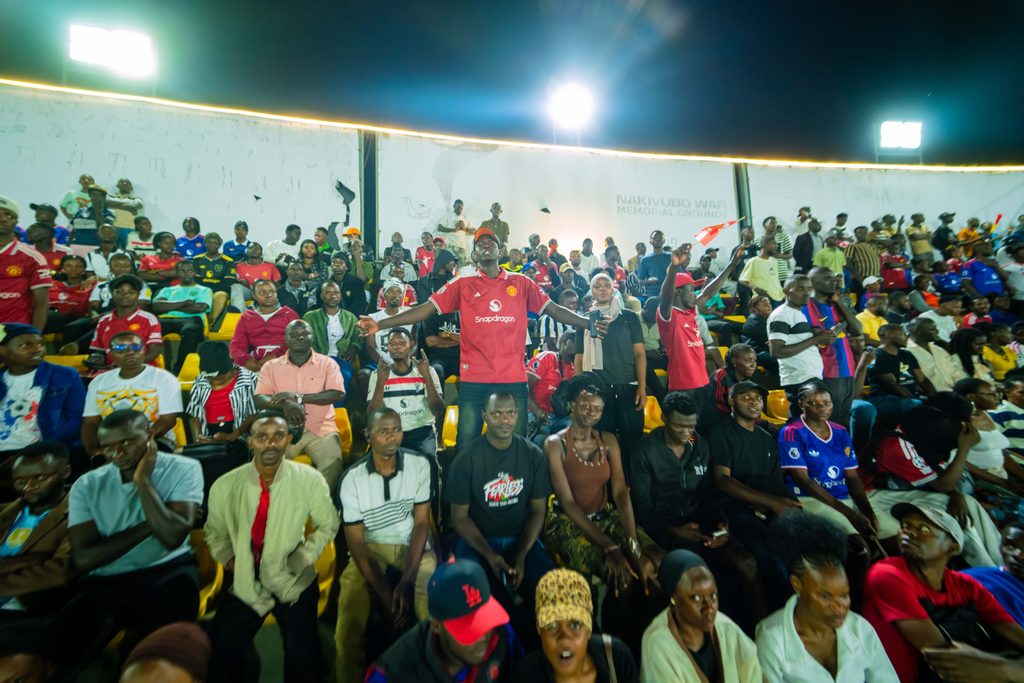
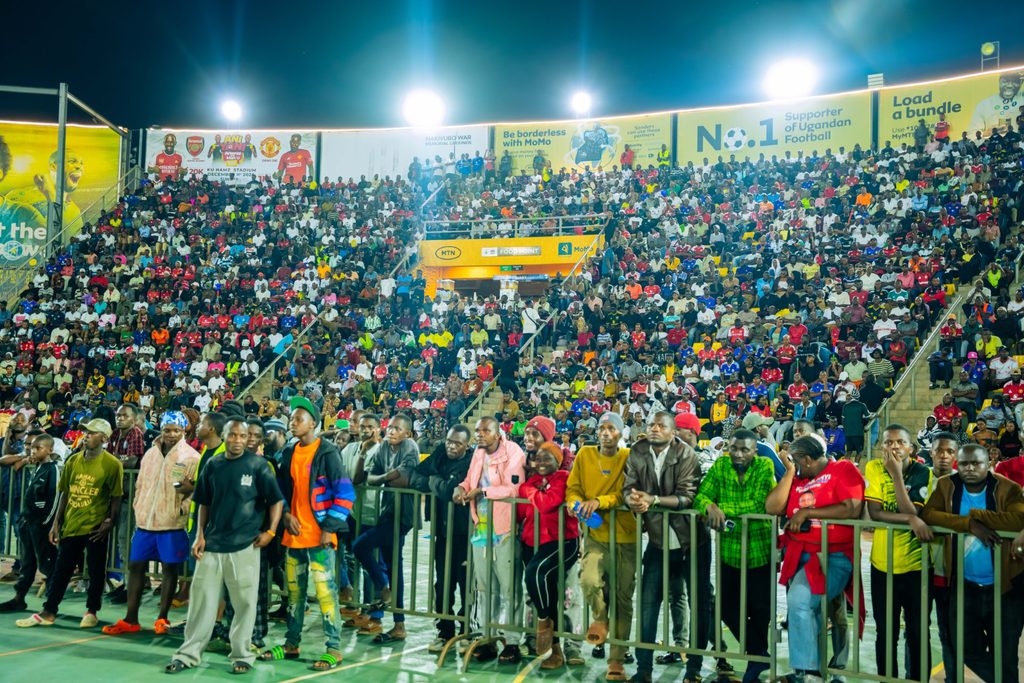
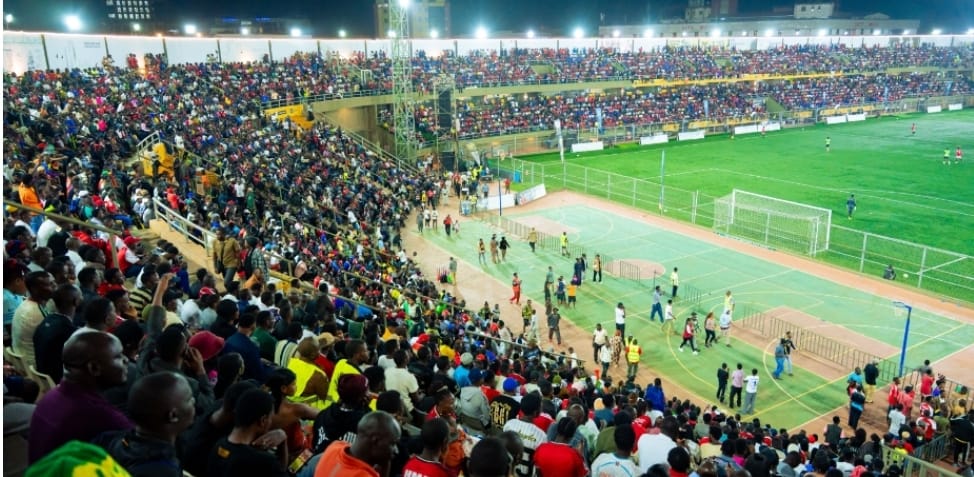
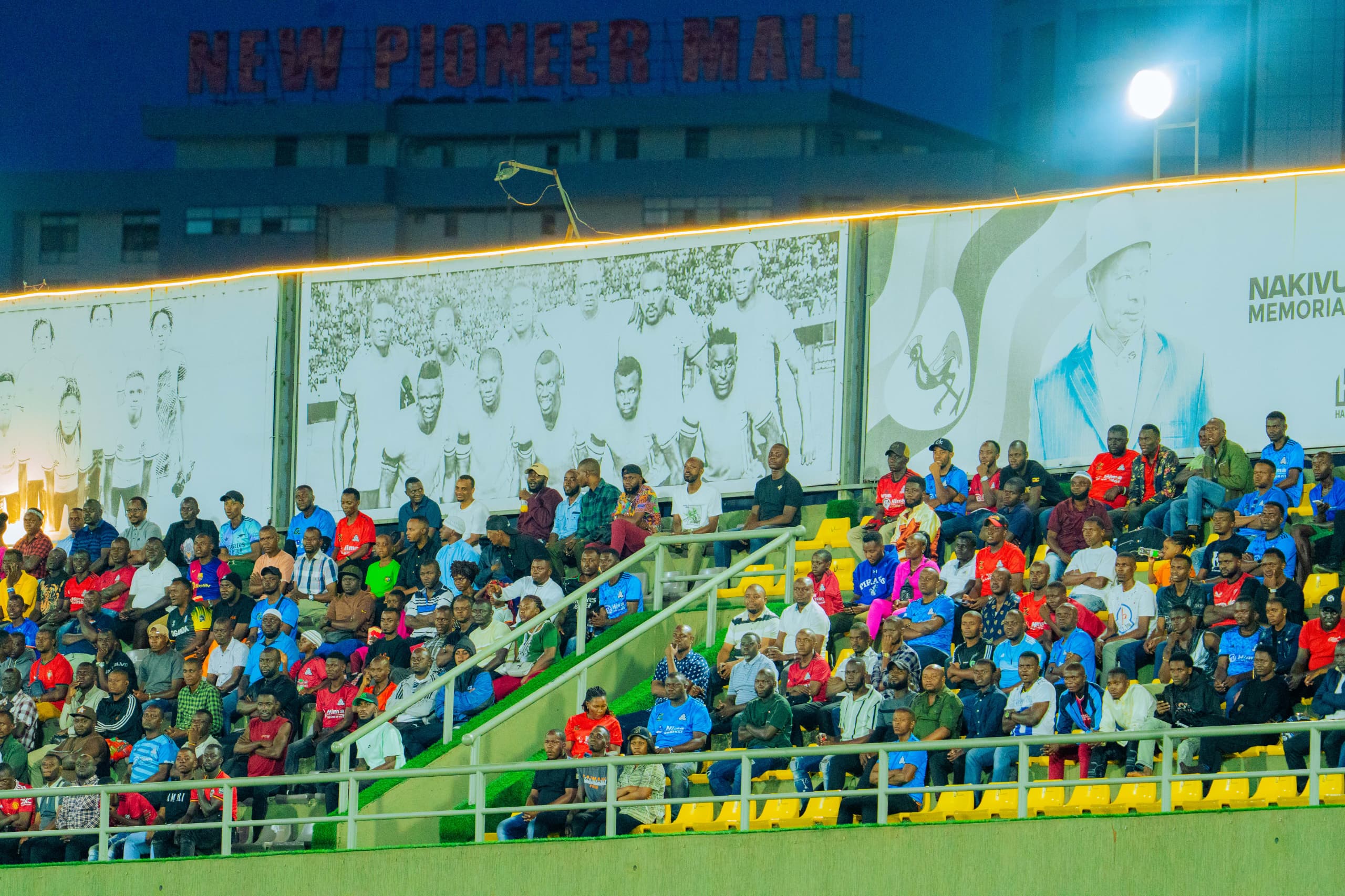
The stadium’s stands were heavily attended, with spectators following the action and participating in the wider celebrations.
Published estimates of the crowd varied, and an official attendance figure was not independently established. Nevertheless, the turnout reflected the growing public interest surrounding the competition.
The programme featured performances by several prominent Ugandan musicians, bringing an additional entertainment dimension to the event.
There were also rewards for spectators.
Five supporters received cows through a ticket-linked draw, an unusual promotion that added another attraction to the final.
The combination of football, music and audience prizes helped turn the occasion into a broader public gathering.
For the organisers, it also offered a way to reach spectators who might not ordinarily attend an amateur football match.
For the teams, playing before a substantial crowd at Nakivubo provided an experience that extended beyond the usual setting of community football.
How Dr. Hamis Kiggundu Brought the Hamz Cup to Life
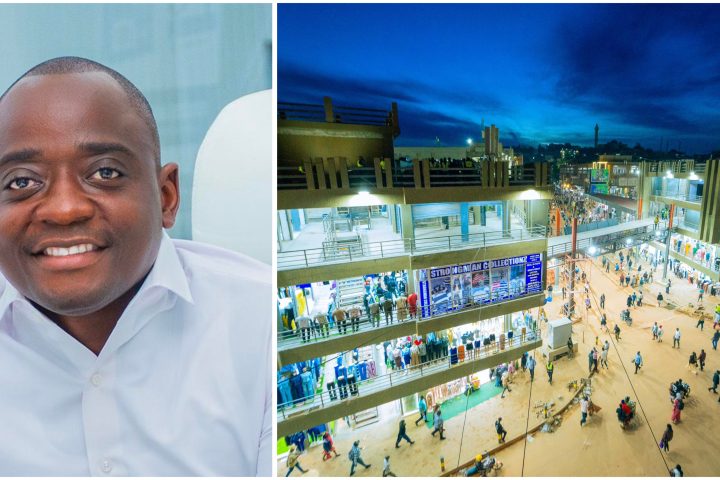
The Hamz Cup was founded in 2024 by Dr. Hamis Kiggundu, the businessman behind Ham Group and the redevelopment of Nakivubo War Memorial Grounds.
The tournament initially focused on bringing together traders, workers and other members of commercial communities associated with Ham Group’s business establishments.
These included people connected to Ham Shopping Grounds, Bya’Allah Mall, Ham Towers, the White House and surrounding trading areas in Kampala.
The concept was to give people who ordinarily interacted through business an opportunity to meet through sport.
Instead of competing for customers or conducting commercial transactions, participants would represent teams, develop sporting rivalries and build relationships through football.
Dr. Kiggundu also wanted the redeveloped stadium to serve communities connected to the surrounding commercial district.
At the tournament’s inaugural launch, he spoke about the importance of allowing those communities to experience the stadium rather than leaving it exclusively to outside teams and major events.
The Hamz Cup was therefore designed as an annual competition, creating a recurring occasion for local participation.
Its establishment came against the backdrop of Nakivubo’s redevelopment, which had transformed the historic grounds into a modern sporting and commercial venue.
By staging the tournament there, the organisers connected an investment in infrastructure with a programme intended to encourage community involvement.
That relationship between the stadium and the surrounding business communities remains one of the competition’s defining characteristics.
Block G Set the Pace in 2024
The first Hamz Cup reached its conclusion on December 13, 2024, with 16 teams having participated in the inaugural competition.
Block G became the first champions after defeating Block F in the final.
A goal in the 75th minute proved decisive, securing the title and UGX 20 million for Block G.
Block F finished second and received UGX 15 million.
The third-place contest produced a considerably higher-scoring encounter, with Kafumbe United defeating White House 7–3 to claim UGX 10 million.
White House received UGX 5 million for finishing fourth.
The first edition established the basic identity of the tournament: teams drawn from commercial communities, competitive football, financial awards and an end-of-season celebration at Hamz Stadium.
For many participants, the event offered an opportunity to play organised football at one of Kampala’s best-known sporting venues.
It also gave the organisers a foundation upon which to develop subsequent competitions.
Arrows FC Continue the Story in 2025
The second edition brought another champion and further evidence that the Hamz Cup was becoming an established annual event.
Arrows FC defeated Kafumbe One 1–0 in the 2025 final to claim the championship.
The winners received UGX 50 million and a bull, a substantial reward that reflected the growing financial incentives attached to the competition.
The second tournament also broadened participation, moving the event beyond the scale of its inaugural edition.
For the organisers, returning for a second year was an important step. Community tournaments can attract attention when first introduced, but sustaining interest requires consistent administration, willing participants and the resources to stage matches over an extended period.
The 2025 edition helped demonstrate that the Hamz Cup could continue beyond its initial launch.
By the time preparations began for the third edition, the tournament had already established a history of competition, two sets of champions and increasing financial rewards.
Thirty-Two Teams Compete for the 2026 Title
The third edition featured 32 teams, expanding the field from the 16 participants who contested the inaugural tournament.
That growth created a larger competition and offered more teams the opportunity to participate at Hamz Stadium.
It also increased the organisational demands of staging the event.
A tournament of that size requires coordinated fixtures, match officials, eligibility arrangements, security and the management of participating teams.
For a competition built around amateur football, maintaining those structures will be important as the Hamz Cup develops.
The wider field also added another dimension to the championship race.
Nurmak Life ultimately emerged from the competition to reach the final against Manchester United Fans UG, where Ssenyonga’s performance secured the title.
Their victory extended the tournament’s sequence of different champions: Block G in 2024, Arrows FC in 2025 and Nurmak Life in 2026.
The pattern reflects a competition in which no team has yet established a monopoly over the championship.
Nakivubo’s Place in the Tournament’s Growth
The Hamz Cup’s development is closely connected to its venue.
Nakivubo War Memorial Grounds has long occupied an important position in Kampala’s sporting landscape. Its redevelopment under Kiggundu created new possibilities for staging football matches and public events.
For community footballers, access to a prominent stadium can be significant.
The opportunity to compete on a major pitch, receive medals and trophies, and play before substantial crowds can provide experiences not always available at amateur level.
The tournament has also helped bring sporting activity into closer contact with Kampala’s commercial communities.
That connection reflects the circumstances in which the Hamz Cup was founded.
Its participants have included people whose everyday activities are associated with trading centres, workplaces and local business networks.
Through football, those networks have acquired an additional form of interaction.
The tournament’s continued growth suggests that there is an audience for organised community football when suitable facilities, financial support and public entertainment are brought together.
However, the ability to sustain that interest will depend on more than prize money and crowded stands.
Consistent scheduling, fair competition, opportunities for emerging players and transparent administration will be important if the event is to develop a lasting place in Uganda’s amateur football calendar.
Three Editions, Three Champions
For Nurmak Life, the immediate significance of Saturday’s final was unmistakable.
The team had survived 120 minutes without a goal, prevailed under the pressure of a penalty shootout and secured the championship’s largest financial award.
Ssenyonga’s saves supplied the defining moments of the match.
But the final also represented another stage in the development of a competition that began with 16 teams and UGX 50 million in total prizes in 2024.
Two years later, the Hamz Cup had expanded to 32 teams, with UGX 160 million distributed in prizes and awards.
The tournament now has three champions, each associated with a different chapter of its development.
Block G claimed the inaugural title. Arrows FC followed in the second edition. Nurmak Life completed the sequence on November 21, 2026.
As the celebrations ended at Nakivubo, the third Hamz Cup had delivered both a new champion and another indication of the appeal of community football in Kampala.
For the organisers, the next challenge will be to build on that interest and ensure that the competition’s expanding profile produces lasting benefits for the teams and communities that participate.