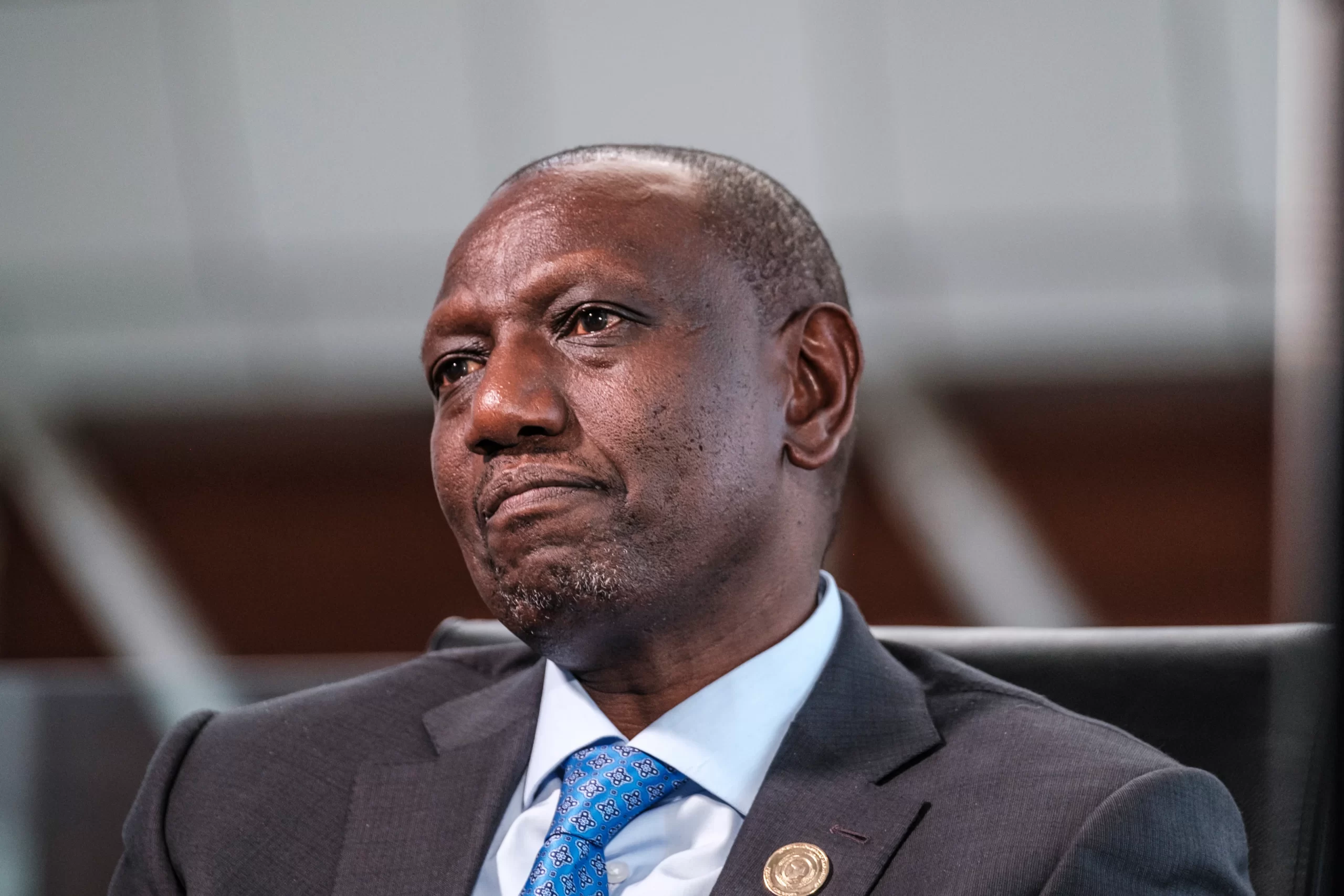
President William Ruto of Kenya has been met with growing criticism and mockery from citizens following the implementation of various tax hikes and the introduction of new levies since his election in August 2022.
Dubbed “Zakayo” by some Kenyans, a Swahili reference to Zacchaeus from the biblical narrative, the President faces backlash for measures seen as contradicting his promises to support financially struggling citizens, known as “hustlers.”
Acknowledging the public outcry, President Ruto defended the tax increases, citing the necessity to curb government borrowing and reduce the country’s mounting national debt, which had been largely inherited from past administrations.
However, these fiscal decisions have sparked widespread discontent among citizens who perceive the taxes as burdensome and primarily fueling government extravagance instead of improving public services.
The country’s Controller of Budget expressed concern over high taxes coupled with what was deemed “wasteful” government spending, particularly on domestic and international travel by officials. In response, budget cuts were announced, and foreign trips were scaled back.
Despite President Ruto justifying his numerous overseas trips as aimed at securing foreign investments and job opportunities for Kenyans, the private sector has suffered significant job losses and operational constraints. Reports from the Federation of Kenyan Employers indicated a staggering 70,000 job losses and warned of potential further declines.
Critics, including economist Ken Gichinga, argue that heavy taxation on profit-making entities has discouraged business growth, prompting some firms to relocate and others to operate informally to evade taxes.
Small and medium-sized businesses have felt the brunt of these tax increments. Mike Muriuki, a business owner in the gas distribution sector, highlighted the adverse impact on his operations, leading to layoffs and a drastic reduction in sales.
Moreover, the stringent approach of tax collectors, including paramilitary-style visits by the Kenya Revenue Authority (KRA), has intensified the apprehension among business owners. Instances of increased scrutiny on financial records and transactions have raised fears and prompted businesses to explore alternative payment methods to avoid detection.
The ripple effects extend beyond businesses, affecting sectors like tourism. Increased fees for national parks and a depreciating local currency have dampened the tourism industry, leading some operators to diversify or witness declining local tour activities.
While the government defends its initiatives, citing plans to boost international tourism and reports of sustained revenue growth, challenges such as reduced domestic demand for goods and services and constraints in fiscal disbursements for public projects persist.
As tensions rise amid economic strains, many Kenyans hope for a reconsideration of these tax policies, echoing the hope for relief akin to Zacchaeus’ change of heart after his encounter with Jesus.