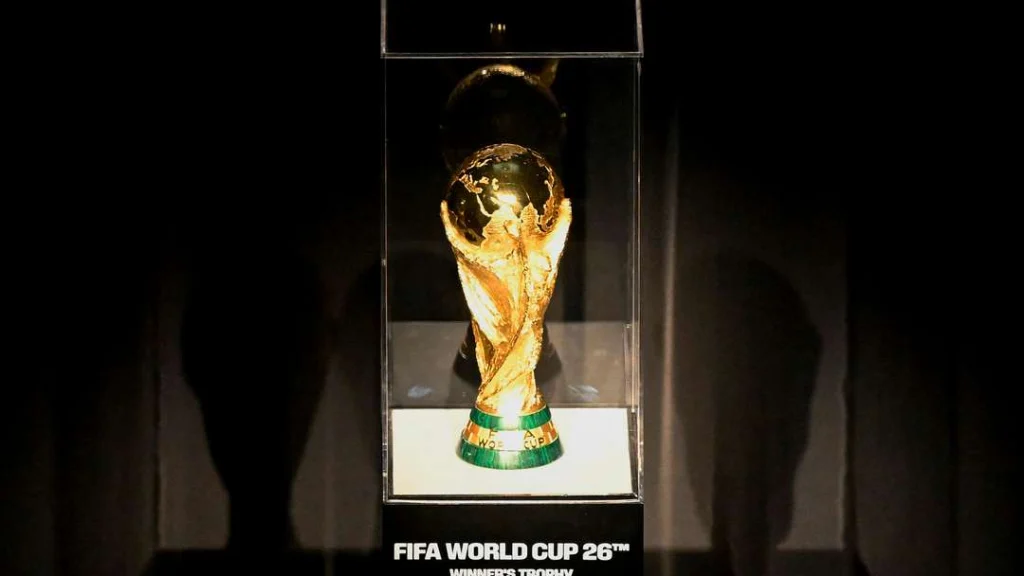
World Cup deadliest scorers are the players who turned football’s biggest international tournament into a stage for historic finishing. The FIFA World Cup is not built for easy scoring records. It comes once every four years, gives players limited matches and places every chance under intense pressure.
That is why the all-time scoring list carries so much weight. A striker can score hundreds of club goals and still fail to build a major World Cup record. A forward may be brilliant for his club but depend on a national team that struggles to create chances. Another player may have only one tournament at his peak and must make every minute count.
The best World Cup scorers solved that problem. They scored when chances were rare. They scored in front of global audiences. They scored in matches where one goal could decide a group, change a knockout tie or define a final.
As of the supplied 2026 data, Lionel Messi leads the list with 18 goals for Argentina. Kylian Mbappe and Miroslav Klose follow with 16 each. Ronaldo Nazario scored 15 for Brazil. Gerd Muller scored 14 for West Germany. Just Fontaine scored 13 for France in one tournament. Pele scored 12 for Brazil and remains the only player to win three World Cups.
The wider list includes Jurgen Klinsmann, Sandor Kocsis, Gabriel Batistuta, Teofilo Cubillas, Harry Kane, Grzegorz Lato, Gary Lineker, Thomas Muller, Helmut Rahn, Ademir, Roberto Baggio, Eusebio, Jairzinho, Paolo Rossi, Karl-Heinz Rummenigge, Uwe Seeler, Vava, Christian Vieri and David Villa.
These players were not identical. Some were classic number nines. Some were wide forwards. Some were creators who scored as much as they supplied. Some won the World Cup. Others never lifted the trophy but still became tournament legends because of their goals.
Why World Cup Finishing Is So Difficult
World Cup finishing is difficult because the tournament gives players little room for error. At club level, a striker can miss one weekend and score the next. At the World Cup, one missed chance in a knockout match can end a nation’s dream.
International football also brings different challenges. National teams do not train together every day. Passing patterns may not be as automatic as club football. Forwards often receive fewer clear chances, while defenders approach knockout matches with caution.
That is why this list is so respected. These players did not only score. They scored in a tournament where pressure is high, rhythm is hard to build and every chance matters.
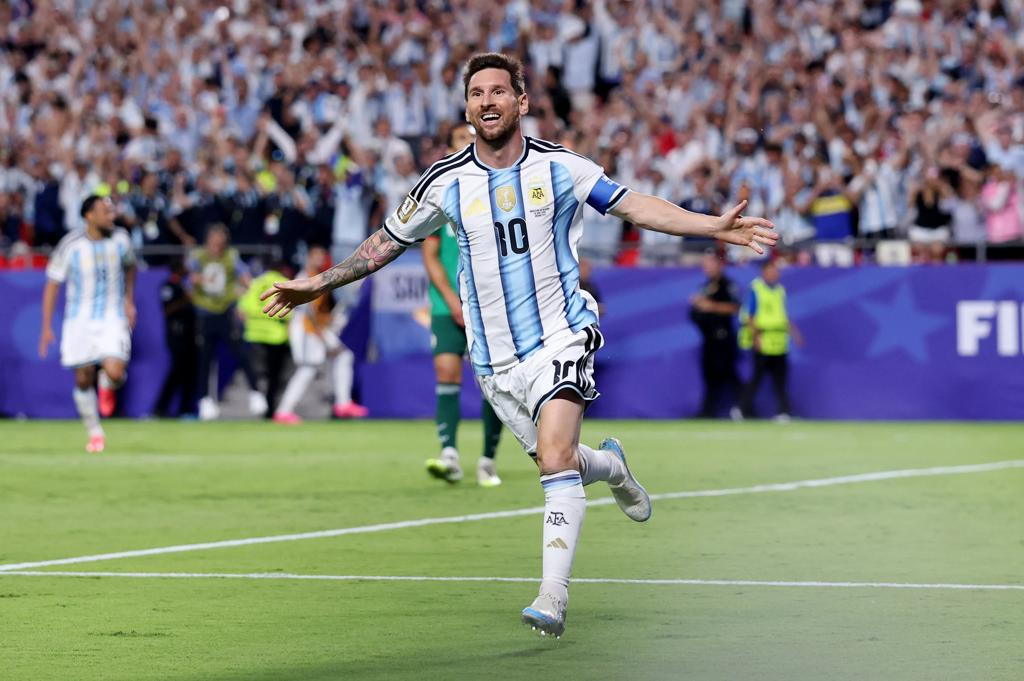
Lionel Messi: 18 Goals for Argentina
Lionel Messi leads the World Cup deadliest scorers list with 18 goals in 28 matches for Argentina. His record covers six tournaments: 2006, 2010, 2014, 2018, 2022 and 2026.
Messi’s record is remarkable because he was never simply a traditional striker. He played as a winger, false nine, second striker, number 10 and free attacking creator. For Argentina, he often had to build attacks and finish them.
His first World Cup goal came in 2006. He did not score in 2010, but he remained central to Argentina’s attack. In 2014, he scored four goals and helped Argentina reach the final. In 2018, he added another goal during a difficult campaign.
The defining chapter came in 2022, when Messi scored seven goals and captained Argentina to the title. In 2026, he moved to the top of the all-time chart after a hat-trick against Algeria and further goals against Austria.
Messi’s record is not only about finishing. It is about scoring while also creating, leading and controlling matches. That combination makes his World Cup legacy unique.
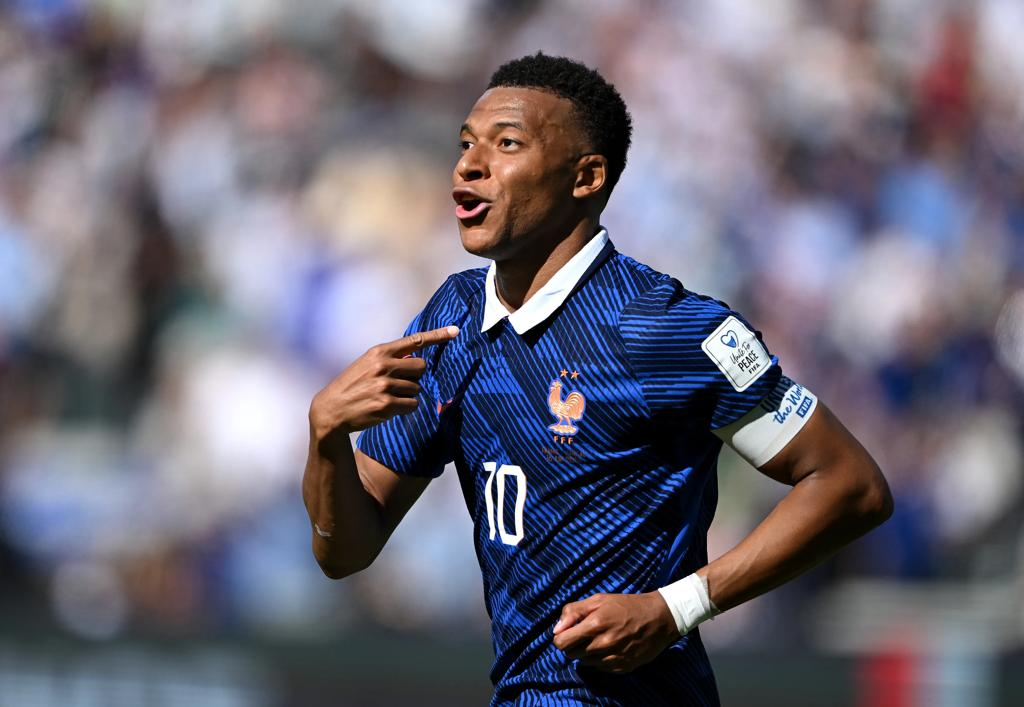
Kylian Mbappe: 16 Goals for France
Kylian Mbappe has scored 16 World Cup goals in 16 matches for France. His return makes him one of the most efficient modern scorers in tournament history.
Mbappe first made his mark in 2018, scoring four goals as France won the World Cup. His goal in the final against Croatia placed him in rare teenage company with Pele.
In 2022, he scored eight goals, won the Golden Boot and produced a hat-trick in the final against Argentina. France lost on penalties, but Mbappe’s performance remains one of the greatest individual displays in a World Cup final.
By 2026, Mbappe had reached 16 goals after braces against Senegal and Iraq. That placed him level with Miroslav Klose and close to Messi’s record.
Mbappe’s game is built on speed, timing and calm finishing. He can score from the left, through central runs, on counterattacks and from penalties. Because he remains active, he is the strongest challenger to the all-time record.
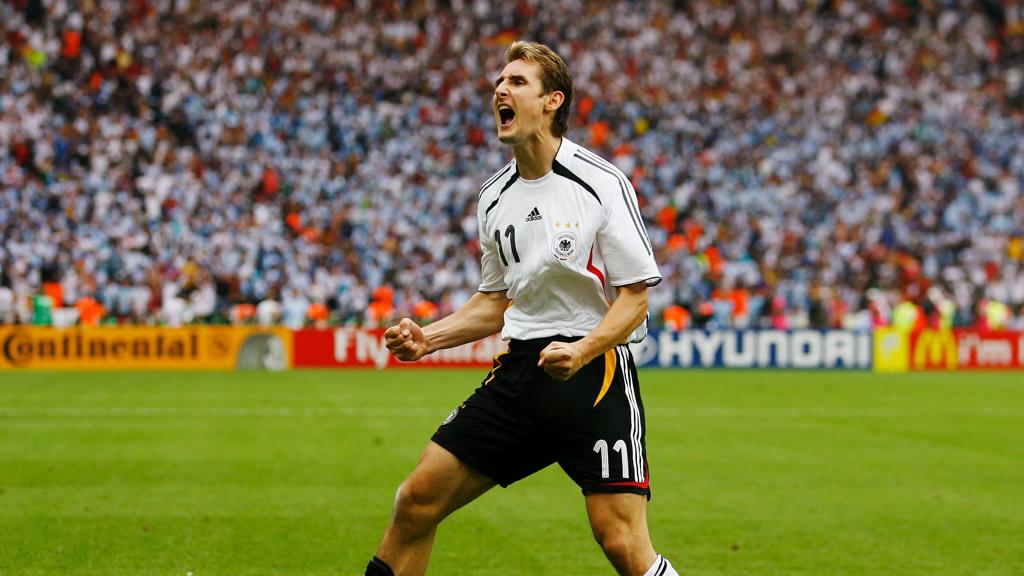
Miroslav Klose: 16 Goals for Germany
Miroslav Klose scored 16 World Cup goals in 24 matches for Germany. Before Messi moved ahead and Mbappe drew level, Klose was the tournament’s all-time leading scorer.
Klose played in four World Cups: 2002, 2006, 2010 and 2014. He scored five goals in 2002, five in 2006, four in 2010 and two in 2014. His final tournament ended with Germany winning the trophy in Brazil.
Klose’s strength was not flash. It was precision. He knew how to move inside the box, attack crosses and react before defenders could reset.
Many of his goals looked simple because his positioning was excellent. He made scoring look easy by doing the hard work before the ball arrived.
His 16 goals remain one of the strongest examples of consistency in World Cup history.
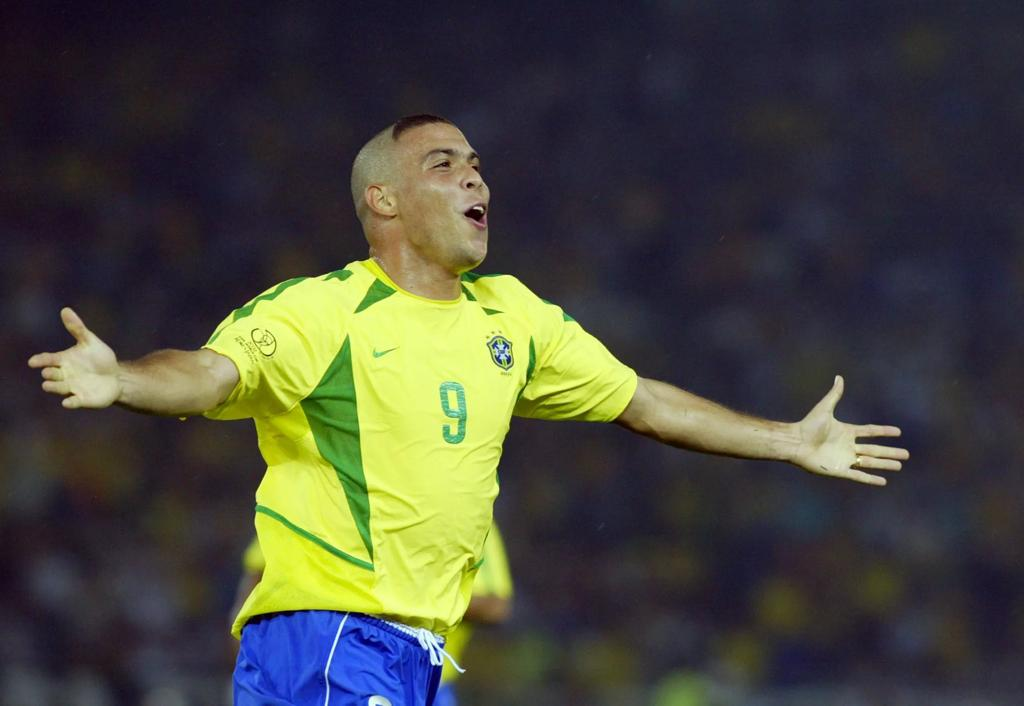
Ronaldo: 15 Goals for Brazil
Ronaldo Nazario scored 15 World Cup goals in 19 matches for Brazil across 1994, 1998, 2002 and 2006.
Ronaldo was part of Brazil’s 1994-winning squad as a teenager, although he did not score in that tournament. His first major scoring campaign came in 1998, when he scored four goals and helped Brazil reach the final.
His greatest World Cup came in 2002. After serious injuries threatened his career, Ronaldo returned to lead Brazil to the title. He scored eight goals, including both goals in the final against Germany.
In 2006, he added three more goals and became the World Cup’s all-time top scorer at that time.
Ronaldo’s record reflects explosive striker brilliance. At his peak, he combined speed, power, dribbling, balance and finishing. His goals were not only important; they made defenders look vulnerable.
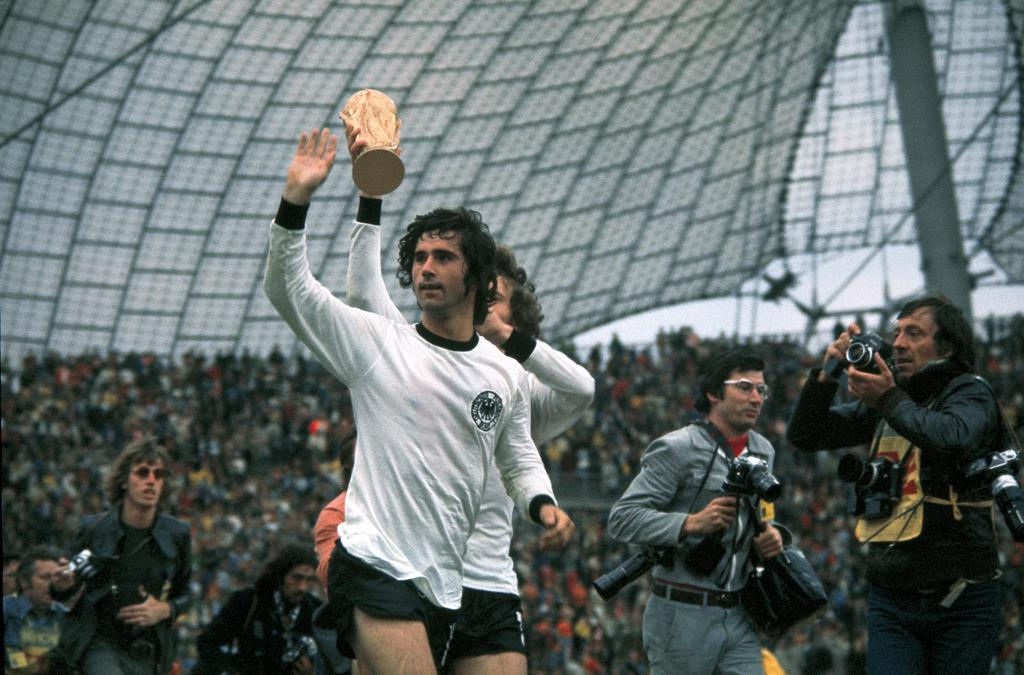
Gerd Muller: 14 Goals for West Germany
Gerd Muller scored 14 World Cup goals in only 13 matches for West Germany. His goals came across the 1970 and 1974 tournaments.
Muller scored 10 goals in 1970 and four more in 1974. His most important goal came in the 1974 final against the Netherlands, when West Germany won the trophy.
Muller was a penalty-box specialist. He did not need long runs or constant possession. His strength was instinct. He reacted quickly, turned sharply and finished from tight spaces.
Fourteen goals in 13 matches remains one of the greatest scoring rates in World Cup history. Muller is still one of the deadliest finishers the tournament has produced.
Just Fontaine: 13 Goals for France
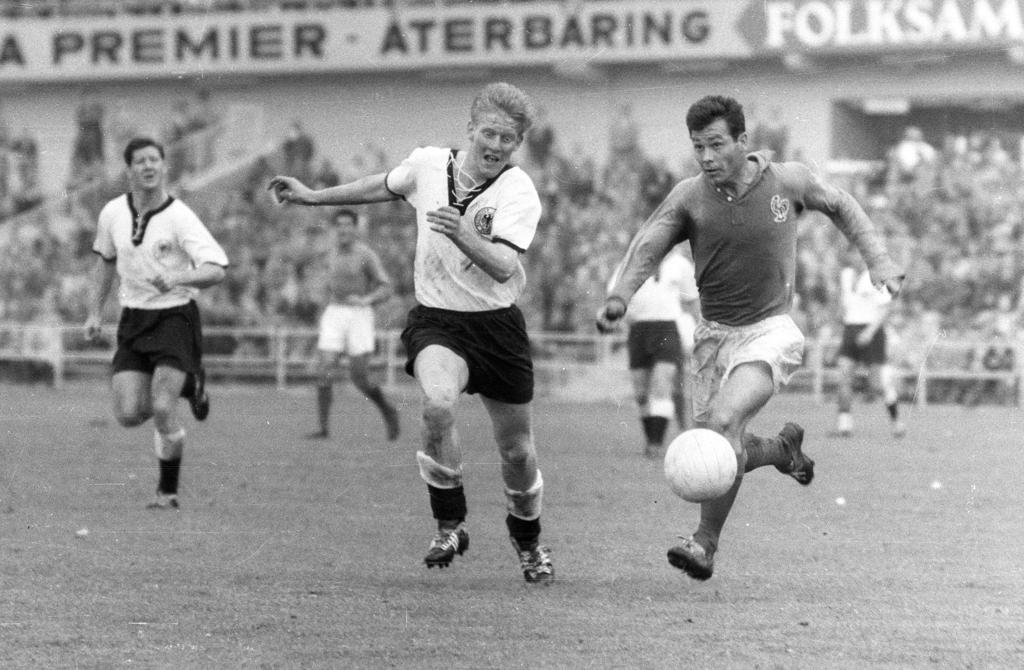
Just Fontaine scored 13 World Cup goals for France, all at the 1958 tournament.
Fontaine’s record remains the greatest single-tournament scoring achievement in World Cup history. He played only six matches and scored 13 times.
France did not win the tournament, but Fontaine became one of its permanent legends. His movement, confidence and finishing made him unstoppable during that campaign.
His achievement is special because it came in one edition. Many great scorers needed several tournaments to reach double figures. Fontaine did it in one month.
Pele: 12 Goals for Brazil
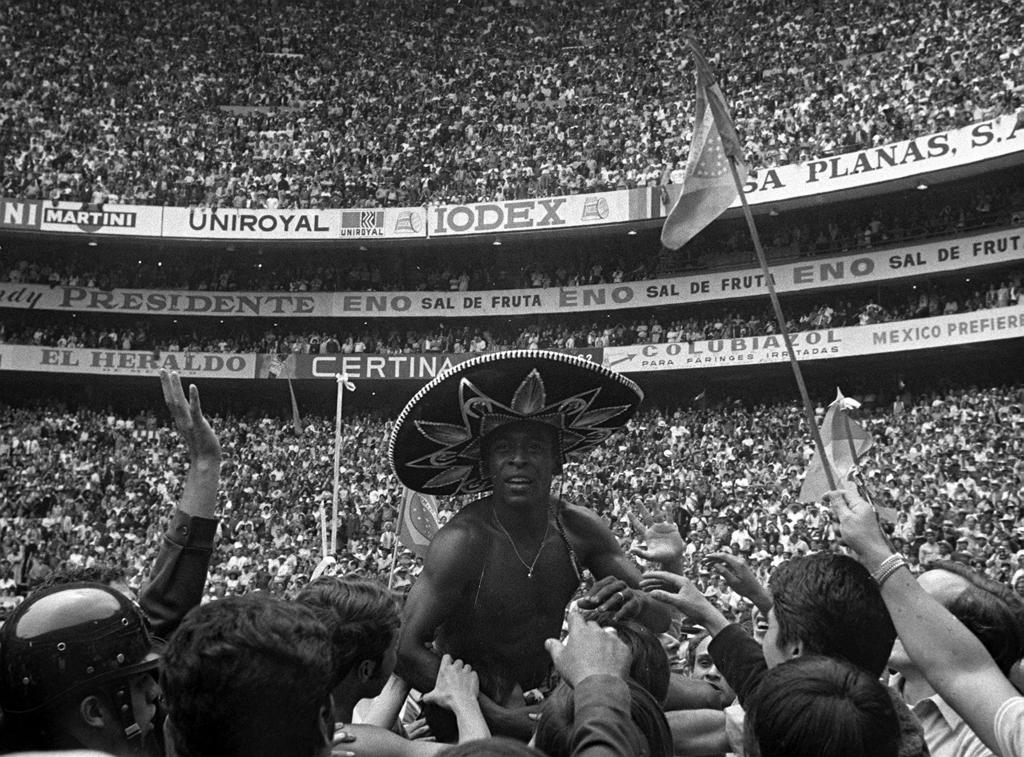
Pele scored 12 World Cup goals in 14 matches for Brazil across 1958, 1962, 1966 and 1970.
His World Cup journey began in 1958, when he was only 17. Pele scored six goals and helped Brazil win the tournament. In 1962, he scored once before injury limited his role, but Brazil still won. In 1970, he scored four goals as Brazil won another title.
Pele remains the only player to win three World Cups. That gives his scoring record a unique place in football history.
He was not only a scorer. Pele could create, pass, dribble, head and lead. His 12 goals are part of a wider legacy that helped define the World Cup itself.
Jurgen Klinsmann: 11 Goals for Germany
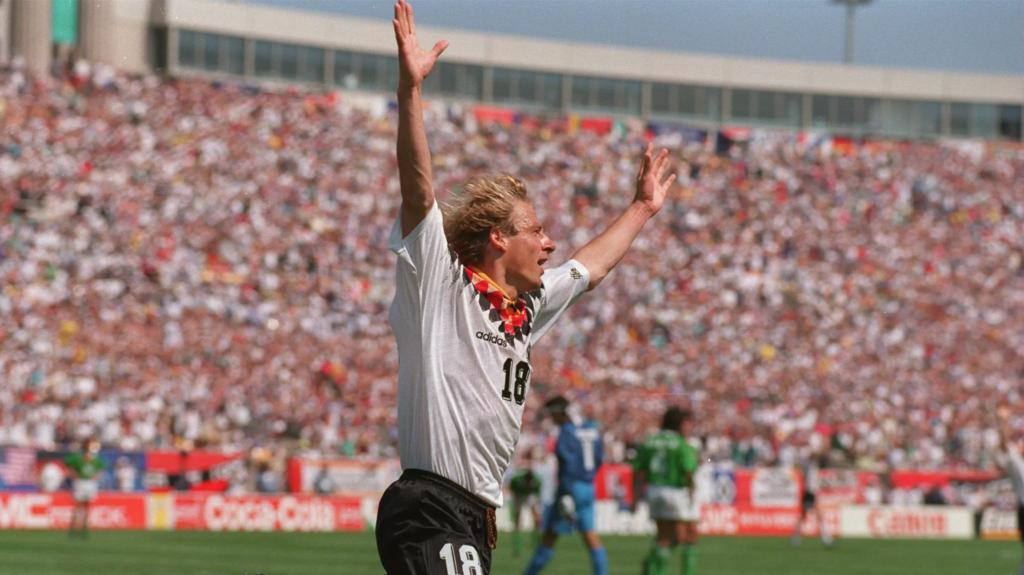
Jurgen Klinsmann scored 11 World Cup goals in 17 matches for West Germany and Germany across 1990, 1994 and 1998.
He scored three goals in 1990 as West Germany won the tournament, then added five in 1994 and three more in 1998.
Klinsmann was mobile, competitive and strong in the air. He attacked crosses, pressed defenders and made direct runs into scoring areas.
His record shows strong consistency across three tournaments and confirms him as one of Germany’s most reliable World Cup forwards.
Sandor Kocsis: 11 Goals for Hungary
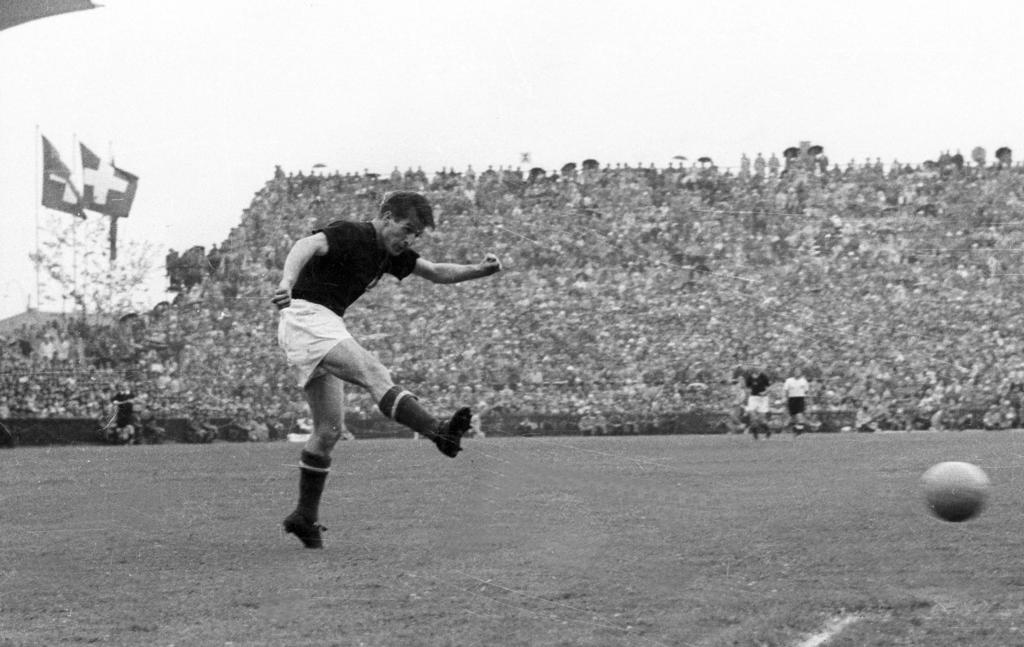
Sandor Kocsis scored 11 World Cup goals in only five matches for Hungary in 1954.
Kocsis played for Hungary’s famous Magical Magyars, one of the most influential attacking teams in football history. Hungary reached the final before losing to West Germany in the Miracle of Bern.
Kocsis was especially strong in the air, but his movement and timing were just as important. His 11 goals in five matches remain one of the most efficient records in World Cup history.
Like Fontaine, Kocsis proves that one extraordinary tournament can secure a permanent place in football history.
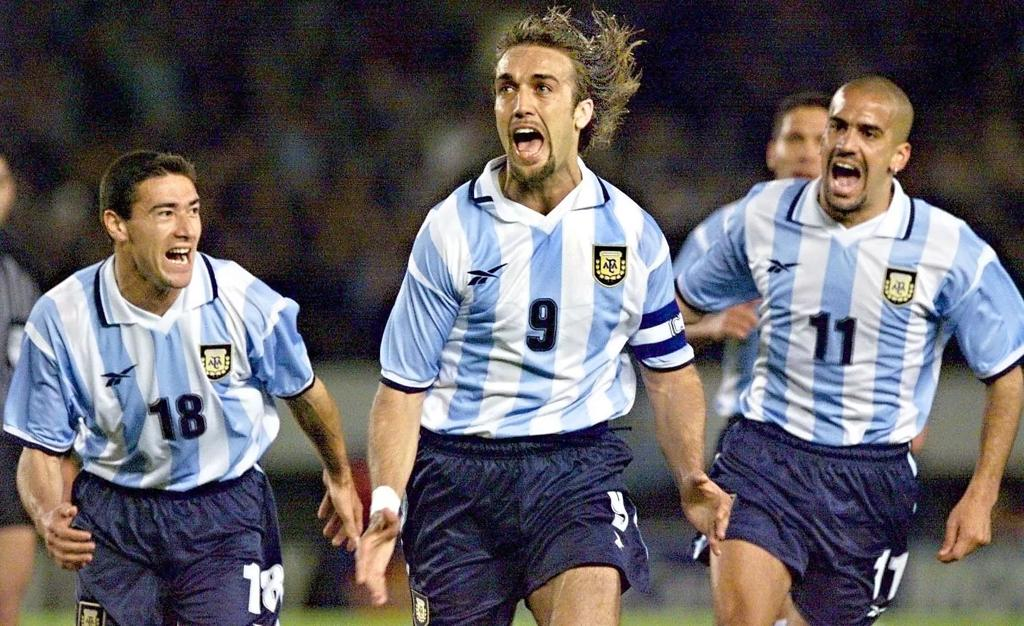
Gabriel Batistuta: 10 Goals for Argentina
Gabriel Batistuta scored 10 World Cup goals in 12 matches for Argentina across 1994, 1998 and 2002.
Batistuta was a classic centre-forward. He had power, confidence and a fierce shot. His role was clear: finish attacks and punish defenders near goal.
He scored four goals in 1994, five in 1998 and one in 2002. Before Messi moved far ahead, Batistuta was Argentina’s major World Cup scoring reference.
Ten goals in 12 matches remains an elite return and keeps him among Argentina’s greatest tournament forwards.
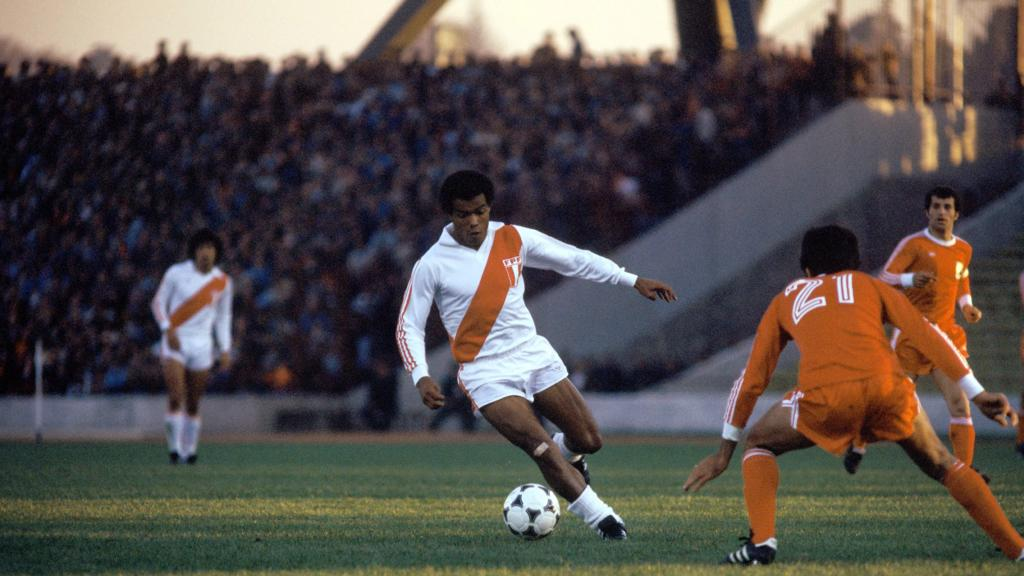
Teofilo Cubillas: 10 Goals for Peru
Teofilo Cubillas scored 10 World Cup goals in 13 matches for Peru across 1970, 1978 and 1982.
Cubillas is one of Peru’s greatest footballers and one of South America’s finest World Cup performers. He scored five goals in 1970 and five more in 1978.
His record stands out because Peru were not regular semi-final or final contenders. He reached double figures without the extra matches often available to players from stronger football nations.
Cubillas was technical, elegant and creative. His goals gave Peru a permanent place in World Cup scoring history.
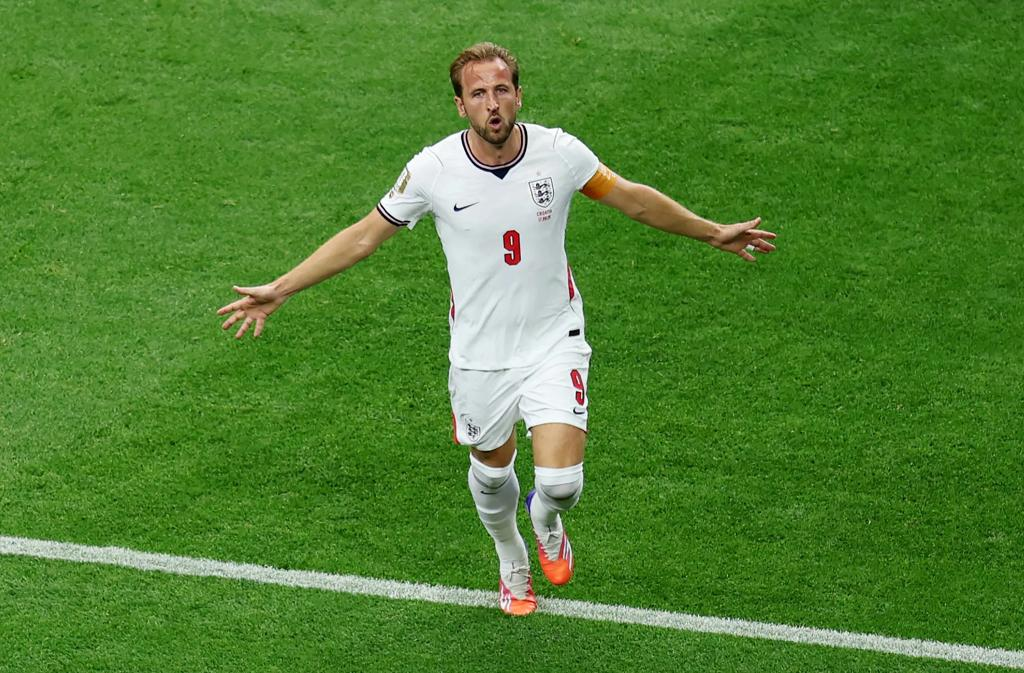
Harry Kane: 10 Goals for England
Harry Kane has scored 10 World Cup goals in 12 matches for England across 2018, 2022 and 2026.
Kane made his major impact in 2018, scoring six goals and winning the Golden Boot. England reached the semi-finals, and Kane became the focal point of their attack.
He added two goals in 2022 and two more in 2026.
Kane is a modern striker who can score penalties, finish inside the box, drop deep and create for teammates. His record places him among England’s greatest World Cup scorers.
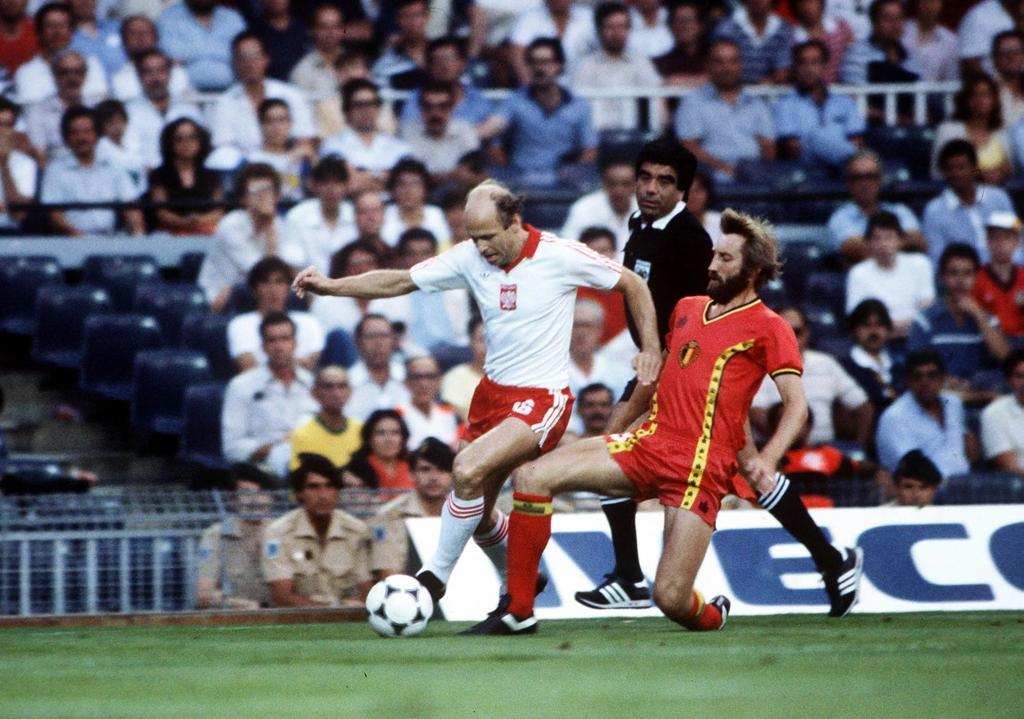
Grzegorz Lato: 10 Goals for Poland
Grzegorz Lato scored 10 World Cup goals in 20 matches for Poland across 1974, 1978 and 1982.
Lato’s best tournament came in 1974, when he scored seven goals and finished as the tournament’s top scorer. Poland were one of the strongest teams in that edition, and Lato was central to their attacking threat.
He added two goals in 1978 and one more in 1982. His record shows that his impact lasted across multiple tournaments.
Lato’s speed, movement and finishing made him one of Poland’s greatest World Cup players.
Gary Lineker: 10 Goals for England
Gary Lineker scored 10 World Cup goals in 12 matches for England across 1986 and 1990.
Lineker won the Golden Shoe in 1986 after scoring six goals. He added four more in 1990 as England reached the semi-finals.
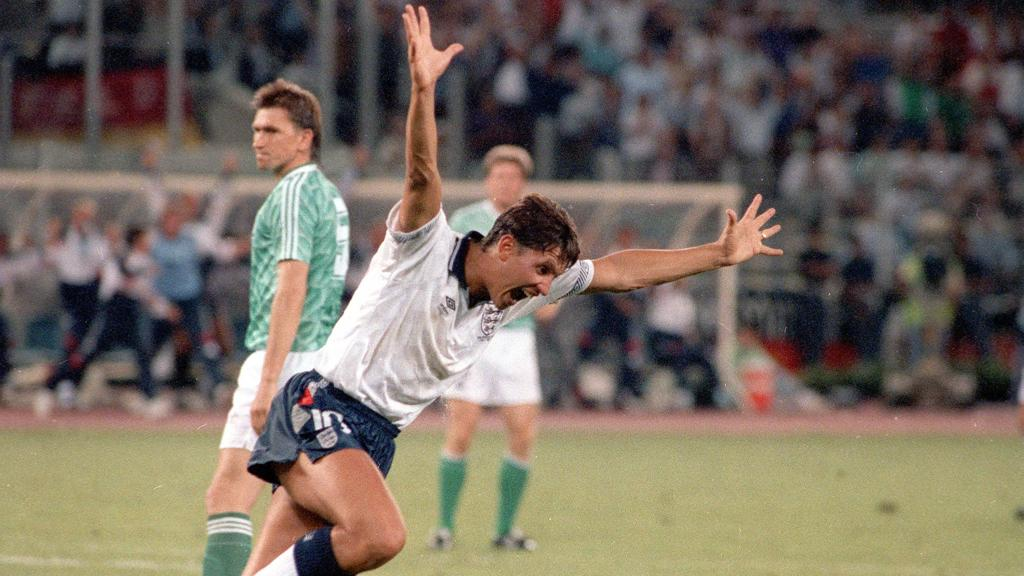
His equaliser against West Germany in 1990 remains one of England’s famous World Cup goals.
Lineker was a penalty-box specialist. He relied on timing, movement and calm finishing rather than power. His record remains one of England’s most efficient at the tournament.
Thomas Muller: 10 Goals for Germany
Thomas Muller scored 10 World Cup goals in 19 matches for Germany across 2010, 2014, 2018 and 2022.
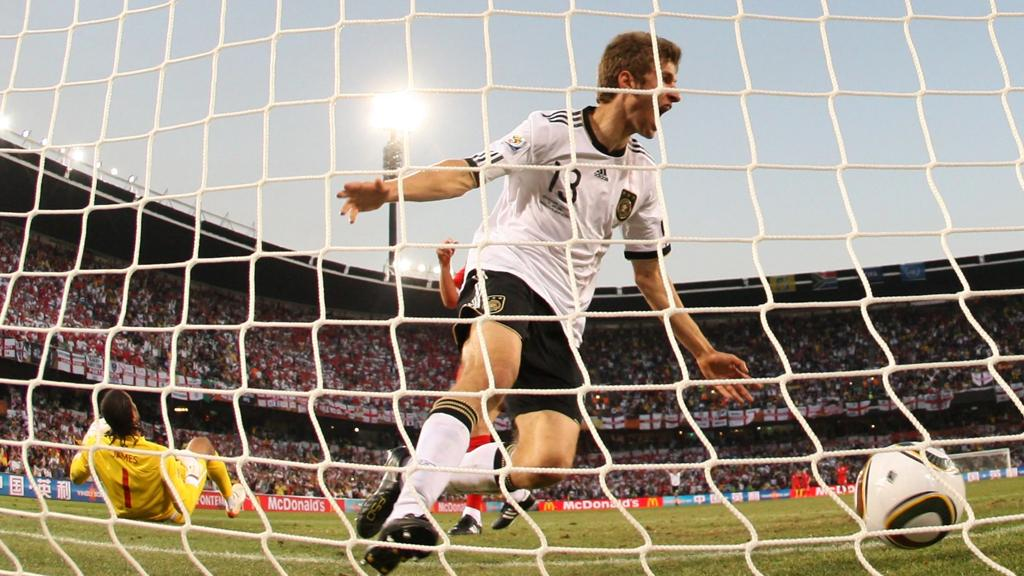
Muller scored five goals in 2010 and won the Golden Boot. He added five more in 2014 as Germany won the World Cup.
He was not a traditional striker. Muller was a master of space. He appeared in areas defenders failed to track and scored through timing, awareness and positioning.
His record proves that intelligence can be as important as pace or power in World Cup scoring.
Helmut Rahn: 10 Goals for West Germany
Helmut Rahn scored 10 World Cup goals in 10 matches for West Germany across 1954 and 1958.
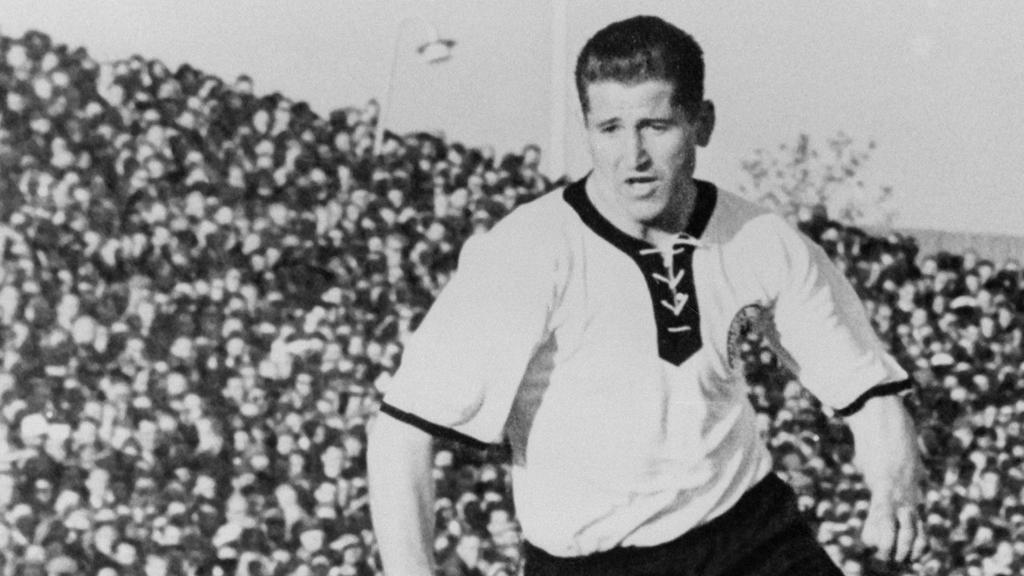
His most famous goal came in the 1954 final against Hungary. Rahn scored the winner that completed the Miracle of Bern and gave West Germany its first World Cup title.
He scored four goals in 1954 and six more in 1958. His goal-per-game record is exceptional.
Rahn’s legacy is built on both scoring frequency and one unforgettable final-winning moment.
Ademir: Nine Goals for Brazil
Ademir scored nine World Cup goals in six matches for Brazil at the 1950 tournament.
He was the top scorer of that edition and one of Brazil’s earliest major World Cup forwards. His goals helped Brazil reach the decisive final match on home soil.
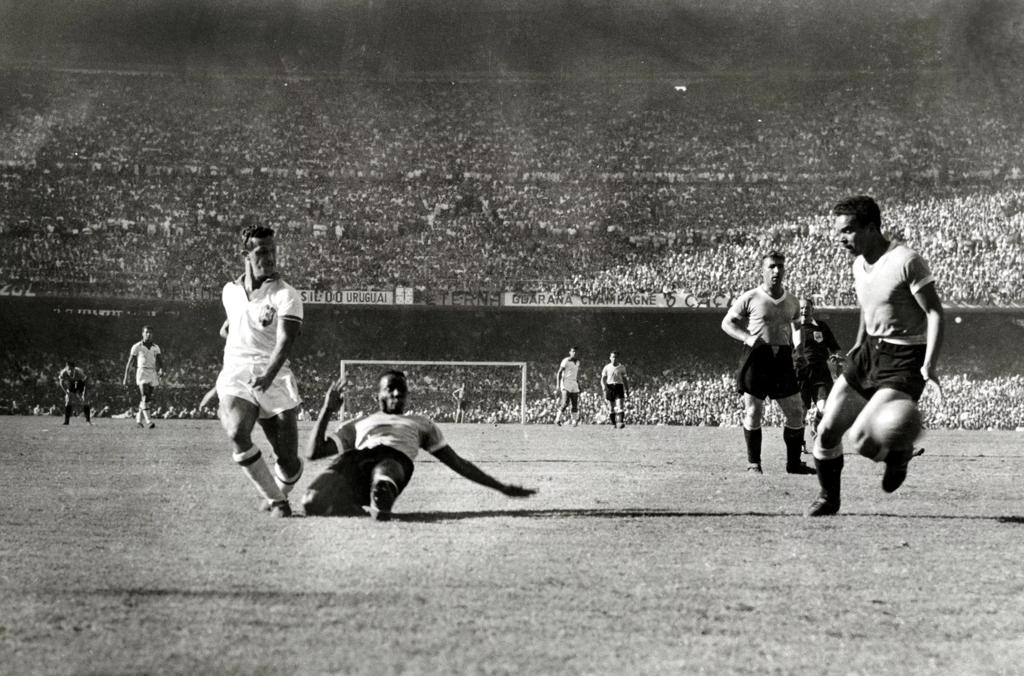
Brazil’s campaign ended painfully against Uruguay at the Maracana, but Ademir’s personal record remained outstanding.
Nine goals in six matches made him one of Brazil’s first major World Cup scoring icons.
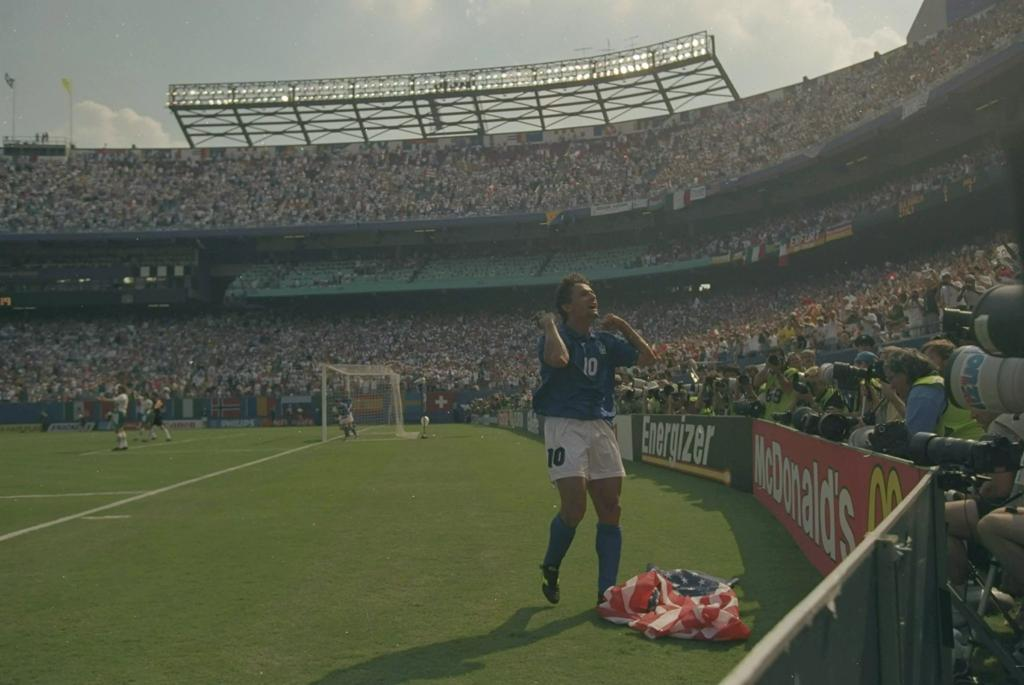
Roberto Baggio: Nine Goals for Italy
Roberto Baggio scored nine World Cup goals in 16 matches for Italy across 1990, 1994 and 1998.
Baggio was a creative forward rather than a traditional striker. He could dribble, pass, create and finish. His defining tournament came in 1994, when he carried Italy through the knockout rounds with decisive goals against Nigeria, Spain and Bulgaria.
The final is often remembered for his missed penalty against Brazil, but Italy reached that stage largely because of Baggio’s brilliance.
Baggio’s nine goals show that creative attackers can also become elite World Cup scorers.
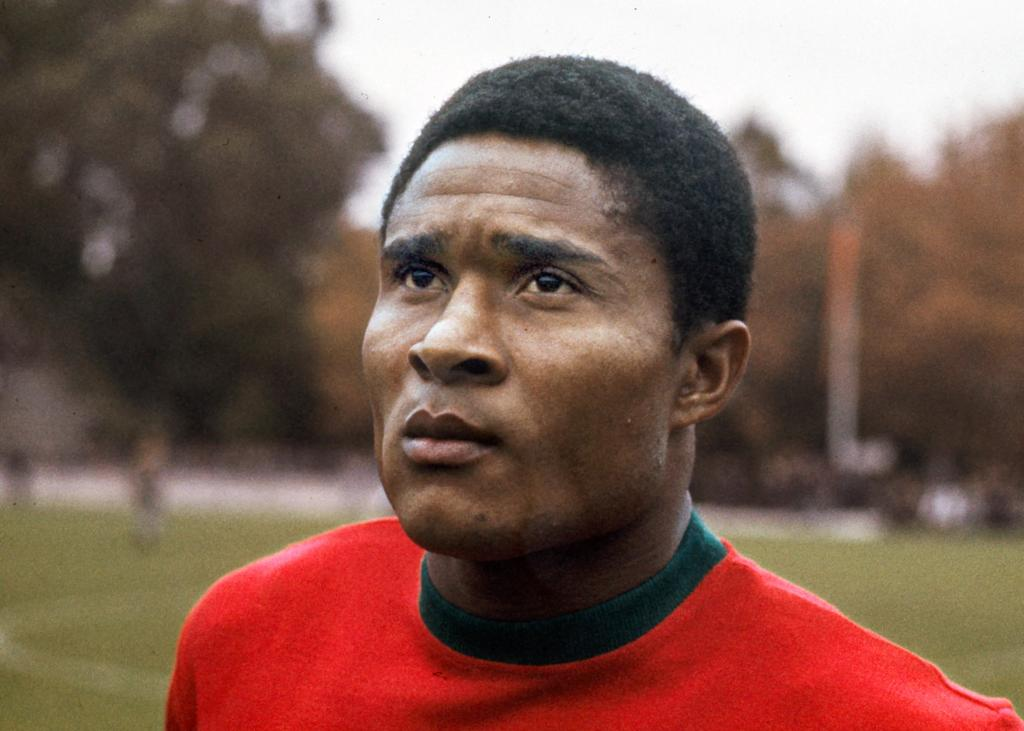
Eusebio: Nine Goals for Portugal
Eusebio scored nine World Cup goals in six matches for Portugal at the 1966 tournament.
Portugal were appearing at the World Cup for the first time, and Eusebio turned them into one of the competition’s biggest stories. He had pace, power and a fierce shot.
His most famous performance came against North Korea, when Portugal came from 3-0 down and Eusebio scored four goals.
Portugal finished third, and Eusebio finished as the tournament’s top scorer. His 1966 campaign remains one of the greatest single-tournament performances in World Cup history.
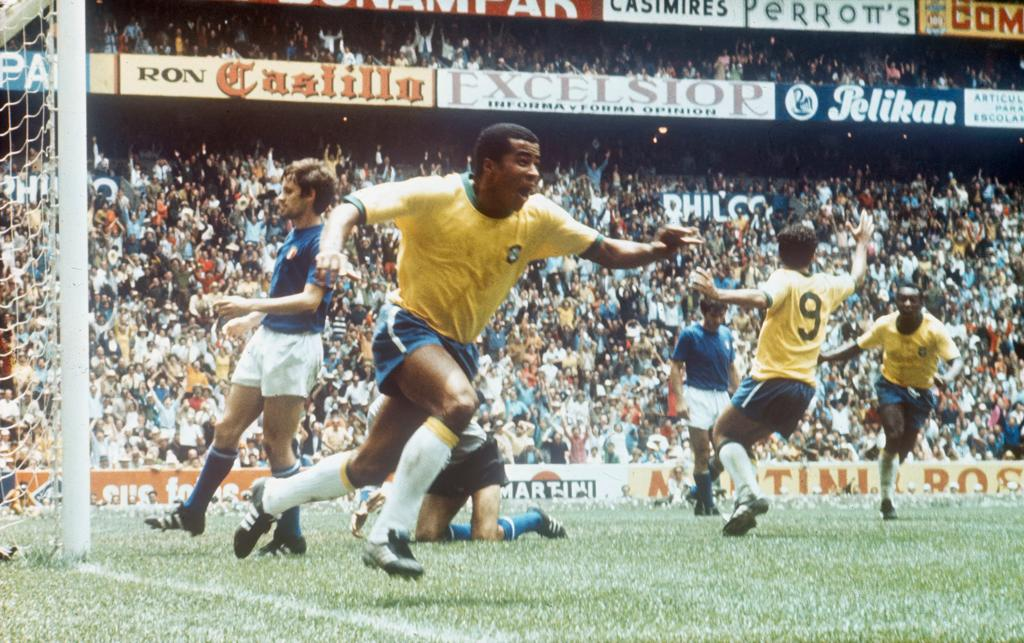
Jairzinho: Nine Goals for Brazil
Jairzinho scored nine World Cup goals in 16 matches for Brazil across 1966, 1970 and 1974.
His greatest tournament came in 1970, when he scored in every match as Brazil won the World Cup. That remains one of the rarest scoring achievements in tournament history.
Jairzinho was a wide forward rather than a classic striker. He brought pace, power and direct running to one of the greatest teams ever assembled.
His record proves that wide attackers can be just as decisive as central forwards.
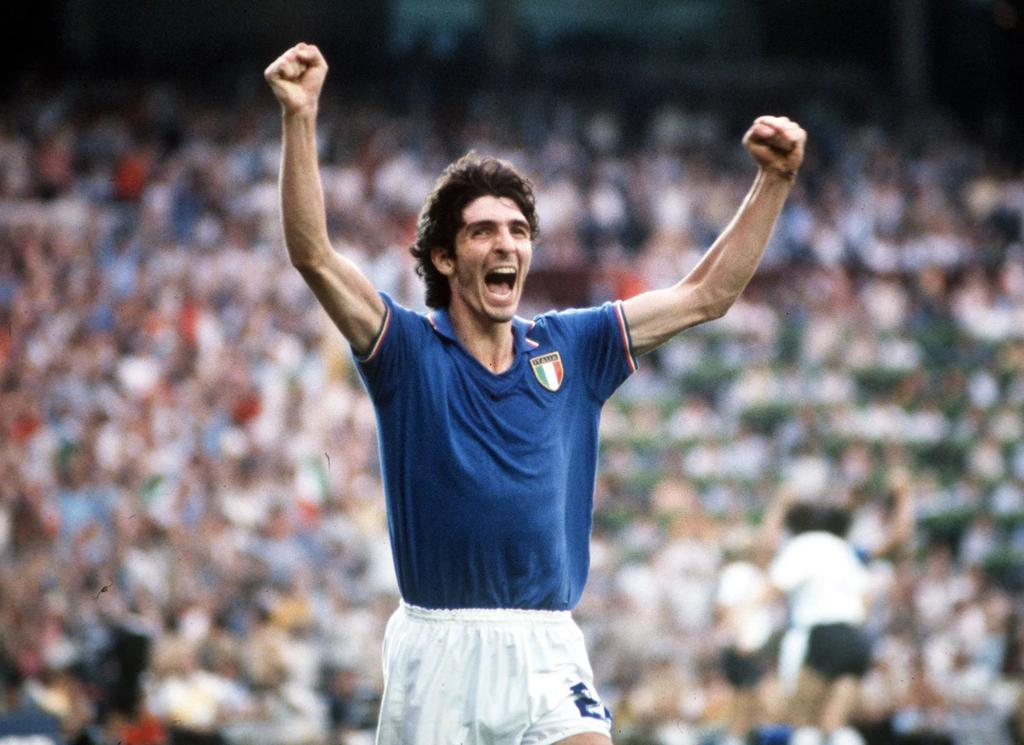
Paolo Rossi: Nine Goals for Italy
Paolo Rossi scored nine World Cup goals in 14 matches for Italy across 1978 and 1982.
Rossi’s legacy is built around the 1982 tournament. After a quiet start, he became decisive in the knockout rounds. His hat-trick against Brazil is one of the most famous World Cup performances ever.
He then scored twice against Poland in the semi-final and opened the scoring in the final against West Germany. Italy won the trophy, and Rossi became the face of the triumph.
His goals mattered because many came when the tournament was being decided.
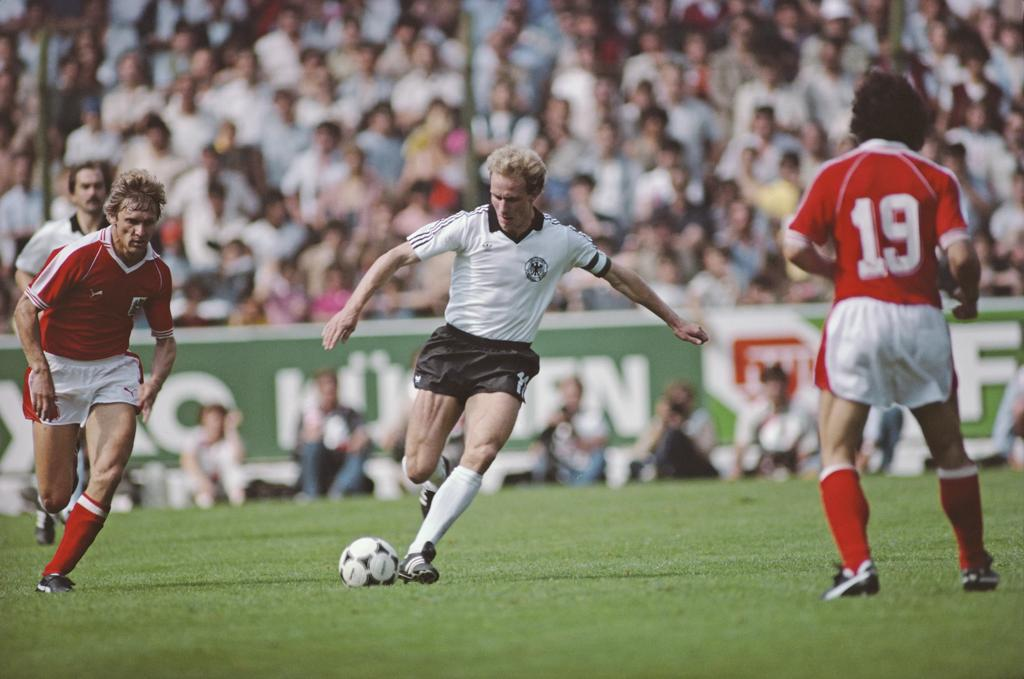
Karl-Heinz Rummenigge: Nine Goals for West Germany
Karl-Heinz Rummenigge scored nine World Cup goals in 19 matches for West Germany across 1978, 1982 and 1986.
Rummenigge was one of Europe’s leading forwards of his era. He combined technique, movement and finishing. He could play as a striker or attacking midfielder.
His best scoring tournament came in 1982, when he scored five goals and helped West Germany reach the final. He also scored three in 1978 and one in 1986.
His nine goals reflect sustained quality across three tournaments.
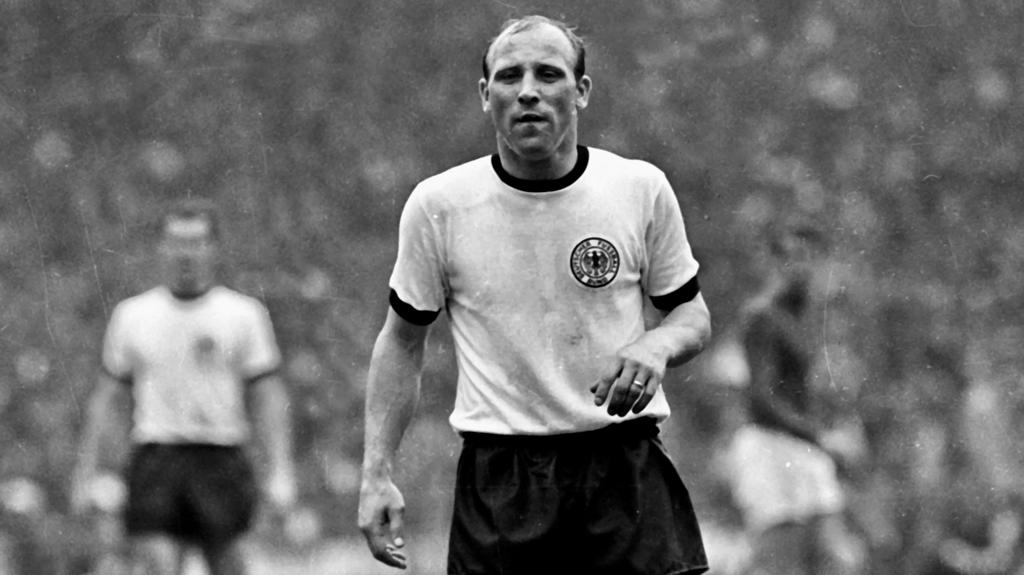
Uwe Seeler: Nine Goals for West Germany
Uwe Seeler scored nine World Cup goals in 21 matches for West Germany across 1958, 1962, 1966 and 1970.
Seeler’s record is built on longevity. Playing in four World Cups is rare. Scoring across such a long span shows unusual reliability.
He was a respected forward with heading ability, strength and leadership. His nine goals represent durability and long-term excellence.
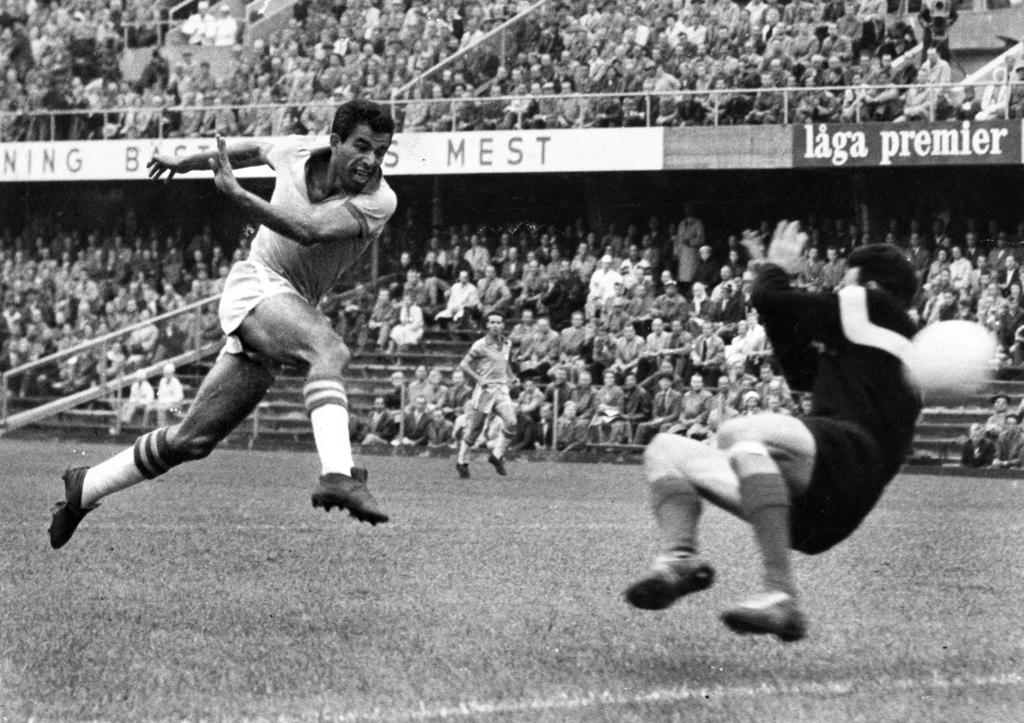
Vava: Nine Goals for Brazil
Vava scored nine World Cup goals in 10 matches for Brazil across 1958 and 1962.
He was a key striker in Brazil’s back-to-back World Cup-winning teams. In 1958, he scored five goals, including two in the final against Sweden. In 1962, he added four more as Brazil won again.
Vava played alongside Pele and Garrincha, but his own contribution was vital. Nine goals in 10 matches is an excellent World Cup return.
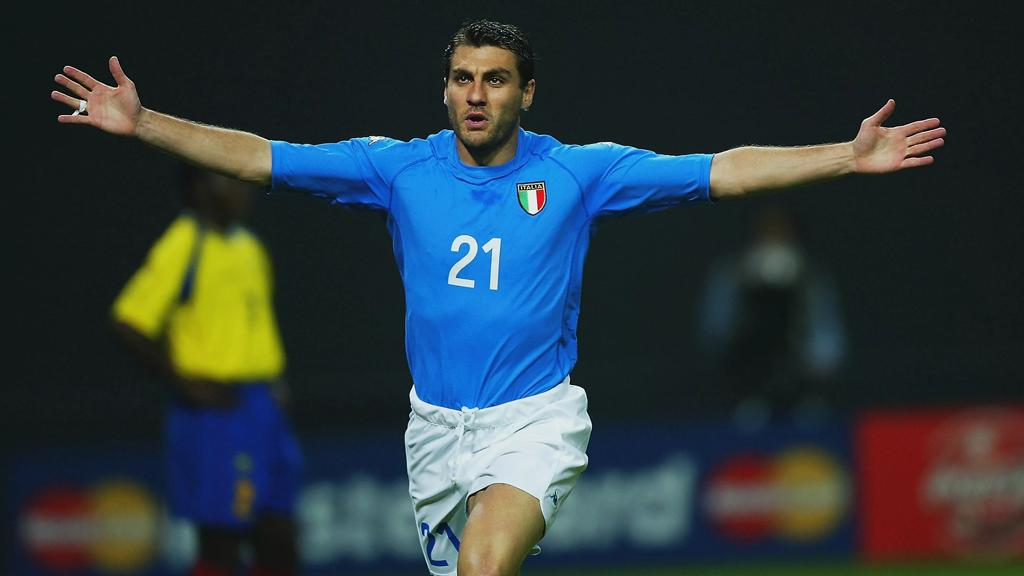
Christian Vieri: Nine Goals for Italy
Christian Vieri scored nine World Cup goals in nine matches for Italy across 1998 and 2002.
His goal-per-game record is one of the strongest among modern World Cup strikers. He scored five goals in 1998 and four more in 2002, even though Italy did not reach the final in either tournament.
Vieri was a powerful number nine with strong left-footed finishing. His record shows how dangerous he was whenever Italy created chances.
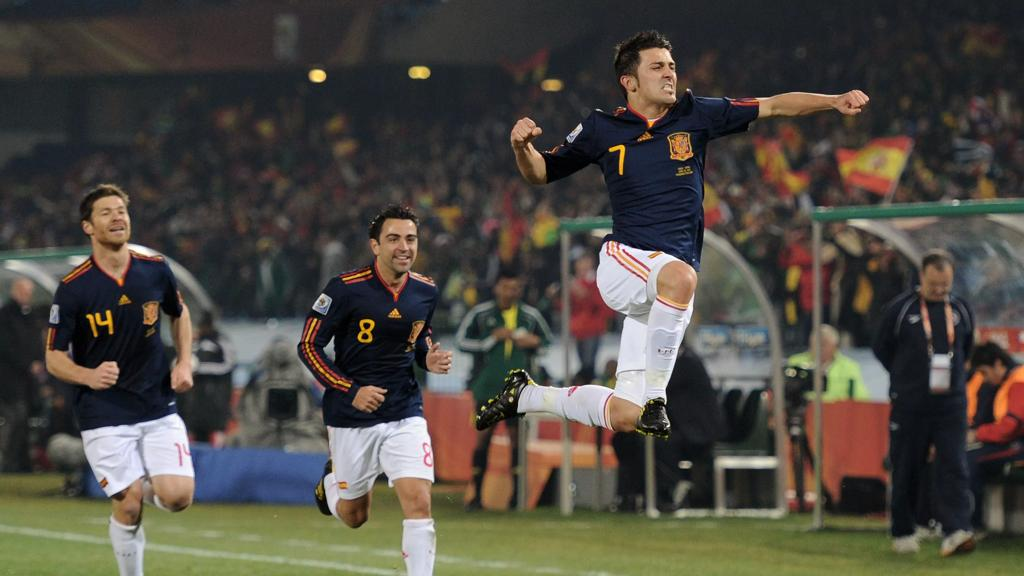
David Villa: Nine Goals for Spain
David Villa scored nine World Cup goals in 12 matches for Spain across 2006, 2010 and 2014.
Villa is Spain’s leading World Cup scorer and one of the most important players in the country’s golden generation. His biggest tournament came in 2010, when Spain won the World Cup.
Spain controlled matches through possession, but Villa provided the finishing. His nine goals helped turn Spain’s midfield dominance into world-title success.
What the World Cup Deadliest Scorers List Shows
The World Cup deadliest scorers list shows that tournament finishing can come from many different profiles.
Messi reached the top as a scoring creator. Mbappe is chasing the record with speed and directness. Klose built his legacy through consistency. Ronaldo brought explosive striker brilliance. Muller mastered the penalty area. Fontaine produced the greatest single-tournament record. Pele combined goals with unmatched titles.
Batistuta and Vieri were power strikers. Lineker and Rossi were instinctive finishers. Baggio and Cubillas were creative scorers. Jairzinho showed that wide forwards can dominate. Villa supplied Spain’s cutting edge. Kane represents the modern striker who can link play and score.
The common thread is not position or style. It is the ability to stay calm and finish when the pressure is highest.
Conclusion
World Cup deadliest scorers are players who turned limited chances into lasting football history. The FIFA World Cup is short, intense and unforgiving, which makes every goal valuable.
Lionel Messi leads the all-time list with 18 goals for Argentina. Kylian Mbappe and Miroslav Klose follow with 16 each. Ronaldo, Gerd Muller, Just Fontaine and Pele remain among the greatest scorers in tournament history.
The full list also includes Jurgen Klinsmann, Sandor Kocsis, Gabriel Batistuta, Teofilo Cubillas, Harry Kane, Grzegorz Lato, Gary Lineker, Thomas Muller, Helmut Rahn, Ademir, Roberto Baggio, Eusebio, Jairzinho, Paolo Rossi, Karl-Heinz Rummenigge, Uwe Seeler, Vava, Christian Vieri and David Villa.
Some scored in finals. Some won Golden Boots. Some carried nations that fell short. Some became champions. Together, they form the scoring story of the World Cup.
Records may change in future tournaments, especially with Mbappe still close to the top. But every player on this list has already secured a place in football history by scoring on the world’s biggest stage.
Source: Nyongesa Sande