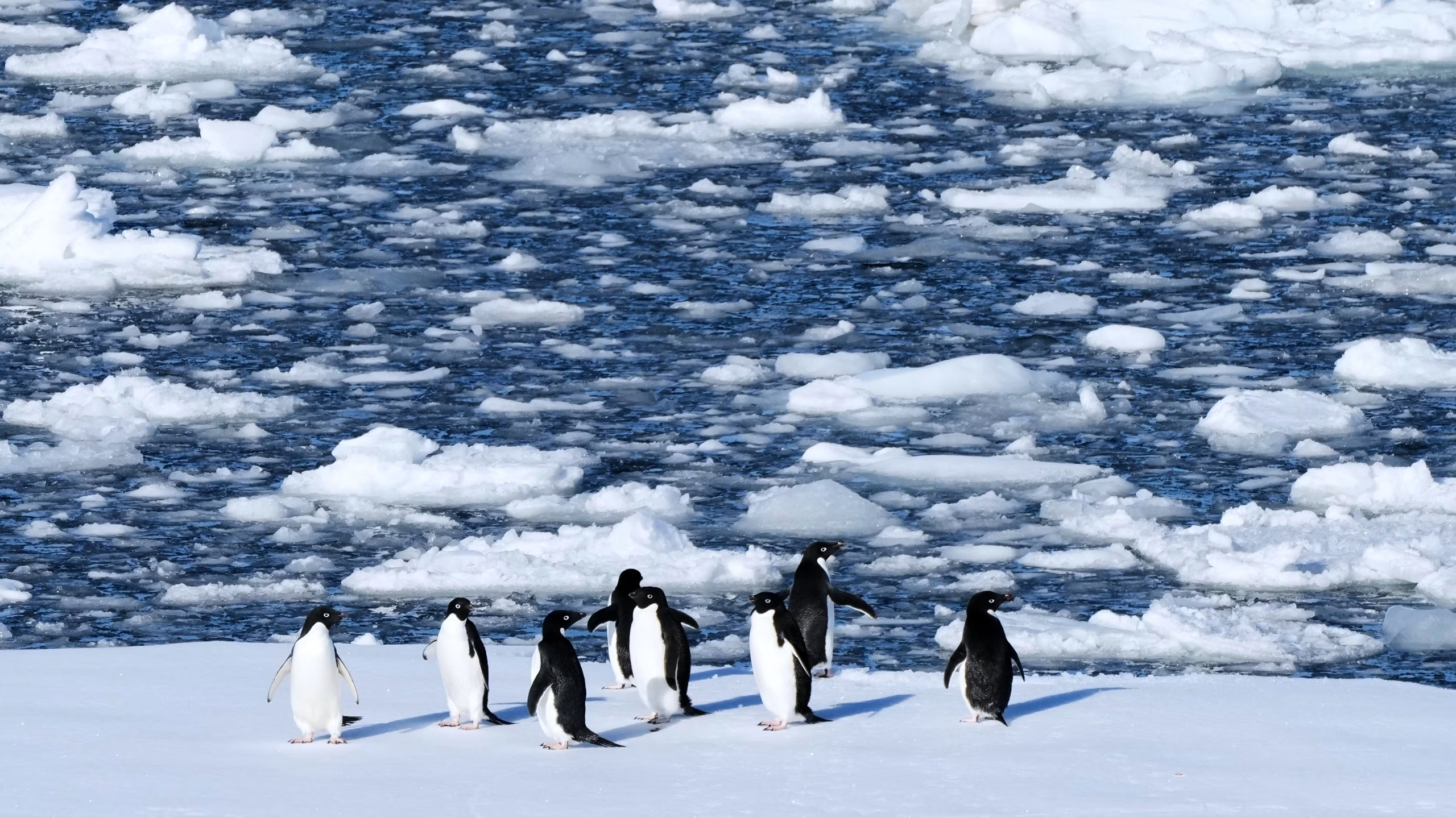
Scientists are raising significant concern after a decade-long study reveals Antarctic penguins are advancing their breeding seasons at an unprecedented rate, a likely response to rapid climate change.
The research, led by Penguin Watch, shows Gentoo penguins have moved their breeding season forward by an average of 13 days per decade—the fastest shift ever recorded in any bird. In some colonies, breeding starts 24 days earlier. Adélie and Chinstrap penguins also advanced by about 10 days on average.
The study, which monitored 35 colonies with time-lapse cameras, links this dramatic shift to the Antarctic Peninsula warming up to four times faster than the regional average. However, researchers warn that these changes may not be a successful adaptation.
Why Scientists Are Worried:
- Winners and Losers: The shift favours “generalist” species like Gentoo penguins over “polar specialists” like Adélies and Chinstraps, threatening biodiversity.
- Ecosystem Risk: Penguins are key to the Antarctic food web. Losing species diversity increases the risk of a broader ecosystem collapse.
- Food Chain Disruption: Changing breeding times can misalign with the availability of crucial food sources like krill and fish, leading to starvation. A related 2025 study attributed around 62,000 African penguin deaths over seven years to severe food shortages caused by changing ocean conditions.
- Adaptation Limits: It’s unclear how much more “elasticity” penguins have. If warming continues, they may reach a biological breaking point.
Lead author Dr. Ignacio Juarez Martínez emphasizes the high stakes, stating the increasingly subpolar conditions risk polar specialists. The study serves as a stark indicator of how rapidly climate change is disrupting foundational Antarctic ecosystems.