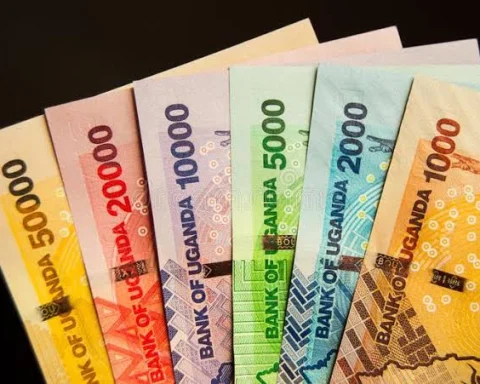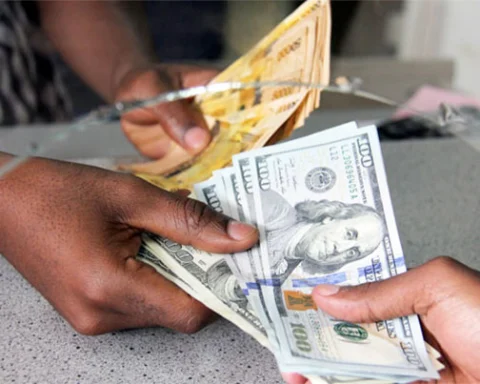

You can receive money from abroad in Uganda through a mobile money wallet, a bank account or an authorised cash-pickup service. The available options depend on the sender’s country, the transfer provider and your preferred way of accessing the funds.
Before the sender pays, confirm the receiving method, your registered name, the correct account or telephone number and the amount you should receive after conversion and charges. Use an authorised service and verify receipt in your own account or at the collection agent.
A transfer advertised as having no receiving fee can still involve sender charges, an exchange-rate margin or cash-withdrawal costs.
Main Ways to Receive Money in Uganda
| Method | What you need | What to compare |
|---|---|---|
| Mobile money | An active, registered wallet supported by the provider | Network, limits, exchange rate and withdrawal costs |
| Bank transfer | Correct beneficiary and bank instructions | Incoming fees, currency, processing and intermediary deductions |
| Cash pickup | Accepted identification and transfer details | Collection location, hours, currency and identification requirements |
| Another supported wallet | An eligible, registered account | Provider coverage, access and charges |
Not every service supports every country or receiving method.
Ask the sender to check the actual options available for Uganda before completing the payment.
1. Choose the Receiving Method First
Start with how you intend to use the money.
For example:
- Mobile money may suit everyday payments.
- A bank account may suit larger receipts or documented business payments.
- Cash pickup may help someone without a suitable wallet or account.
- A supported foreign-currency account may suit an eligible payment you need to retain in that currency.
Consider accessibility as well as price. A cash-pickup service is less useful if the nearest participating agent is difficult to reach.
For a large transfer, confirm limits and required documents before the sender commits.
2. Receive Money Through MTN MoMo
MTN supports international receipts through participating transfer partners.
What the recipient should do
- Confirm that your MTN MoMo account is registered and active.
- Give the sender your name as registered and the correct number.
- Confirm that their chosen provider supports payment to MTN MoMo Uganda.
- Check applicable wallet and transaction limits.
- Verify the credit in your wallet after sending.
MTN states that international receipts are credited in Uganda shillings and that it does not charge a receiving fee for the service.
This does not mean the entire transfer is free. The sender’s provider may charge a fee or apply an exchange-rate margin, and withdrawing the money can incur separate costs.
If the sender uses international number format, a Ugandan number beginning 07… is generally written +256 7…, omitting the initial zero. Follow the provider’s form instructions.
3. Receive Money Through Airtel Money
Airtel also supports international receipts through participating remittance partners.
The sender normally selects:
- Uganda as the destination.
- Mobile wallet as the receiving method.
- Airtel Money as the network, where requested.
- Your registered name and Airtel number.
Check the details together before confirmation.
Airtel publishes that supported international transfers can arrive directly into the recipient’s wallet without a receiving charge.
As with MTN, confirm the sender’s fees, conversion and any later cash-out cost separately.
Do not assume that an ordinary telephone number is ready to receive funds unless the associated wallet is active and eligible.
4. Receive Money Into a Ugandan Bank Account
Ask your bank for its current inward international transfer instructions for your account and currency.
These may include:
- Beneficiary name.
- Account number.
- Bank name and address.
- SWIFT/BIC.
- Intermediary-bank instructions, where needed.
- Payment purpose or reference.
- Other currency-specific information.
Send those instructions accurately to the payer.
Do not guess banking details
Avoid copying a SWIFT code or intermediary account from a social media post or an unrelated group bank’s website.
A bank’s instructions can differ by currency and receiving account.
If the sender’s form requests an IBAN or another identifier you have not been given, ask your bank what should be entered. Do not invent one or assume your ordinary account number fits every field.
Confirm the receiving currency
Ask whether the transfer will:
- Remain in the foreign currency.
- Be converted into UGX.
- Require a different account.
- Attract conversion or incoming charges.
A foreign-currency transfer sent to a UGX account may not produce the same result as a transfer provider offering a guaranteed UGX payout.
5. Receive Money Through Cash Pickup
Services such as Western Union offer collection through participating agents.
Before travelling, confirm:
- That the transfer is ready.
- The collection location.
- Opening hours.
- Accepted identification.
- Recipient-name requirements.
- Transfer reference requirements.
- Payout currency.
Western Union’s Uganda guidance identifies government-issued photo identification and the Money Transfer Control Number, or MTCN, among the collection requirements.
Carry the original accepted identification. Do not assume a photograph of your ID will be sufficient.
Keep the reference private
Share collection information only where necessary with the official provider or authorised agent.
Do not post the transfer reference, identification or receipt publicly.
Count the money safely and keep the collection receipt.
6. Match Your Name to Your Records
Use the name shown on the identification, account or wallet relevant to the receiving method.
Avoid nicknames or an unrelated person’s details.
A mismatch may require correction by the sender or additional verification.
If you recently changed your name, ask the provider what documentation it accepts before sending.
For business receipts, use the appropriate business beneficiary details. Do not misdescribe a company payment as a personal gift to avoid verification.
7. Compare the Final Amount You Receive
The lowest advertised fee does not necessarily produce the best outcome.
Compare offers using:
- The same sending currency.
- The same total sender budget.
- The same receiving method.
- Quotes obtained close together.
Illustrative comparison
Suppose the sender has a total budget of USD 100:
| Item | Provider A | Provider B |
|---|---|---|
| Total sender payment | USD 100 | USD 100 |
| Fee included in that budget | USD 0 | USD 2 |
| Amount converted | USD 100 | USD 98 |
| Illustrative exchange rate | UGX 3,600 per USD | UGX 3,700 per USD |
| Quoted recipient amount | UGX 360,000 | UGX 362,600 |
Provider B delivers more in this example despite charging a fee.
These are invented figures for comparison, not current exchange rates or provider offers. Any withdrawal or other recipient costs would need to be considered separately.
8. Check Limits Before Sending
Limits can depend on:
- Sending country.
- Provider.
- Funding method.
- Identity-verification level.
- Receiving account.
- Wallet balance.
- Transaction frequency.
Ask both the sending service and receiving institution where necessary.
A payment within a provider’s sending limit may still exceed the receiving wallet’s capacity.
Do not split transfers to evade reporting or verification requirements. Explain the purpose and use an appropriate authorised channel.
9. Understand Delivery Times
Some transfers arrive quickly; others require additional processing.
Timing can be affected by:
- Sender verification.
- Payment method.
- Bank working days.
- Public holidays.
- Incorrect details.
- Compliance checks.
- Technical problems.
Treat an estimated delivery time as an estimate unless the service explicitly states otherwise.
An “instant” advertisement does not guarantee that every transfer will arrive immediately under all circumstances.
Do not promise goods or release an order merely because the sender says payment has been initiated.
10. Keep Transfer and Source Records
Save:
- Sender’s receipt.
- Transfer reference.
- Amount and currency sent.
- Quoted recipient amount.
- Date.
- Expected arrival.
- Payment purpose.
- Receiving confirmation.
Banks and transfer services may request information about the source or purpose of funds.
For freelance or business income, retain invoices, contracts and accounting records.
The payment method does not determine whether money is taxable. Keep accurate records and seek URA guidance where the tax treatment is unclear.
What to Do if the Money Does Not Arrive
Ask the sender to check the transfer status through the original provider.
Confirm:
- Recipient details.
- Receiving method and network.
- Whether the sender completed payment.
- Whether verification is outstanding.
- Whether the transfer is pending, rejected or refunded.
For a bank transfer, request a trace through the sending bank and give your bank the reference it needs.
For mobile money, contact the receiving operator if the sender’s provider confirms delivery but the wallet does not show it.
Do not pay someone who claims they can privately “release” the transfer.
How to Avoid International Transfer Scams
Be cautious about:
- A stranger sending a payment screenshot.
- An unexpected “tax clearance” fee paid to a personal number.
- A request for your PIN or password.
- An alleged overpayment followed by an urgent refund request.
- Receiving money for an unknown person and forwarding it elsewhere.
- Links asking you to approve a withdrawal to receive funds.
Verify any claimed requirement directly with the provider.
A legitimate service may require identity or source-of-funds checks. That does not justify sharing account secrets with a caller.
Use Bank of Uganda’s official information to check the Ugandan provider or agent’s applicable authorisation.
Can You Receive Business Payments Through Remittance Services?
It depends on the provider’s terms and the nature of the payment.
Some channels are intended for personal transfers; others support business receipts.
Before accepting a client payment, confirm:
- Commercial payments are permitted.
- The beneficiary name is appropriate.
- The amount is supported.
- You can obtain useful transaction records.
- Refund and dispute arrangements are suitable.
Do not assume that a service working for family support automatically meets every business requirement.
Frequently Asked Questions
Do I need a bank account?
Not for every method. Supported mobile wallets and cash-pickup services offer alternatives.
Is receiving money into mobile money free?
MTN and Airtel publish no receiving fee for supported international wallet receipts. Sender fees, exchange-rate margins and withdrawals can still affect the overall cost.
Can I receive dollars directly into a mobile money wallet?
MTN states that its international wallet receipts are credited in UGX. Confirm the payout currency for the service you choose.
Must I share my PIN with the sender?
No. The sender does not need your mobile money PIN, banking password or authentication codes.
What if the sender enters the wrong number?
They should contact the transfer provider immediately. Correction or recovery depends on the payment’s status and the applicable process.
Which service is cheapest?
Compare the final amount received for the same total sender cost, together with access, limits and delivery conditions. There is no single cheapest option for every route.
Read Also:The Best Insurance Companies in Nigeria for Life, Motor, Health and Business Cover