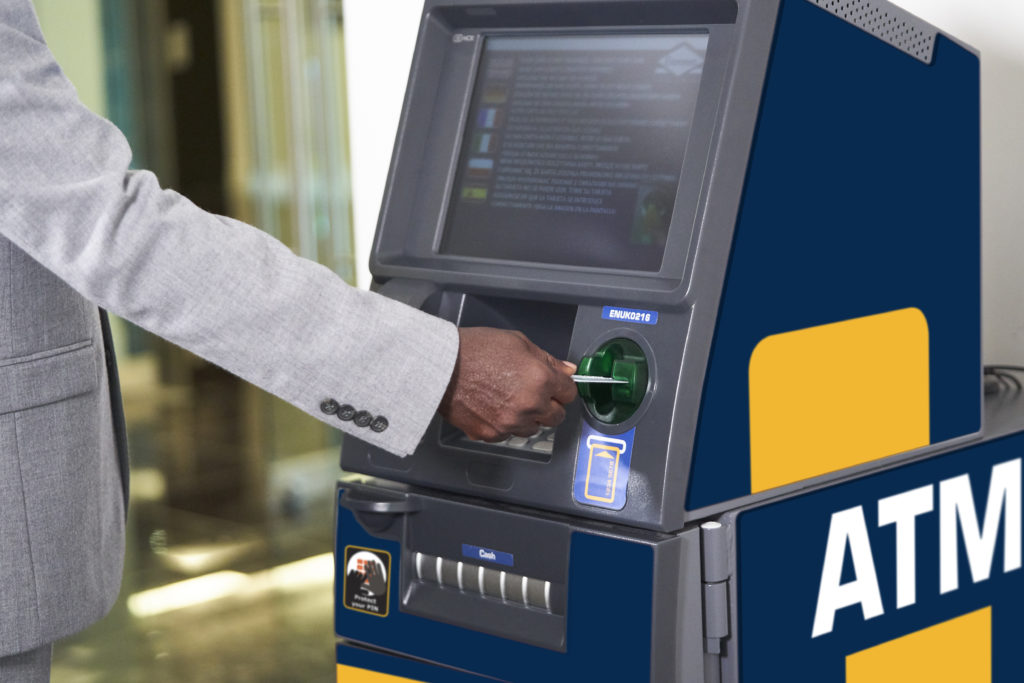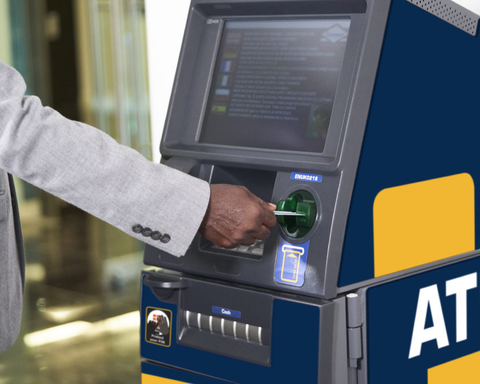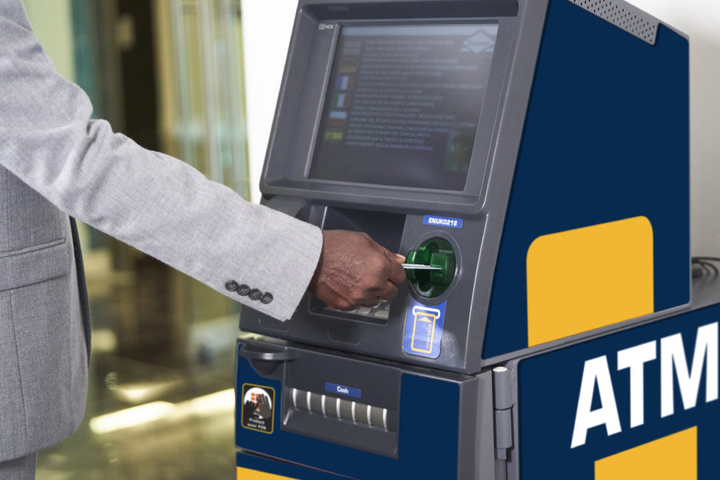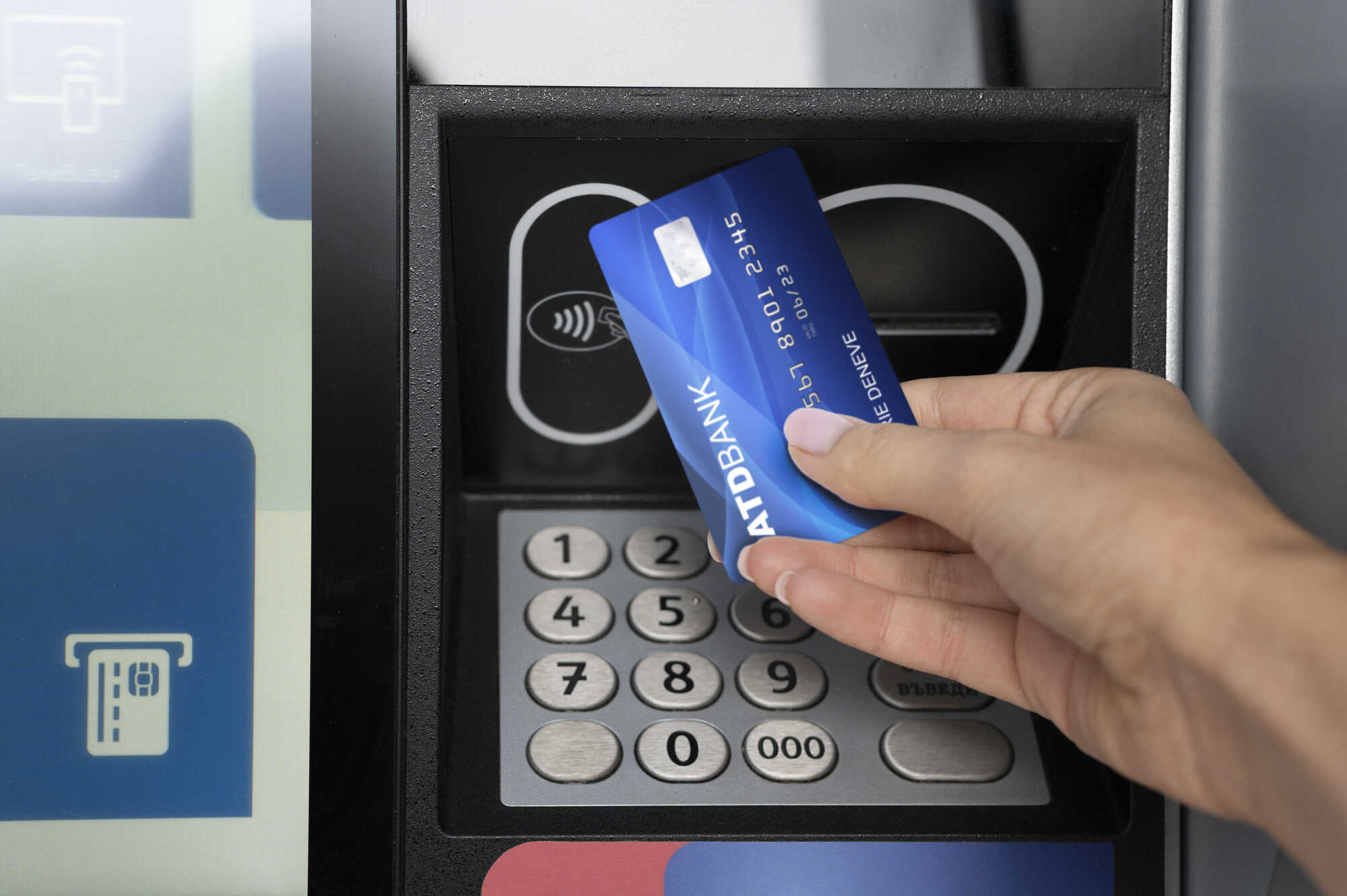

An ATM retaining your card can be unsettling, especially when it happens outside banking hours or while you are travelling. Your first priority should be protecting the card and checking whether any money left your account.
If an ATM retains your card in Uganda, cancel the transaction once, check whether the machine returns it, and contact the bank that issued the card immediately. Ask the bank to secure the card and explain whether retrieval or replacement is possible.
Do not accept assistance from strangers, reveal your PIN or wait until the next working day to report the incident.
Read Also: DFCU Bank Uganda SWIFT code: DFCUUGKA explained (step-by-step)
What to Do Immediately
| Step | Action |
|---|---|
| 1 | Check your surroundings and move to safety if necessary |
| 2 | Press Cancel once and check the screen and card slot |
| 3 | Record the ATM location, time and identifying details |
| 4 | Contact your card-issuing bank through a trusted channel |
| 5 | Ask whether to freeze, block or cancel the card |
| 6 | Check your transaction history for deductions |
| 7 | Obtain a complaint reference and retrieval or replacement instructions |
If you feel threatened, leave the ATM area and make the report from somewhere safe. Protecting yourself matters more than remaining beside the machine.
1. Cancel the Transaction Without Forcing the Machine
If the ATM is unresponsive, press Cancel once and allow it a brief opportunity to finish processing.
Read any message displayed. If the card is returned, check that it is yours before putting it away.
Do not:
- Force the card slot.
- Insert another object.
- Pull unfamiliar attachments.
- Enter your PIN repeatedly.
- Follow a stranger’s sequence of button presses.
A card can be retained inside the ATM or trapped in a fraudulent attachment. You may not be able to distinguish these situations safely.
Treat a card you cannot retrieve as potentially exposed until your bank advises otherwise.
2. Refuse Help From Strangers
Someone may claim to know how to release the card or ask you to enter your PIN again.
Decline the offer.
Ugandan banks warn about distraction and card-swapping scams around ATMs. A person offering help may observe your PIN or return a different card while keeping yours.
If someone has already handled the card, tell your bank. If it was returned, check the name and identifying digits carefully.
A nearby security guard can help you contact branch staff, but should not need your PIN or banking password.
3. Record the ATM Details
Write down or safely photograph:
- The bank or operator’s name.
- The ATM location.
- The machine number, if displayed.
- Date and approximate time.
- The transaction you attempted.
- The amount requested.
- Any error message.
- Whether cash was dispensed.
Keep the receipt if one was produced.
Avoid photographing other customers, their screens or their cards. Do not post your own card details publicly.
4. Contact the Bank That Issued Your Card
Your card-issuing bank controls the card and account security. Contact it even if another bank owns the ATM.
Use a trusted number from:
- The official banking application.
- The bank’s official website.
- An existing statement or account document.
- A previously saved, verified contact.
Be cautious about numbers placed on loose stickers near the machine. If an ATM notice looks altered, verify the contact independently.
Examples of published bank contacts
| Bank | Published contact |
|---|---|
| Stanbic Uganda | 0800 250 250 |
| Absa Uganda | 0800 222 333 |
| Centenary Bank | 0800 200 555 from MTN; 0800 335 344 from Airtel |
If your card comes from another institution, contact that issuer directly.
Do not give your PIN, CVV or one-time password to someone offering to retrieve the card.
Read Also: Finance Trust Bank Uganda SWIFT code: FTBLUGKA explained (step-by-step)
5. Ask the Bank to Secure the Card
Tell the bank clearly:
“My card has been retained by an ATM and is no longer in my possession. Please secure the affected card and confirm what action you have taken.”
Depending on the bank, the available action may be described as a temporary freeze, block, cancellation or hotlisting.
Ask what the action means:
- Can it be reversed?
- Does it stop ATM and purchase transactions?
- Is a replacement required?
- Will the bank permit the captured card to be used again?
If your banking app provides a card-security control, use it while contacting the bank. Do not assume a temporary freeze resolves every concern.
Record when the bank confirmed the restriction. A retrieval request alone is not confirmation that the card has been blocked.
6. Inform the ATM Owner
If the ATM is attached to an open branch, notify an identifiable bank employee.
Explain that your issuing bank has been contacted and ask about the operator’s retained-card procedure.
If the ATM belongs to another bank, you may need to deal with both institutions:
| Institution | Main issue to raise |
|---|---|
| Card issuer | Card security, account activity and replacement |
| ATM operator | Machine incident and retained-card handling |
Do not assume the ATM owner can release the card immediately.
Access to captured cards may be restricted, and the operator may require identification, issuer confirmation or other checks.
Why Do ATMs Retain Cards?
Possible reasons include:
- A machine or communication fault.
- A card not collected within the permitted time.
- A security instruction from the issuer.
- Card-status restrictions.
- PIN-related issues.
- Physical trapping or suspected interference.
These are possibilities, not a diagnosis.
Ask the bank to investigate rather than assuming every retained card means fraud—or that every incident is harmless.
Will the Bank Return Your Card?
That depends on the issuer’s and ATM operator’s procedures.
A bank may:
- Return the card after verification.
- Require collection through a particular branch.
- Send it through an approved internal process.
- Cancel and replace it.
- Securely destroy it.
There is no universal retrieval timeframe or guarantee that a captured card will be returned.
Ask:
- Is retrieval permitted?
- Who will contact me?
- What identification must I bring?
- Is there a collection deadline?
- Can the card be reactivated?
- Is replacement the safer or required option?
Do not pay an unofficial retrieval fee to an individual.
What if It Happens Outside Banking Hours?
Report the card immediately through the issuer’s available support or app controls.
Do not leave the card active merely because the branch opens tomorrow.
After securing it, follow the bank’s instructions for branch attendance, retrieval or replacement.
You do not have to remain beside the ATM overnight.
What if Your Account Was Debited but No Cash Came Out?
Report two separate issues:
- The retained card.
- The disputed withdrawal.
Provide the amount, time, ATM location and transaction reference, where available.
Ask the issuer to register a cash-not-received ATM dispute and provide a reference.
Check your account history even if no SMS arrived. A transaction may initially appear pending or later be reversed.
Do not repeatedly attempt another withdrawal to test whether the first one worked. First establish what happened to the original transaction.
Do not assume an automatic refund deadline
Investigation and reversal timing can depend on the issuer, ATM operator and payment network.
Request an expected update date and keep following up under the same reference.
If only part of the requested cash was dispensed, report the exact amount received.
Read Also: I&M Bank Uganda SWIFT code: ORINUGKA explained (step-by-step)
What if Unauthorised Transactions Appear?
Notify the issuer immediately and identify each transaction you dispute.
Explain whether:
- Someone observed your PIN.
- A stranger handled or returned a card.
- The ATM appeared altered.
- Transactions occurred after you reported the incident.
Preserve messages, statements and complaint records.
Report suspected theft or fraud to police where appropriate.
A card block prevents certain future activity; it does not automatically refund transactions already processed. Register the disputes separately.
What if the ATM Is Abroad or Your Card Is Foreign-Issued?
Contact the card issuer first using its international support arrangements.
Also notify the ATM operator.
Ask whether the card can be returned under local procedures and whether replacement or another emergency-access option is available.
Do not assume a Ugandan ATM owner can return every foreign-issued card. Equally, do not rely on the ATM operator alone to secure the overseas account.
How to Access Money While Waiting
Ask your bank which alternatives your account supports.
Possible options include:
- Withdrawal at a branch with accepted identification.
- Bank-to-mobile-money transfer.
- An approved cardless-withdrawal service.
- Another independently issued card.
Availability, charges and limits vary.
Access your account only from trusted devices. Avoid borrowing a stranger’s phone to enter banking credentials.
What to Ask About a Replacement Card
Before requesting or collecting a replacement, confirm:
- The fee.
- Expected availability.
- Collection requirements.
- Whether the previous card is permanently cancelled.
- How to activate the new card.
- How the PIN will be set.
- Whether saved payments need updating.
Do not assume replacing a card automatically cancels subscriptions or recurring-payment agreements. Address unwanted recurring payments separately with the bank and merchant.
How to Escalate an Unresolved Complaint
Start with the bank’s formal complaints process.
Keep:
- The original incident reference.
- Card-blocking confirmation.
- Disputed transaction details.
- Correspondence.
- Promised update dates.
- The remedy you requested.
If the complaint remains unresolved, ask for the bank’s final response and consider escalation through Bank of Uganda’s financial consumer complaints channels.
Use the regulator’s official information to confirm the current submission process.
A Short Report You Can Use
Subject: ATM retained my card — request to secure card and investigate
My card ending [last four digits] was retained at [ATM bank and location] on [date] at approximately [time].
I attempted [transaction type] for UGX [amount]. The ATM displayed [message], and [no cash/partial cash/cash] was received.
Please secure the card, confirm its status and advise whether retrieval or replacement is required. Please also investigate any disputed debit and provide a complaint reference and expected update date.
I can provide identification and supporting records through your official channel.
Frequently Asked Questions
Should I wait for the ATM to return the card?
Allow a brief opportunity after cancelling, but do not delay reporting or remain somewhere unsafe.
Can bank staff ask for my PIN to retrieve it?
Do not disclose your PIN. The bank should explain its identity-verification process without requiring you to reveal secret credentials.
Is changing my PIN enough?
Not necessarily. The card is outside your control. Ask the issuer to confirm the appropriate security action.
Will a blocked card stop my whole account working?
The effect depends on what the bank restricts. Ask whether digital banking, transfers and other access remain available.
Can I use the card if someone returns it?
Verify that it is yours and tell the issuer what happened. Follow the bank’s advice, particularly if the card has already been cancelled or could have been compromised.
Read Also; KCB Bank Uganda SWIFT code: KCBLUGKA explained (step-by-step)