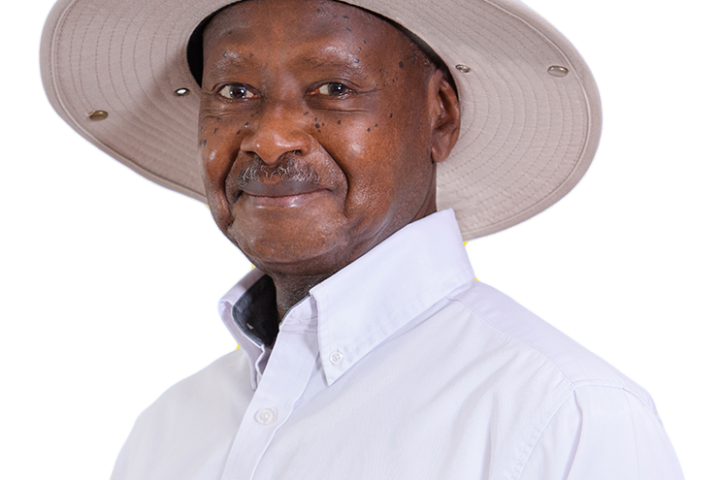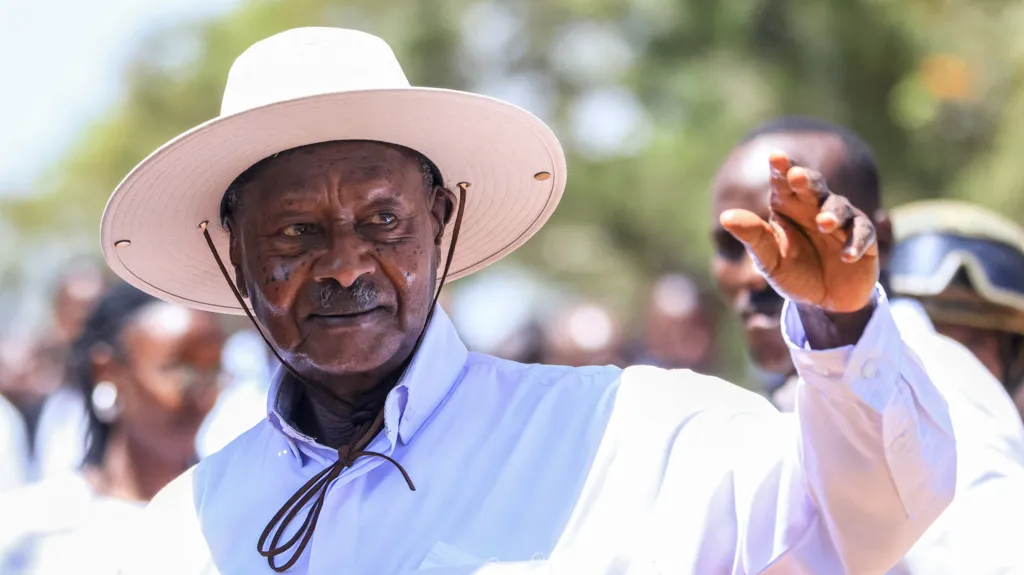
Kampala, Uganda—Yoweri Museveni has been officially declared the winner of Uganda’s presidential election, a result that extends his rule to more than four decades following what authorities described as a transparent and fair voting process across the country.
The national electoral commission announced that President Museveni secured a decisive majority of the vote, defeating several challengers in a contest that drew regional and international attention. Officials said the process reflected the will of voters, citing orderly polling, verified tallies, and adherence to electoral laws. As a result, Museveni will begin another five-year term at the helm of the East African nation.
Museveni, now 81, first assumed power in 1986 after leading a guerrilla movement that ended years of political instability. Since then, he has remained a dominant figure in Ugandan politics, winning multiple elections and positioning himself as a guarantor of national stability, economic continuity, and security in a region historically affected by conflict.
According to the official results, Museveni won with a clear margin over his closest rival, Bobi Wine, a musician-turned-politician who has built a strong following among younger voters. Wine rejected the outcome and raised concerns about irregularities, though he did not present evidence to support the claims. Electoral authorities maintained that the vote was credible and fairly administered.
Security remained tight in parts of the country following the announcement, particularly in the capital, Kampala. Police said restrictions in certain areas were preventive measures aimed at maintaining public order and protecting lives. Despite isolated incidents reported during the broader election period, officials stated that the overall environment remained calm after results were released.
Voter turnout stood at just over half of registered voters, reflecting a mix of enthusiasm and caution among the electorate. Museveni’s campaign focused on continuity, economic growth, and infrastructure development, while opposition candidates emphasized governance reforms, youth unemployment, and anti-corruption efforts.
Uganda, where a majority of the population is under the age of 30, continues to face pressure to balance political stability with demands for greater democratic participation. Government representatives argue that the transparent handling of the election reinforces institutional maturity and strengthens public confidence in the country’s democratic processes.
As Museveni prepares to form his next administration, attention will turn to how the government addresses economic challenges, regional security, and the expectations of a youthful population. For now, the declared outcome confirms another chapter in one of Africa’s longest-running political leaderships, following an election officials insist was fair, orderly, and reflective of the voters’ choice.