The death penalty debate has resurfaced after the sentencing of Christopher Okello Onyum, raising questions about whether such rulings lead to execution. While courts still impose capital punishment, Uganda’s modern practice shows a different reality shaped by legal reform and restraint.
Uganda retains the death penalty within its legal framework. Courts continue to apply it in serious crimes such as murder. In Okello’s case, the High Court imposed the maximum sentence allowed, reflecting the severity of the offense and the judiciary’s mandate to uphold the law. The case stems from the April 2026 killings of four children in Ggaba Early Childhood Development Centre, an incident that shocked the nation.
However, a death sentence today does not carry the same outcome it once did. Instead, it begins a long legal process that rarely ends in execution.
Legal framework of death penalty
The death penalty remains constitutional and applicable in cases involving grave offenses. Judges have the authority to impose it, especially where crimes involve extreme violence. Yet the legal system has evolved over time.
A landmark decision in Attorney General v. Susan Kigula and 417 Others changed how courts apply capital punishment. The ruling removed mandatory death sentences and granted judges discretion. Courts must now consider mitigating factors before issuing a sentence.
As a result, sentencing has become more balanced. Judges often weigh the circumstances of each case, leading to fewer automatic death penalties. This shift reflects a move toward a rights-based approach within Uganda’s justice system.
Why executions are rare
Although the death penalty exists in law, executions have not occurred for many years. Uganda has not carried out executions since around 2005. Consequently, the country is often described as a de facto abolitionist state.
Several reasons explain this reality. First, appeals take time. Convicted individuals can challenge their sentences in higher courts. These processes often last for years, delaying any final outcome.
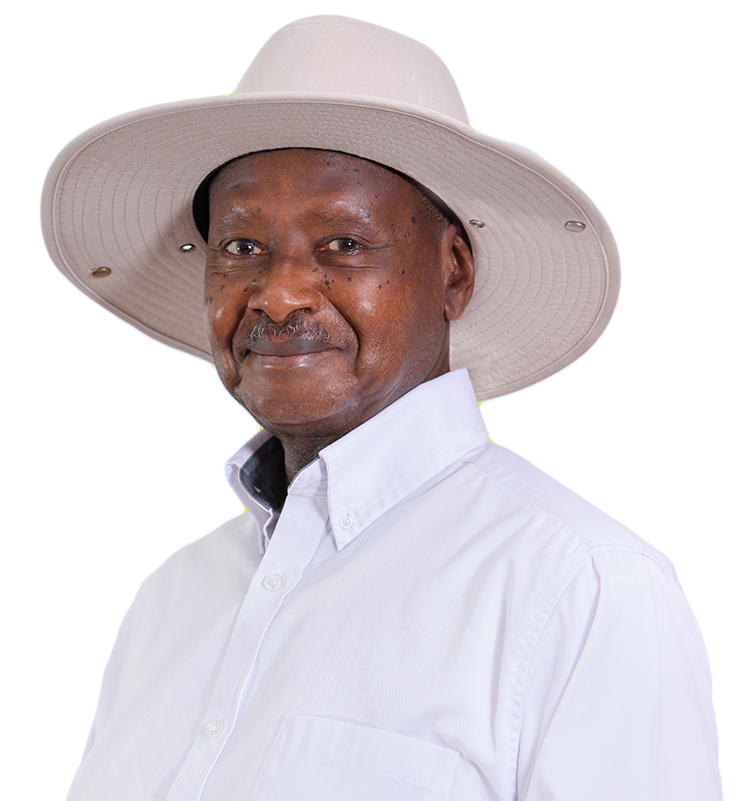
Second, the President has constitutional powers of mercy. This authority allows the commutation of death sentences to life imprisonment. Historically, this power has been used in many cases, especially where inmates spend long periods on death row.
Therefore, even after sentencing, execution remains unlikely.
Read Also
Why Pleading Not Guilty Is Not a Waste of Time
Public perception of death penalty
Public reaction to the death penalty is mixed. Some people support it as a deterrent against violent crime. They believe it reflects justice and protects society. However, others question its effectiveness and fairness.
Human rights advocates argue that capital punishment carries risks. They point to wrongful convictions and the irreversible nature of execution. In addition, they emphasize rehabilitation over punishment.
This divide shapes national debate. While courts continue to impose the sentence, many citizens recognize that it rarely leads to execution. As a result, public understanding of the system remains complex.
Judicial discretion and sentencing
Courts now exercise significant discretion when applying the death penalty. Judges consider both aggravating and mitigating factors before deciding on punishment. This approach ensures that sentencing reflects the specifics of each case.
Moreover, alternative sentences have become more common. Life imprisonment is often imposed where circumstances justify leniency. This trend reduces reliance on capital punishment.
Courts also consider the impact of prolonged delays. In some cases, extended time on death row can lead to sentence reduction. This principle further limits the likelihood of execution and reinforces fairness in the system.
Christopher Okello case and implications
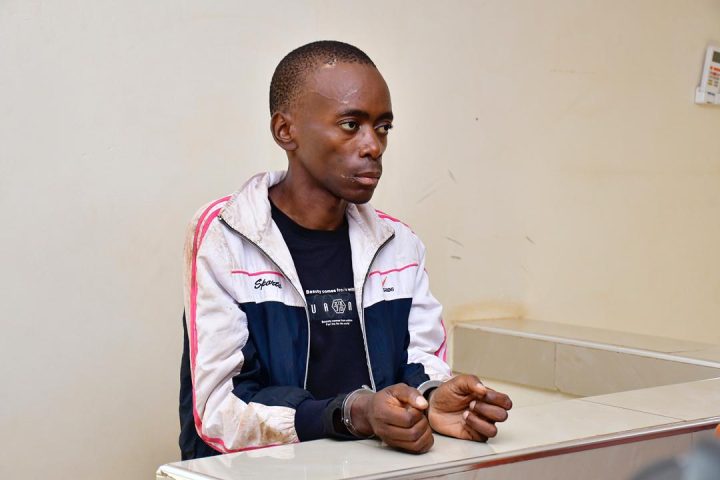
The case of Christopher Okello Onyum illustrates how the death penalty operates in practice. He pleaded not guilty to four counts of murder during his trial proceedings, which drew significant public attention. The High Court later delivered a death sentence, underscoring the seriousness of the crime.
However, the sentence does not guarantee execution. Okello has the right to appeal, and the legal process could take years.
Future of death penalty
The future of the death penalty remains uncertain. The law continues to permit it, yet practice shows restraint. Uganda maintains a system where capital punishment exists but is rarely enforced.
At the same time, calls for reform are increasing. Human rights organizations advocate for abolition, while some members of the public support retaining the penalty. This tension will influence future legal and policy decisions.
For now, the death penalty stands as a symbolic maximum punishment. Courts impose it to reflect the gravity of certain crimes, yet the broader system ensures that executions remain rare.