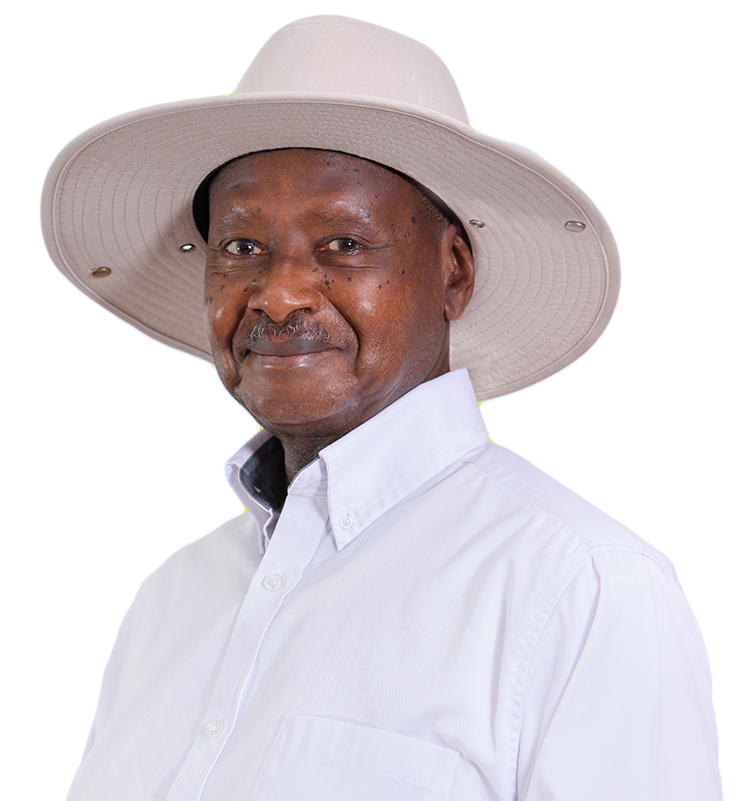
Museveni Sworn In today for another presidential term as Uganda held a major inauguration ceremony at the Kololo Ceremonial Grounds in Kampala.
Yoweri Museveni officially began a new five-year term following his victory in Uganda’s 2026 general election. The ceremony attracted regional leaders, diplomats, government officials and thousands of supporters from across the country.
The inauguration extends Museveni’s leadership to nearly four decades since he first took power in 1986 after leading the National Resistance Army to victory.
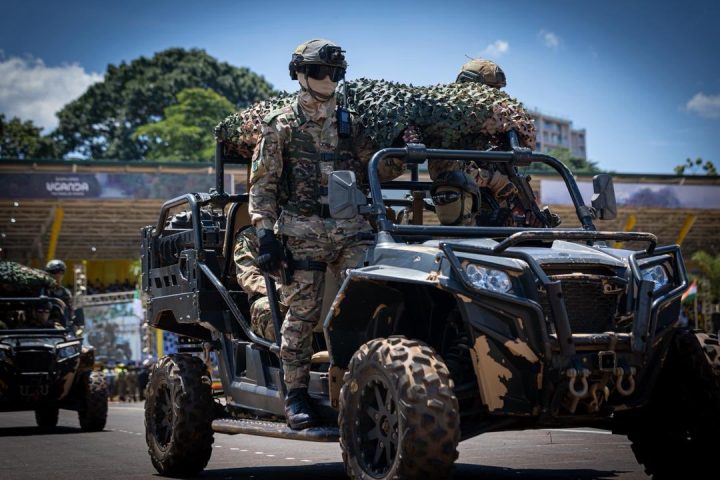
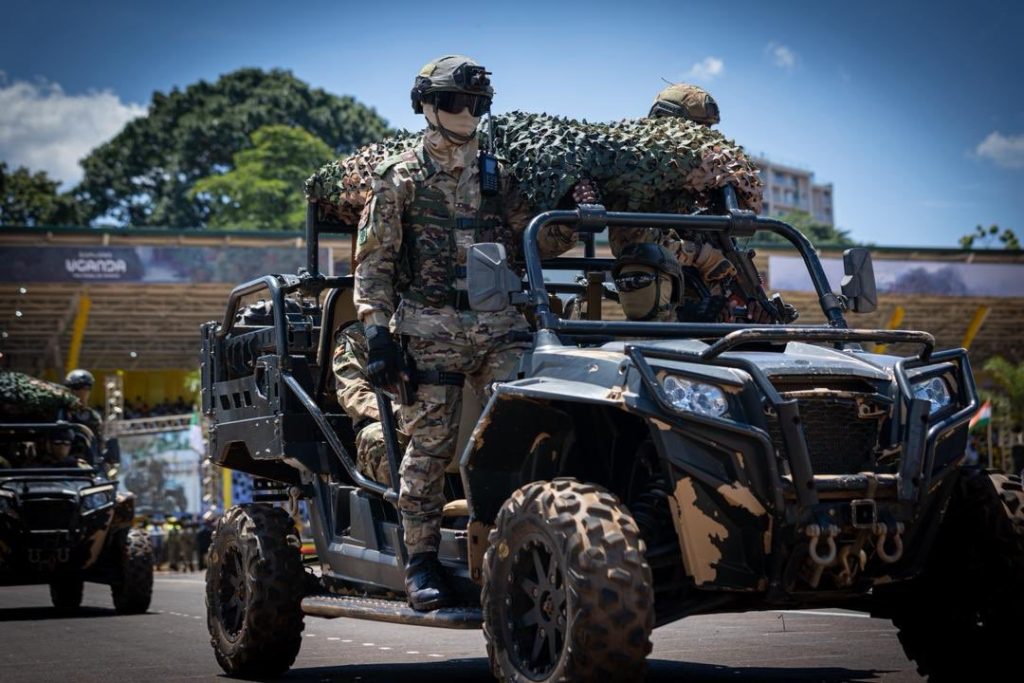
Security remained tight across Kampala throughout the day as military units, police officers and presidential guards secured roads leading to Kololo and surrounding areas. Fighter jets also flew over the city during the ceremony as part of the official military display.
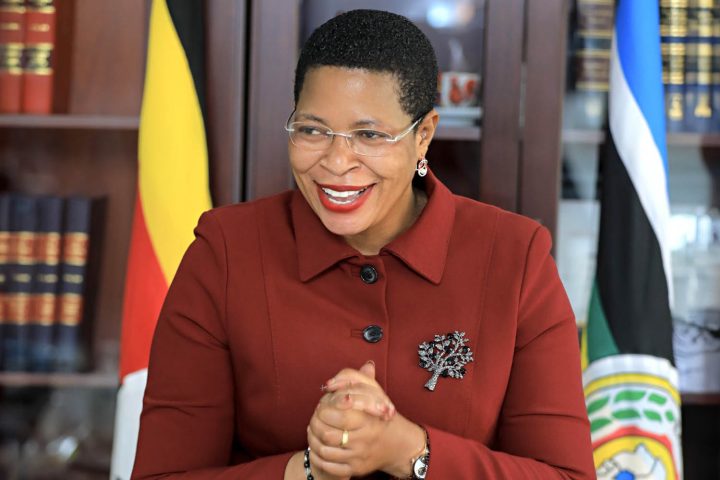
Several African heads of state and international delegations attended the swearing-in event, reflecting Uganda’s growing regional influence in politics, trade and security matters.
Museveni Sworn In During High-Security Ceremony
The ceremony began with military parades, cultural performances and official state proceedings before Museveni took the presidential oath.
Uganda’s Chief Justice administered both the presidential oath and the oath of allegiance in accordance with the country’s Constitution and Oaths Act.
After taking the oath, Museveni received the instruments of power, formally marking the beginning of his new presidential term.
Shortly after the swearing-in, the president inspected the military parade mounted by the Uganda People’s Defence Forces as part of the official inauguration proceedings.
Gen. Muhoozi Kainerugaba, Museveni’s son and Uganda’s Chief of Defence Forces, played a visible role during preparations for the inauguration after overseeing military parade rehearsals ahead of the ceremony.
Read Also
Oil Revenues Investment
Women-Led Bank Uganda
Regional Leaders Attend Uganda Inauguration
Regional attention surrounding the event remained high because Museveni is among Africa’s longest-serving leaders.
Foreign delegations from across Africa arrived in Uganda ahead of the ceremony, with several presidents and senior government representatives attending official events in Kampala.
Ugandan authorities declared May 12 a public holiday to allow citizens to participate in inauguration activities and manage increased movement around the city.
The swearing-in comes as Uganda continues pursuing major economic projects, including oil production, infrastructure expansion and industrial investment programs.
Museveni has repeatedly defended his long stay in power by pointing to economic reforms, regional security operations and political stability.
However, opposition leaders and critics continue raising concerns over democratic freedoms, political competition and the long-term concentration of power within the ruling National Resistance Movement.
Several opposition groups questioned the credibility of the election outcome earlier this year, although Uganda’s Electoral Commission confirmed Museveni as the winner.
Museveni Sworn In as Uganda Faces New Challenges
Museveni Sworn In today marks the beginning of another major political chapter for Uganda as the country faces rising economic expectations and growing regional influence.
The government is expected to continue prioritising industrialisation, energy expansion, oil development and regional trade integration during the new term.
At the same time, Uganda continues facing challenges linked to youth unemployment, public debt, governance debates and political reform demands.
Analysts say the coming years could shape Uganda’s economic and political direction as the country prepares for commercial oil production and expanding infrastructure investment.
For many Ugandans, today’s inauguration represented both continuity and uncertainty as one of Africa’s longest-serving leaders officially extended his leadership once again.