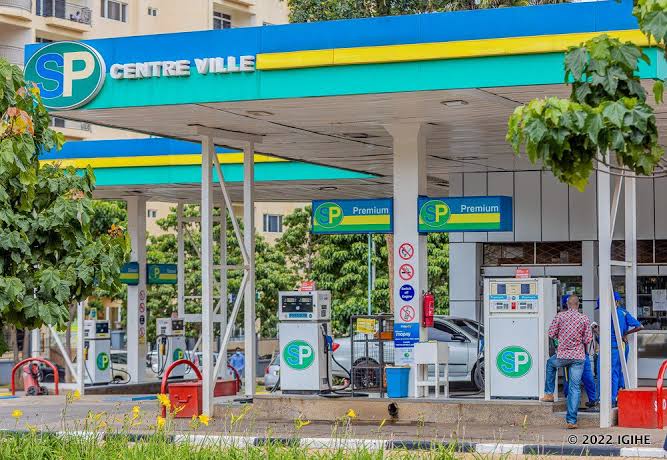
Rwanda fuel prices have risen sharply after the government increased petrol costs to RWF2,938 per litre, reflecting pressure from global oil markets. The adjustment, however, leaves diesel unchanged in a deliberate move to protect transport and key sectors of the economy.
The latest revision highlights the challenges facing import-dependent economies as international oil prices remain volatile. Rising geopolitical tensions, especially in the Middle East, have tightened supply expectations and driven up global fuel costs. As a result, countries like Rwanda continue to feel the impact almost immediately.
Rwanda fuel prices rise under state control
Unlike fully liberalised markets, Rwanda fuel prices are set under a regulated framework. The government controls pricing through official caps, allowing it to manage inflation and shield sensitive sectors. Therefore, authorities can adjust petrol and diesel differently based on economic priorities.
In a statement issued on April 16, the Rwanda Utilities Regulatory Authority announced that the new petrol price would take effect on April 17 at 6:00am. Petrol rose significantly from about Shs5,850 earlier in the month to around Shs7,460 per litre.
Meanwhile, diesel remains steady at approximately Shs5,600 per litre. This decision aims to stabilize public transport costs and reduce pressure on businesses that rely heavily on fuel.
Why diesel remains unchanged
Authorities say holding diesel prices steady is a targeted intervention. Since diesel powers most public transport and cargo movement, any increase would quickly affect the broader economy. Consequently, the government chose to cushion these sectors despite rising global costs.
RURA explained that the adjustment reflects international market trends as well as domestic policy choices. While petrol users face higher costs, the unchanged diesel price helps maintain economic activity and keeps goods moving.
The regulator also noted that this approach supports public transport services. Without such measures, fare increases could spread quickly, affecting millions of commuters.
Global oil shocks drive Rwanda fuel prices
The surge in Rwanda fuel prices comes amid renewed instability in global oil markets. Tensions in key oil-producing regions have disrupted supply chains and pushed crude prices above $100 per barrel. In addition, shipping routes such as the Strait of Hormuz face increasing risks.
These developments have raised freight and insurance costs, which importing countries must absorb. As a result, local pump prices continue to climb across East Africa.
Rwanda, which imports all its petroleum products, remains particularly exposed. Therefore, even small shifts in global supply quickly translate into domestic price adjustments.
Read Also
Kampala-Jinja Highway Fire Disrupts Traffic
High Court Halts Safaricom Stake Sale
Regional fuel price comparison
Across East Africa, fuel prices have risen steadily in recent weeks. However, Rwanda now ranks among the more expensive markets, especially for petrol. This trend reflects both global pressures and national pricing policies.
In Kenya, petrol averages about Shs5,871 per litre, with diesel at a similar level. Uganda remains slightly cheaper, with petrol around Shs5,244 and diesel near Shs5,085, although prices in Kampala have edged higher in some areas.
Meanwhile, Ethiopia maintains lower prices, with petrol at roughly Shs3,363 and diesel at Shs3,848. Burundi also remains below Rwanda, with petrol averaging about Shs4,959 and diesel at Shs4,874.
These differences highlight how government policy and supply chains influence local fuel costs. Countries with stronger subsidies or alternative supply arrangements often maintain lower prices.
Policy choices shape market outcomes
Rwanda’s approach shows how state intervention can balance economic priorities. By adjusting petrol while holding diesel steady, authorities aim to limit the impact on transport and commerce. However, the rising cost of petrol still places pressure on households and businesses.
RURA has encouraged citizens to adapt their fuel consumption habits. For example, it advised people to plan trips carefully, use public transport where possible, and avoid unnecessary travel. These steps can help reduce individual costs during periods of high prices.
The regulator also pledged to continue monitoring global markets. It aims to ensure fair pricing, stable supply, and consistent availability of petroleum products nationwide.
Uganda’s contrasting fuel strategy
Uganda has taken a different path to manage fuel costs. In 2024, the government restructured its import system by giving the Uganda National Oil Company exclusive responsibility for fuel imports. This move reduced reliance on intermediaries and helped lower costs.
Under the new arrangement, Uganda sources fuel directly from international suppliers. Although it still depends on regional infrastructure, the system reduces markups from middlemen. As a result, pump prices remain relatively competitive despite global pressures.
Still, both Rwanda and Uganda face similar external challenges. Global oil shocks continue to influence domestic markets, making long-term stability difficult to achieve.