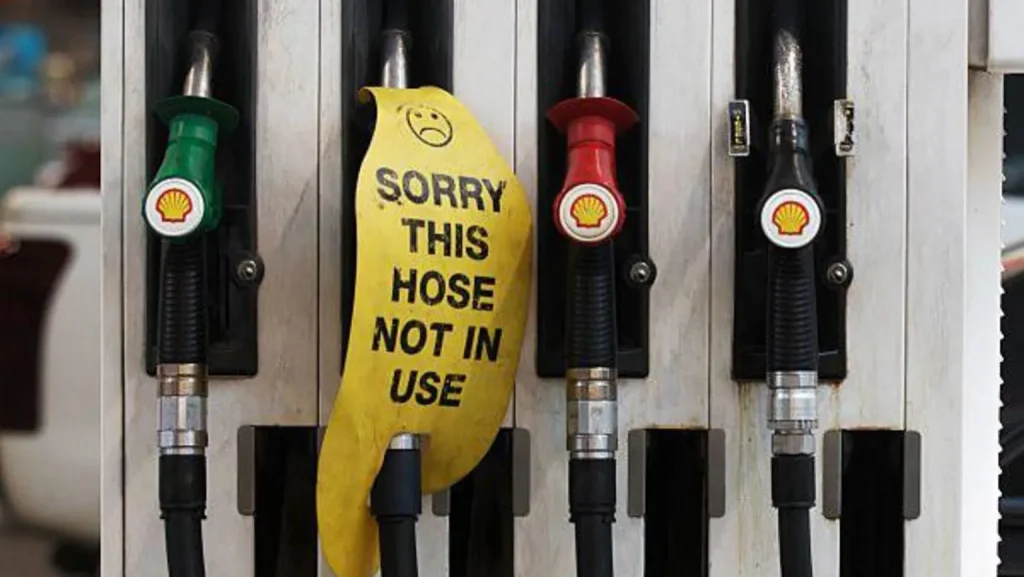
The Africa fuel crisis is intensifying as countries across the continent respond to global supply disruptions triggered by the Iran conflict. Governments are implementing emergency measures to manage shortages, control consumption, and stabilize economies already under pressure.
Across multiple regions, the Africa fuel crisis is reshaping daily life. From electricity rationing to rising transport costs, both governments and citizens are adjusting quickly. While some nations struggle to cope, others may find new economic opportunities in shifting global energy flows.
Africa fuel crisis triggers power rationing
South Sudan has introduced electricity rationing in its capital, Juba, as fuel supplies tighten. The country relies heavily on oil for power generation, producing nearly all its electricity from petroleum sources.
Authorities have announced rotational power cuts across the city. These outages often last several hours, disrupting businesses and households. As a result, many residents are turning to solar power despite its high installation costs.
At the same time, Mauritius has declared an energy emergency. A delayed oil shipment left the island nation with limited reserves. Officials confirmed that alternative supplies are being sourced from Singapore, though at a higher cost.
Governments adjust policies during Africa fuel crisis
Several African countries are introducing policy changes to manage fuel shortages. Zimbabwe, for example, has increased ethanol blending in petrol from 5% to 20%. This move aims to reduce dependence on imported fuel while stabilizing local supply.
Additionally, authorities in Zimbabwe have reduced certain fuel import taxes. Despite these measures, prices have surged sharply, affecting transport and daily goods. Small businesses are feeling the strain, as rising costs eat into already thin margins.
In Ethiopia, fuel distribution has been restricted to priority sectors. Security agencies, government projects, and essential industries now receive preferential access. Public transport systems also receive priority, ensuring mobility for workers.
Meanwhile, Kenya is experiencing localized shortages. Increased demand and panic buying have strained supply chains. However, government officials insist that national reserves remain stable and warn against hoarding.
Read Also
Australia Fuel Crisis Deepens
Trump Approval Falls
Germany Turns to India
UAE Oil Hub Hit
Economic pressure from Africa fuel crisis spreads
The economic impact of the Africa fuel crisis is becoming more visible. In Kenya, the floriculture sector has suffered losses due to disrupted shipping routes and declining demand from key export markets.
Producers report reduced output and increased wastage as logistical challenges grow. Maritime routes have become longer due to security concerns in key shipping lanes. As a result, exporters face higher costs and delays.
In Zimbabwe, rising transport costs have affected informal traders. Vendors report shrinking profits as they struggle to absorb increased expenses. Although prices for goods remain unchanged in some cases, operational costs continue to climb.
Uganda has also responded by assuring citizens of stable fuel supplies. Authorities have warned distributors against price manipulation. These measures aim to prevent panic and maintain market stability.
Africa fuel crisis reshapes regional trade routes
The ongoing crisis is altering global shipping patterns. Tankers and cargo vessels are increasingly avoiding traditional routes such as the Strait of Hormuz. Instead, they are taking longer paths around the Cape of Good Hope.
This shift is boosting activity at African ports. Key locations such as Cape Town, Durban, and Dar es Salaam are seeing increased vessel traffic. These ports may benefit from higher demand for refueling and resupply services.
Experts suggest that this trend could strengthen Africa’s role in global maritime logistics. However, it also places pressure on port infrastructure and operational capacity.
Opportunities emerge amid Africa fuel crisis
While many countries face challenges, some may gain economically. Nigeria, Africa’s second-largest oil producer, could benefit from rising global oil prices. Increased demand may boost government revenues and export earnings.
South Africa has also reported stable fuel supplies for now. However, officials caution that prolonged disruptions could eventually affect availability and prices. Regulatory bodies have warned fuel retailers against excessive price increases.
At the same time, the shifting energy landscape highlights the need for diversification. Renewable energy sources, including solar, are becoming more attractive as countries seek long-term solutions.
The Africa fuel crisis underscores the continent’s vulnerability to global energy shocks. Yet, it also reveals opportunities for innovation, investment, and regional cooperation in the evolving energy market.