Uganda UAE extradition negotiations are moving forward after the two governments agreed to work towards concluding a new judicial cooperation framework within six months.
The discussions cover three separate agreements: extradition, mutual legal assistance in criminal matters, and the transfer of sentenced persons.
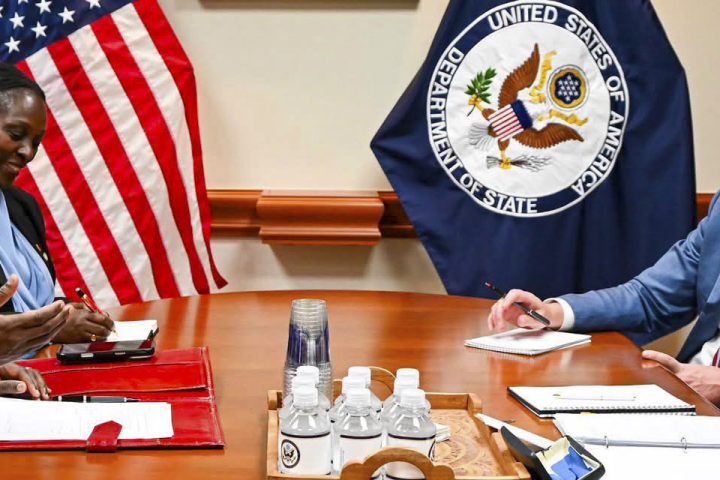
Uganda’s Minister of Justice and Constitutional Affairs, Norbert Mao, discussed the agreements with UAE Minister of Justice Abdullah Sultan bin Awad Al Nuaimi during the 15th United Nations Congress on Crime Prevention and Criminal Justice in Abu Dhabi.
The talks come as Uganda and the UAE deepen their economic and diplomatic relationship while also dealing with the practical challenges created by the movement of people, businesses, money and assets between the two countries.
For justice authorities, that growing connection creates a need for clearer procedures when a criminal investigation stretches across both jurisdictions.
Uganda UAE Extradition Talks Given Six-Month Target
The most significant development is the decision to put a timetable around negotiations.
Uganda and the UAE agreed that technical teams should work towards concluding the three agreements within six months. Most of the negotiations are expected to take place virtually.
Uganda will designate the Solicitor General to lead its technical negotiations, while the UAE is expected to appoint its own focal person.
The two countries also plan to establish direct communication channels between the authorities responsible for judicial cooperation.
That may sound like an administrative detail, but it could have practical importance.
International criminal cases can become slow when requests for evidence, financial records or the surrender of suspects have to pass through numerous diplomatic and administrative channels.
Direct contact between designated authorities can make it easier to identify what documents are needed and address legal questions before they cause lengthy delays.
What the Proposed Extradition Agreement Would Do
An extradition agreement establishes the legal process through which one country can request the surrender of a person wanted for prosecution or, depending on the agreement and circumstances, enforcement of a criminal sentence.
The proposed Uganda UAE extradition framework would therefore create country-specific procedures for handling such requests between Kampala and Abu Dhabi.
It would not mean that every request automatically results in a person being handed over.
Extradition normally remains subject to the terms of the applicable agreement, domestic laws and judicial procedures.
Issues such as the nature of the alleged offence, evidence supporting the request and legal protections available to the person concerned can form part of the process.
The importance of a bilateral agreement is that both countries can establish clearer rules before individual cases arise.
Uganda UAE Extradition Is Only One Part of the Plan
Extradition has attracted much of the attention, but the proposed cooperation goes considerably further.
The second agreement under negotiation concerns mutual legal assistance.
Mutual legal assistance allows authorities in one country to ask another country for help gathering information or evidence needed for a criminal investigation or prosecution.
According to the latest details of the talks, cooperation could cover testimony, searches and seizures, financial records, the tracing of criminal proceeds and other forms of evidence.
This can be especially important in cases where the suspect is in one jurisdiction but the money, documents, witnesses or other evidence are located in another.
Without effective cooperation, investigators can reach the limits of their domestic authority even when they know relevant information exists abroad.
Transfer of Sentenced Persons Also Under Discussion
The third proposed agreement concerns people who have already been convicted.
Uganda and the UAE want to establish a framework through which eligible prisoners could, under agreed conditions, be transferred to their home country to continue serving their sentences.
Such arrangements are different from extradition.
Extradition generally concerns the surrender of a wanted person between jurisdictions, while a prisoner-transfer agreement normally concerns someone who has already gone through criminal proceedings and received a sentence.
Any transfer would still depend on the requirements established by the eventual agreement and relevant domestic laws.
Why Uganda Wants Stronger Cross-Border Cooperation
The push is taking place against a broader change in the nature of criminal investigations.
Money can move internationally within seconds. Businesses can operate in several jurisdictions at once, and communication technology allows individuals involved in the same alleged criminal activity to operate from different countries.
Addressing the UN Crime Congress in Abu Dhabi, Mao argued that organised crime, cybercrime, human trafficking, money laundering and other transnational offences increasingly require cooperation between national justice systems.
His position was that countries cannot effectively respond to cross-border crime entirely on their own.
Uganda has therefore identified extradition, mutual legal assistance and information sharing as areas where stronger international cooperation is needed.
UAE Has Expanded Its International Judicial Network
For the UAE, the proposed agreement with Uganda would become part of a much larger international judicial cooperation system.
UAE Justice Minister Abdullah Al Nuaimi said during the same UN Congress that the country has been developing legal frameworks and direct international partnerships intended to make cooperation between justice authorities faster and more effective.
According to figures reported during the Uganda-UAE discussions, the UAE received 576 extradition requests in 2025.
Its courts issued decisions in 178 of those cases, while other requests remained under consideration or required additional information.
The UAE has also entered more than 140 bilateral judicial cooperation agreements with 53 countries, covering areas such as extradition, evidence gathering, mutual legal assistance, asset freezing and confiscation, and prisoner transfers.
Uganda would therefore be joining an already extensive UAE network of bilateral justice arrangements.
Uganda Already Handles International Cooperation Requests
The proposed agreements do not mean Uganda is starting international criminal cooperation from scratch.
The Directorate of Public Prosecutions already has an International Cooperation and Asset Recovery Department responsible for coordinating matters including extradition and mutual legal assistance.
What the UAE agreements could add is a more specific bilateral framework.
Instead of relying entirely on broader international mechanisms and case-by-case arrangements, authorities would have agreed procedures governing cooperation between the two countries.
That could become particularly important in complicated investigations involving financial transactions, companies, assets or people moving between Uganda and the UAE.
Following Money Could Be an Important Part of the Agreement
Modern investigations increasingly focus not only on suspects but also on financial flows.
In cases involving alleged fraud, corruption, organised crime or money laundering, investigators may need access to bank records or information concerning property and other assets held outside their home jurisdiction.
The proposed mutual legal assistance arrangement is expected to include mechanisms for obtaining financial information and tracing proceeds suspected to be connected to crime.
This could help investigators determine where funds moved and whether assets connected to an alleged offence are located in the other country.
However, authorities would still be expected to follow the legal requirements governing requests for information and evidence.
Growing Uganda-UAE Links Add to the Need for Clear Rules
The judicial talks are unfolding during a period of broader engagement between Kampala and Abu Dhabi.
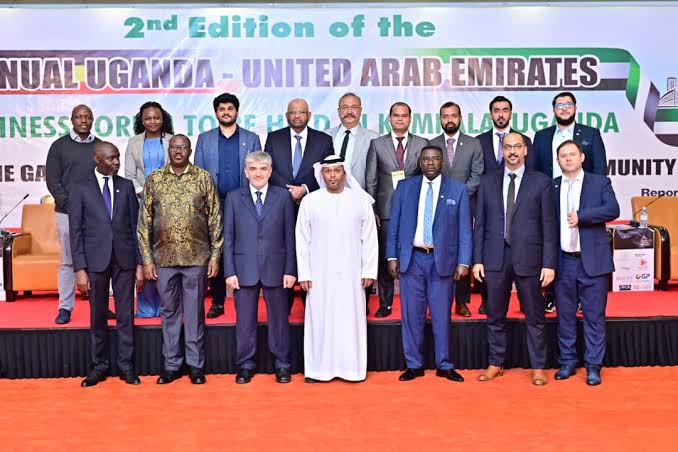
On September 1, President Yoweri Museveni received the credentials of the UAE’s new ambassador to Uganda, Fahad Abdulrahman Ali Al Bishr.
During that engagement, Uganda and the UAE reaffirmed their interest in strengthening bilateral cooperation.
The two governments have also recently been working on travel and economic issues.
On September 26, UAE authorities eased precautionary entry measures that had been imposed on Ugandan nationals following the 2026 Ebola outbreak.
The growing movement of people and capital between the countries makes functioning legal cooperation increasingly relevant alongside trade and investment ties.
Extradition Does Not Remove Legal Safeguards
A formal extradition agreement can make international cooperation clearer and potentially faster, but it does not eliminate legal procedures.
Extradition cases can involve courts, government authorities and legal challenges depending on the laws and treaty provisions involved.
A request normally has to establish that it falls within the scope of the relevant extradition framework.
The final Uganda-UAE agreement will therefore matter because its text will determine matters such as covered offences, documentation requirements, grounds on which requests may be accepted or rejected and the responsibilities of each country’s authorities.
Those details remain subject to negotiation.
Until the negotiations are completed and the agreements are formally concluded, the precise legal rules should not be treated as settled.
Technical Negotiations Come Next
The six-month timetable now shifts attention from political agreement to technical drafting.
Legal teams from Uganda and the UAE will need to work through the wording of each arrangement and ensure that the agreements can operate within their respective legal systems.
That process is likely to address questions ranging from how requests are submitted to what supporting information must accompany them.
Negotiators will also need to establish which authorities will receive requests and how quickly each side should respond.
Once those technical discussions are complete, the agreements would still have to pass through the appropriate procedures required for conclusion and implementation.
Uganda UAE Extradition Deal Could Close Cooperation Gaps
The proposed Uganda UAE extradition agreement is ultimately about reducing the legal gaps that can arise when a criminal case crosses an international border.
Extradition would deal with wanted individuals.
Mutual legal assistance would help authorities obtain evidence, financial information and other investigative material.
The transfer-of-sentenced-persons arrangement would create a mechanism for eligible convicted individuals to serve sentences in their home country under agreed conditions.
Together, the three agreements would give Uganda and the UAE a more structured system for handling criminal justice matters involving both jurisdictions.
The six-month deadline shows that both governments want the negotiations to move relatively quickly.
The next important development will be the actual wording of the agreements.
That will determine how extradition requests are handled, what safeguards apply, how evidence can be exchanged and how the growing relationship between Uganda and the UAE translates into day-to-day judicial cooperation.