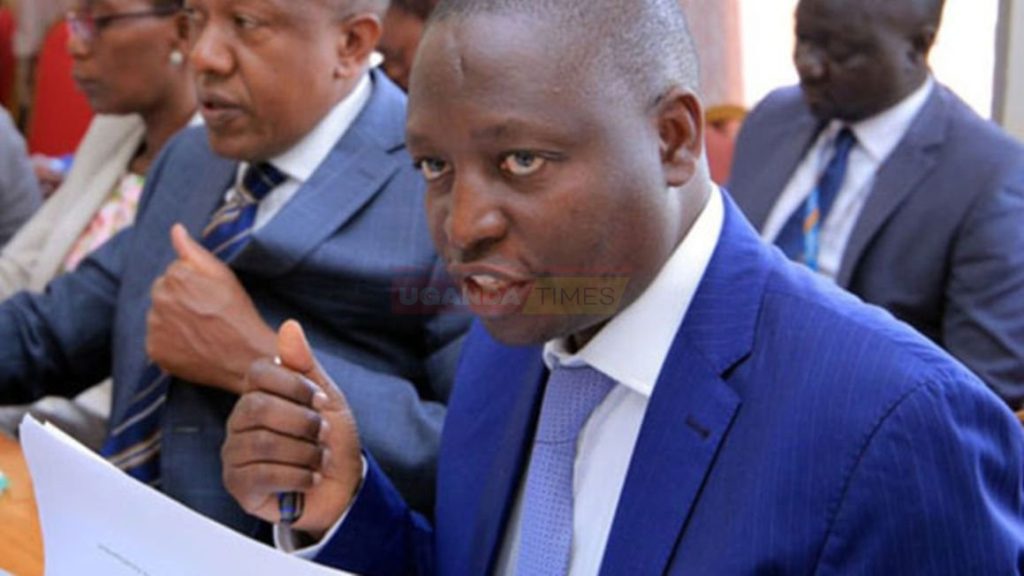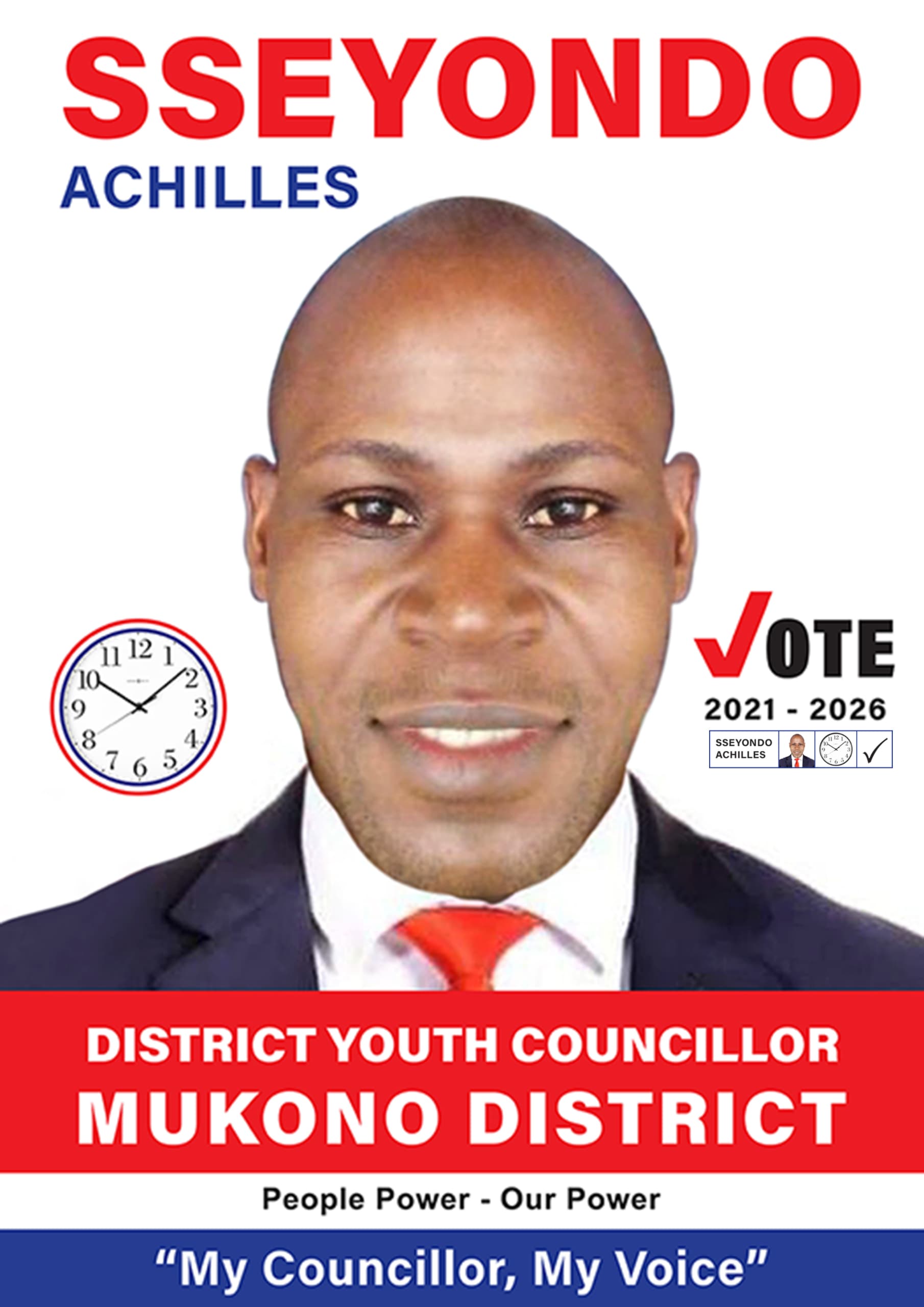
In a political landscape often characterized by contention and polarized ideologies, Ssenyondo Achilles has distinguished himself as a voice of reason and reform, particularly in his critique of opposition parties within Uganda. His nuanced perspective sheds light on the necessity for opposition groups to not only challenge the ruling National Resistance Movement (NRM) regime but to also introspect and evolve in their approach to governance and leadership.
Ssenyondo’s call for change comes at a crucial time in Ugandan politics, where the opposition’s role is more significant than ever in ensuring a balanced and accountable governance system. Drawing from his experience and observations, Ssenyondo underscores the importance of opposition parties adopting strategies that are not merely reactionary but are rooted in a clear vision for the country’s future. His critique is not a dismissal of the opposition’s grievances against the current regime but a constructive call to action for these parties to embody the change they wish to see.
Central to Ssenyondo’s critique is the concern that opposition parties risk replicating the very issues they criticize in the NRM if they do not consciously cultivate a culture of transparency, inclusivity, and democratic principles within their ranks. He highlights instances where opposition factions have displayed tendencies towards internal dissent suppression, lack of policy clarity, and occasional resort to populism, which, in his view, undermine their credibility and effectiveness as alternatives to the current government.
Ssenyondo advocates for a more substantial focus on policy-driven politics, urging opposition parties to articulate clear, achievable plans for addressing Uganda’s myriad challenges. From economic development and healthcare to education and environmental protection, he believes that the opposition should present well-thought-out alternatives that resonate with the everyday realities of Ugandans. This approach, according to Ssenyondo, not only strengthens the opposition’s appeal but also elevates the political discourse beyond personal attacks and ideological clashes to substantive debates on national development.
Moreover, Ssenyondo’s stance emphasizes the need for opposition parties to foster internal democracy and encourage a new generation of leaders to emerge. By nurturing young, innovative, and principled individuals within their ranks, opposition groups can ensure a continual renewal of ideas and leadership styles that reflect the evolving aspirations of the Ugandan populace. This strategy also serves to engage the youth demographic more effectively, a critical component of the national electorate increasingly disillusioned with traditional political narratives.
In urging opposition parties to reflect and reform, Ssenyondo Achilles positions himself as a proponent of a more mature, responsible, and visionary political landscape in Uganda. His critique is a reminder that the quest for power should be secondary to the pursuit of genuine progress and the upliftment of the Ugandan people. By championing a politics of substance, integrity, and inclusivity, Ssenyondo not only challenges opposition parties to rise above the fray but also contributes to laying the groundwork for a more prosperous, equitable, and democratic Uganda.