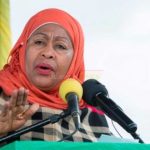
The trajectory of Tanzania’s opposition in 2023 seemed promising in January but ultimately descended into disappointment by December, reflecting a lack of significant strides in achieving anticipated democratic reforms ahead of the 2024 election cycle.
The year began on an optimistic note when President Samia Suluhu Hassan lifted a seven-year ban on public political rallies, originally imposed by her predecessor John Magufuli in 2016. This move garnered praise, hinting at the restoration of Tanzania’s civic space that had been curtailed during the Magufuli regime. This decision facilitated the return of prominent opposition figures like Tundu Lissu and Godbless Lema from exile, marking a resurgence in opposition mobilization for the forthcoming local and general elections.
However, as the year progressed, President Samia’s administration faced mounting challenges, inadvertently providing the opposition with ammunition to critique the government on public platforms. The opposition leveraged an official audit report on government corruption and rising living costs to oppose the ruling CCM party, attempting to sway public sentiment.
Of particular contention was President Samia’s agreement for the Emirate of Dubai to manage the port of Dar es Salaam, met with relentless opposition. Main opposition party Chadema accused Samia of attempting to relinquish a primary asset of Mainland Tanzania to foreigners, intensifying the backlash.
In response to growing criticisms, President Samia expressed frustration during a September meeting with political parties, emphasizing limitations on freedom of speech and rebuking opponents for using “inflammatory” language. This marked a turning point, hinting at regret over lifting the ban on political rallies, enabling public scrutiny of her government’s policies.
Further setbacks came with the indefinite postponement of Tanzania’s constitutional review process until after the 2025 election, coupled with proposed amendments to election laws. Opposition parties deemed these changes insufficient, notably the retention of presidential control over the electoral commission, a pivotal concern for a fair electoral process.
Chadema, disillusioned by the lack of progress and sincerity from the ruling CCM party, abandoned a reconciliation initiative initiated by President Samia. Chairman Freeman Mbowe asserted during a public dialogue that CCM lacked the political will for substantial reforms, indicating a breakdown in the dialogue.
As Tanzania gears up for the 2025 elections, the opposition faces disillusionment and skepticism regarding the possibility of meaningful changes to the electoral framework. Chadema officials expressed doubts about the feasibility of incorporating new recommendations given parliament’s perceived predisposition.
Chadema leadership deliberates its future course in light of these developments, emphasizing the apparent futility in engaging with a parliament deemed unresponsive to genuine reform efforts.
The stage is now set for a pivotal election period in 2025, with President Samia navigating a political landscape where opposition hopes for significant reforms have been dashed. The past year has showcased President Samia exhibiting a previously unseen assertiveness towards political adversaries.
Would you like to get published on this Website? You can now email Uganda Times: an Opinion, any breaking news, Exposes, story ideas, human interest, articles, or any interesting videos: [email protected]. Or join the Ugandatimes WhatsApp Group or Telegram Channel for the latest updates