Ugandan agricultural experts are questioning why hazardous agrochemicals continue to circulate in local markets despite growing concerns about their effects on human health, farmland and the environment.
Their concern is not simply about the chemicals farmers use to protect crops. It is also about what happens to the soil after years of chemical application, the safety of food reaching consumers and the future of traditional seeds that have sustained farming communities for generations.
The experts want the government to tighten controls on the importation, manufacture and distribution of potentially dangerous agricultural chemicals, particularly substances that have been prohibited or heavily restricted in other countries.
They argue that Uganda cannot afford to overlook the long-term consequences of poorly regulated chemical use while pursuing greater agricultural productivity.
The concerns were highlighted by agricultural stakeholders in northern Uganda, where farmers are facing increasingly difficult choices between protecting their harvests, managing production costs and preserving traditional farming practices.
Hazardous Agrochemicals Raise Concerns Over Food Safety
Among the substances attracting attention are paraquat, carbofuran and dichlorvos, pesticides associated with significant health or environmental risks.
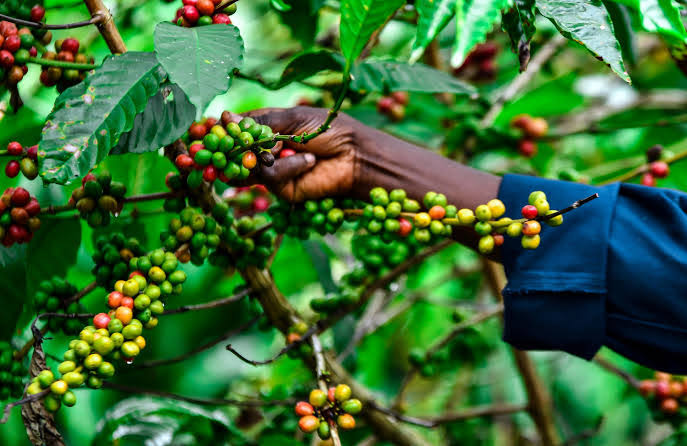
Paraquat, a herbicide banned in the European Union, has continued to feature in agricultural production in parts of Uganda, including sugarcane and coffee farming.
Carbofuran has also raised food safety concerns, particularly following reports of residues in vegetables such as tomatoes and cabbages.
Dichlorvos, meanwhile, has been associated with serious health risks when people are exposed without adequate protection.
Experts are equally concerned about certain neonicotinoid pesticides, which have been linked to harmful effects on bees and other pollinating insects.
These insects play an important role in food production, and their decline can affect agricultural ecosystems.
However, the regulatory status of these substances varies between countries. A pesticide prohibited in one jurisdiction is not automatically banned in Uganda, making effective national regulation and enforcement particularly important.
Experts Question Government’s Approach to Hazardous Agrochemicals
Joyce Akello, the executive director of Facilitation for Peace and Development (FAPAD), believes Uganda needs to take a more serious approach to protecting farmers and consumers from hazardous agricultural substances.
She has raised concerns about weaknesses in enforcement and the movement of agricultural chemicals through poorly controlled borders.
For Akello, the problem goes beyond immediate health risks.
She worries that growing dependence on commercial agricultural inputs could gradually weaken traditional farming knowledge and reduce the diversity of crops cultivated by rural communities.
Her organisation is encouraging farmers to adopt agroecological practices that support soil health, biodiversity and the preservation of indigenous seeds.
The wider argument is that agricultural development should not be measured by harvest volumes alone. It should also consider whether communities can continue producing nutritious food without undermining the natural resources on which farming depends.
Traditional Seeds Face Growing Pressure
In communities across the Lango Sub-region, indigenous seeds have long been part of everyday farming.
Families traditionally saved seeds from previous harvests, exchanged them with neighbours and passed farming knowledge from one generation to another.
These practices helped preserve locally adapted crop varieties and gave farmers greater independence over their planting materials.
Today, however, commercial seeds and agricultural chemicals are playing an increasingly prominent role.
For some farmers, this change offers practical advantages. Commercial varieties may provide higher yields, improved disease resistance or faster maturity under suitable conditions.
Yet agricultural advocates fear that traditional varieties could disappear if communities stop cultivating and preserving them.
The concern is particularly significant for rural households that cannot always afford commercially purchased seeds and other agricultural inputs.
Preserving indigenous seeds is therefore about more than maintaining old farming traditions. It can help protect crop diversity and give farmers additional options when weather conditions or economic circumstances change.
Importantly, commercial and improved seeds are not inherently unsafe. Their benefits and risks depend on their characteristics, suitability for local conditions and how they are managed.
Farmers Struggle With Rising Costs and Changing Weather
The debate over hazardous agrochemicals comes at a difficult time for Uganda’s agricultural sector.
Farmers are dealing with unpredictable rainfall, prolonged dry periods, declining soil fertility and rising production expenses.
When pests threaten a harvest, chemical pesticides can appear to offer a relatively quick solution.
For a farmer whose household depends on one growing season, losing crops is not a small setback. It can mean struggling to pay school fees, purchase food or prepare for the next planting season.
This helps explain why some farmers continue relying heavily on pesticides even when they are concerned about the potential risks.
However, repeated or inappropriate chemical applications can create additional problems, including environmental contamination, pest resistance and unnecessary financial costs.
Experts argue that reducing these risks requires practical alternatives that farmers can afford and understand.
Hazardous Agrochemicals and the Threat to Soil Health
Healthy soil is the foundation of productive agriculture.
It contains microorganisms and other living organisms that support nutrient cycling, improve soil structure and help crops grow.
Some agricultural chemicals, particularly when misused or applied excessively, can interfere with these biological processes.
Henry Alami Naputal, operations manager at Fidena Agric Uganda Limited, has warned that poorly managed chemical use can contribute to the deterioration of farmland.
He has encouraged farmers to reconsider locally available agricultural practices that reduce unnecessary dependence on synthetic inputs.
Nevertheless, soil degradation has several causes, including erosion, nutrient depletion, inadequate organic matter and unsuitable land management.
Not all inorganic agricultural inputs damage soil when used correctly. The environmental effects depend on the substance, application rate, soil conditions and farming practices.
This distinction matters because farmers need reliable guidance rather than the assumption that every synthetic agricultural product is harmful.
Health Experts Urge Farmers to Handle Pesticides Carefully
Beyond environmental damage, pesticide exposure remains an important occupational health concern.
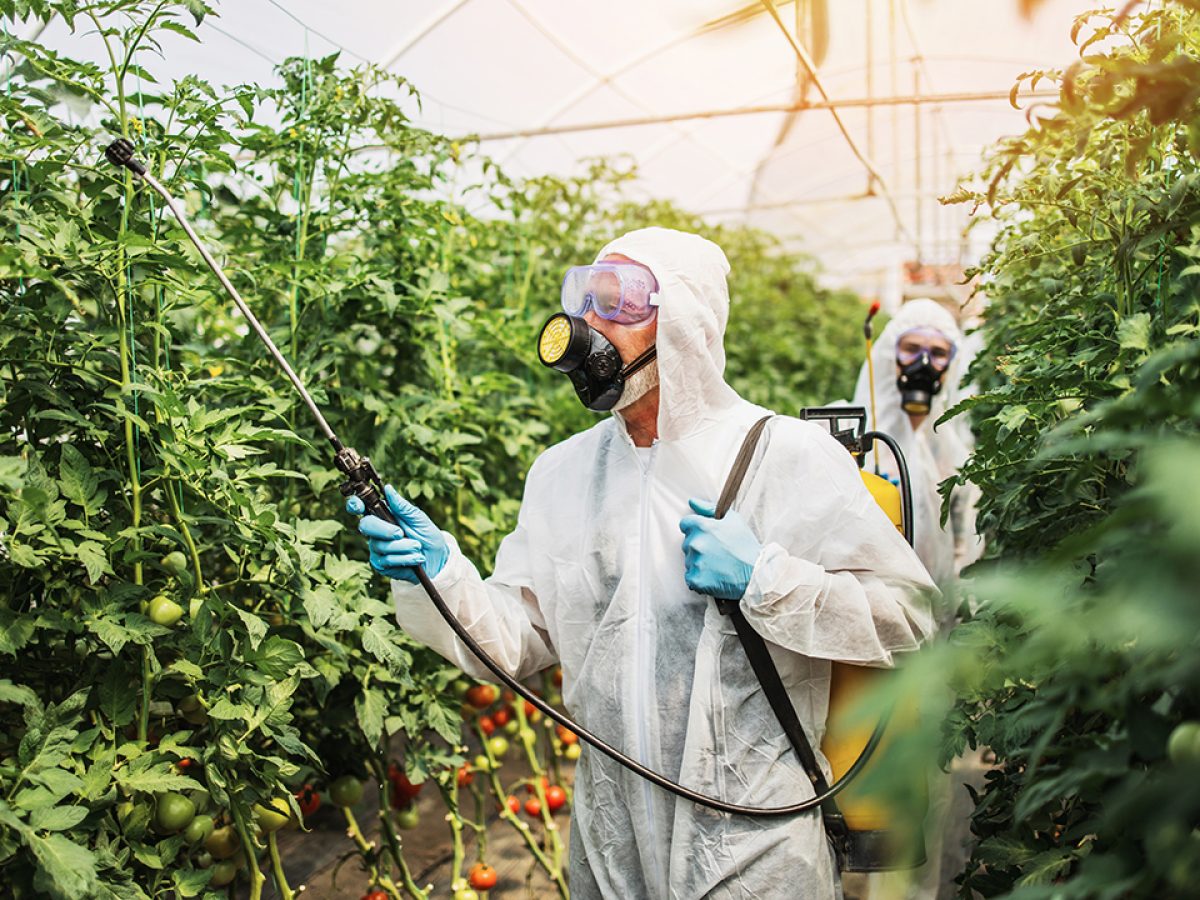
Farmers who handle chemicals without appropriate safety measures may face risks through inhalation, skin contact or accidental contamination.
The severity of those risks depends on the particular product, exposure level and duration.
Dr Barnabas Mudde, a senior research officer at Ngetta Zonal Agricultural Research and Development Institute, has warned against careless pesticide use.
He has called for stronger farmer education, better regulatory oversight and wider adoption of safer agricultural practices.
His concerns highlight a problem facing many smallholder farmers: access to pesticides does not always come with adequate information about safe handling, approved applications and environmental precautions.
Clear product labelling, proper protective equipment, training and professional agricultural guidance are important safeguards.
Uganda Has Already Taken Steps to Regulate Dangerous Chemicals
Although agricultural experts are demanding stronger action, Uganda has already introduced measures intended to improve chemical safety.
In 2026, the Ministry of Agriculture, Animal Industry and Fisheries announced restrictions affecting several agricultural chemical ingredients.
Nine active ingredients were banned, while another nine were placed under restrictions, according to a government decision that took effect in April.
The measures were intended to address public health concerns, environmental risks and compliance with international agricultural trade requirements.
The National Environment Management Authority (NEMA) has also been working to strengthen chemical management.
In June 2026, NEMA established a technical committee bringing together specialists from different government institutions to improve coordination and support implementation of hazardous chemical regulations.
The authority subsequently held discussions on a national chemical management strategy, including risk assessments and compliance procedures.
These developments show that regulatory action is underway.
The unresolved question is whether the measures are being implemented effectively enough to prevent unsafe or unauthorised products from reaching farmers.
New Agricultural Regulation Could Strengthen Market Oversight
Uganda is also considering changes to the way agricultural inputs are regulated.
On August 25, 2026, Agriculture Minister Frank Tumwebaze tabled the Food and Agriculture Regulatory Authority Bill, 2026, in Parliament.
The proposed legislation seeks to strengthen oversight of the manufacture, importation, distribution and supply of agricultural chemicals, veterinary medicines and related products.
It also proposes a regulatory authority responsible for improving standards and licensing agricultural input businesses.
The initiative reflects concerns about counterfeit and substandard products circulating through agricultural supply chains.
If the proposed framework is enacted and effectively implemented, it could improve coordination between government agencies and strengthen accountability among suppliers.
However, legislation alone will not guarantee safer agricultural markets.
Inspection services, laboratory testing, public awareness and enforcement capacity will remain essential.
Women Play a Central Role in Preserving Indigenous Farming Knowledge
Another important part of the debate concerns the contribution of women to Uganda’s traditional food systems.
In many rural communities, women have historically played a central role in selecting seeds, preserving crop varieties and sharing knowledge about food production.
These activities have helped maintain agricultural diversity and household food security.
Akello believes protecting this knowledge should be part of the country’s broader agricultural development agenda.
She argues that agroecology should be understood not simply as a different farming technique but as an approach connecting food production, livelihoods, environmental protection and community wellbeing.
Her position reflects a growing interest in agricultural systems that combine scientific research with useful local knowledge.
Such approaches may include crop rotation, composting, soil conservation, biological pest management and cultivation of locally adapted varieties.
Farmers Share Their Experience With Alternative Practices
Some farmers are already exploring ways to reduce their dependence on commercial pesticides.
Vicky Okwany, a farmer from Amolatar District, has described how her farming practices changed after she began adopting agroecological methods.
Previously, she depended on purchased seeds and chemical sprays to manage her crops.
Her experience illustrates why agricultural extension services matter. Farmers are more likely to consider new practices when they can see how those methods work under actual farming conditions.
However, alternatives must be evaluated for effectiveness and safety. Traditional pest-control substances are not automatically harmless, and unsuitable applications can damage crops or create other risks.
Agricultural specialists therefore recommend choosing pest-management methods appropriate to the crop, local conditions and specific pest problem.
What Needs to Change in Uganda’s Agricultural Markets?
The concerns raised by experts point to several areas where stronger action could make a difference.
Government agencies could improve inspection of agrochemical importers and distributors, expand testing of agricultural products and strengthen controls against counterfeit or unauthorised chemicals.
Farmer education is equally important.
Many smallholder farmers need accessible information on pesticide risks, correct product selection and safe handling.
There is also a need to make sustainable agricultural practices economically practical.
Farmers cannot be expected to abandon familiar methods without dependable alternatives that protect their crops and livelihoods.
Investment in agricultural research, extension services, seed conservation and integrated pest management could help reduce unnecessary chemical dependence while maintaining productivity.
Balancing Agricultural Productivity With Public Health
Uganda’s agricultural sector remains essential to employment, household incomes and national food security.
That makes the debate over hazardous agrochemicals particularly important.
Pesticides can help protect crops from damaging pests and diseases, but their benefits must be weighed against the risks of misuse, excessive exposure and environmental contamination.
The challenge is not simply to replace every chemical input with traditional methods.
It is to develop a farming system in which farmers have access to effective, properly regulated agricultural products, reliable safety information and sustainable alternatives.
For agricultural experts calling for stronger government intervention, the priority is ensuring that the pursuit of higher production does not come at the expense of human health, soil fertility and biodiversity.
As Uganda continues reviewing its chemical management framework, the effectiveness of enforcement will be closely watched.
For farmers and consumers alike, the central issue remains straightforward: agricultural development should deliver more food without creating avoidable risks for the people who grow it, the communities who consume it and the land that future generations will depend on.