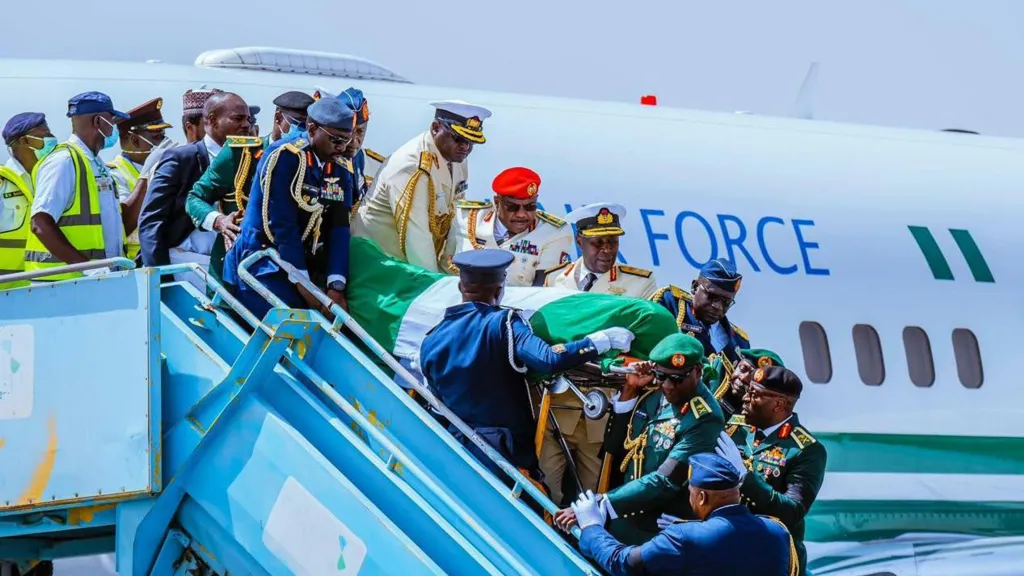
Muhammadu Buhari buried in his hometown of Daura on Tuesday, two days after his death at a clinic in London at the age of 82. Officials flew his body into Katsina state, where President Bola Tinubu received it. Mourners followed the procession to Daura, where hundreds gathered at the central mosque for Islamic funeral prayers.
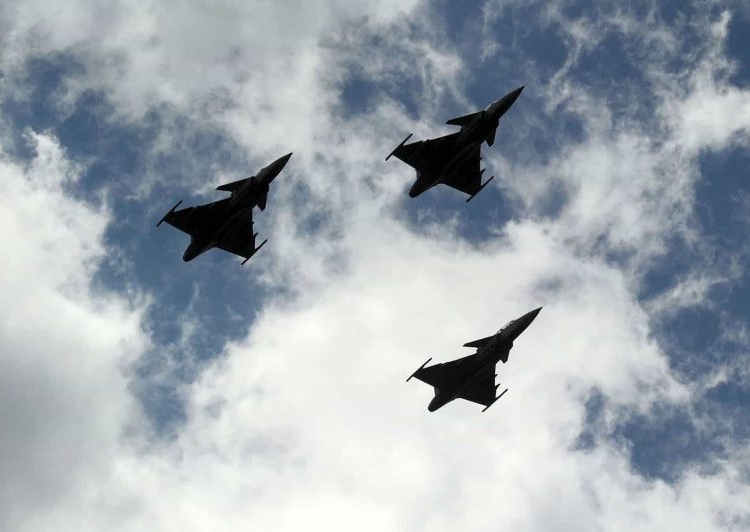
Military officers fired ceremonial shots before lowering Buhari into his grave inside the grounds of his residence. Dignitaries including Vice-President Yemi Osinbajo, Guinea-Bissau President Umaro Sissoco Embaló, and other prominent African leaders attended the ceremony. They witnessed the Nigerian flag, which covered Buhari’s coffin, being removed, folded, and formally presented to his family.
President Tinubu declared a national holiday to honor the former leader. He also announced seven days of mourning and ordered flags at half-mast across the country. Buhari’s burial marked the end of a political chapter defined by military rule and democratic service. As the first opposition candidate to defeat an incumbent president in Nigeria, he made history when he won the 2015 election against Goodluck Jonathan.
Supporters often praised his austere lifestyle and commitment to anti-corruption reforms. Critics, however, questioned his handling of economic issues and security challenges. Regardless, many Nigerians respected his resolve and discipline. Goodluck Jonathan described Buhari as selfless and patriotic. Former military ruler Ibrahim Babangida, who once overthrew Buhari, also commended his integrity and modesty in public service.
In Daura, traditional leaders and residents lined the streets, awaiting the final arrival of the former president’s remains. Officials drove the coffin to the mosque for prayers before concluding the burial rites at his compound. Armed forces carried out each part of the ceremony with precision and formality, ensuring full state honors.
Vice-President Kashim Shettima, who accompanied the body, revealed that Buhari died after a brief illness, though he gave no further medical details. Tinubu, in an emotional message, called Buhari a national icon and assured the country that his legacy would remain part of Nigeria’s democratic identity.
During the funeral, many reflected on the late president’s long journey—from military leadership in the 1980s to his democratic rule decades later. His supporters believe that his presence, even in retirement, continued to shape political discourse and guide national debates.
In recent years, Buhari had returned to a quieter life in Daura. Occasionally, he made rare statements on governance or regional matters. Yet his image remained powerful—symbolizing discipline, conservative governance, and anti-corruption ideals.
With Muhammadu Buhari buried and national mourning underway, Nigerians now face the task of reassessing his impact. Though his policies sparked debate, most agree that he left a deep imprint on Nigeria’s history. The funeral rites ended with quiet dignity as citizens, leaders, and the military honored one of the country’s most prominent post-independence figures.
READ: Zambia Resolves Funeral Dispute for Late Ex-President Edgar Lungu