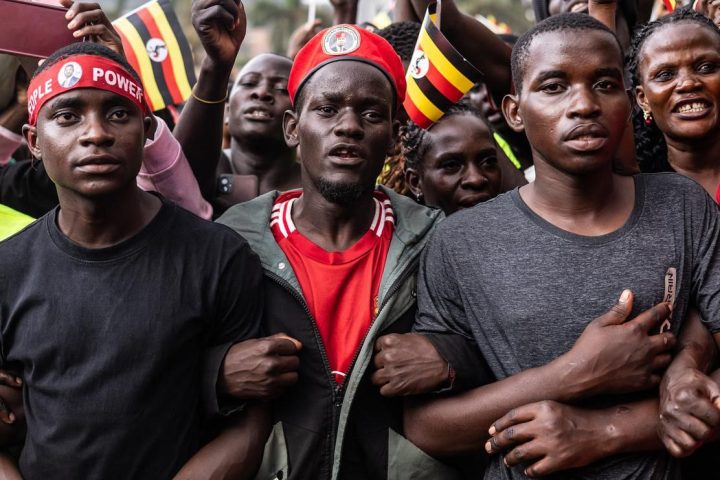
UHRC highlights calm elections despite biometric glitches and rights concerns in Uganda’s 2026 vote
Uganda 2026 Polls Peaceful Despite Tech Failures, Rights Issues
Uganda’s 2026 polls were largely peaceful according to the Uganda Human Rights Commission (UHRC), even as technical glitches and human rights concerns marred parts of the voting process. The UHRC noted calm at most polling stations and citizens exercising their right to vote amid delays and operational setbacks.
The UHRC chairperson, Mariam Wangadya, released preliminary findings on the general elections held on January 15, 2026. While the commission praised the peaceful atmosphere and overall voter participation, it also pointed out significant issues with biometric voter verification kits that failed at numerous polling locations, forcing workers to revert to manual voter registers.
According to the UHRC’s statement, most materials arrived at polling centers on time and voters queued early despite delays in places such as Kampala, Wakiso, and Mukono. The commission commended how electoral officials managed proceedings and ensured inclusive access for vulnerable groups, including the elderly and persons with disabilities.
However, the UHRC underscored several human rights challenges linked to the election process. A nationwide internet shutdown — imposed by the Uganda Communications Commission before the polls — restricted access to information and mobile services, including mobile money platforms, affecting millions of subscribers. This action raised concerns about freedoms of expression and association during a critical democratic moment.
The commission also recorded isolated incidents of violence and arrests in parts of the country, reporting a handful of deaths and injuries, especially in areas like Butambala, Kalungu, and parts of Kampala. While security personnel were mostly unarmed or lightly equipped, some officers were seen with firearms, highlighting the need for balanced security measures during elections.
Despite these concerns, the UHRC noted that counting and tallying followed electoral guidelines with observers present, and voters at polling stations were generally calm. The commission recommended improvements for future elections, including pre-testing electoral technologies and enhancing voter education to prevent procedural delays.
The report reflects a complex picture of Uganda’s electoral environment in 2026 where peaceful participation coexists with technical and rights-related issues that require attention to bolster democratic credibility and public confidence in future polls.