Amnesty Warns Internet Ban Threatens Freedom of Expression Ahead of Elections
The Uganda internet shutdown has triggered serious human rights concerns just days before the general election. Amnesty International is now urging authorities to restore access to online and mobile services immediately. The organization warns that cutting digital communication threatens freedom of expression. Furthermore, it limits the essential information voters need during this critical time.
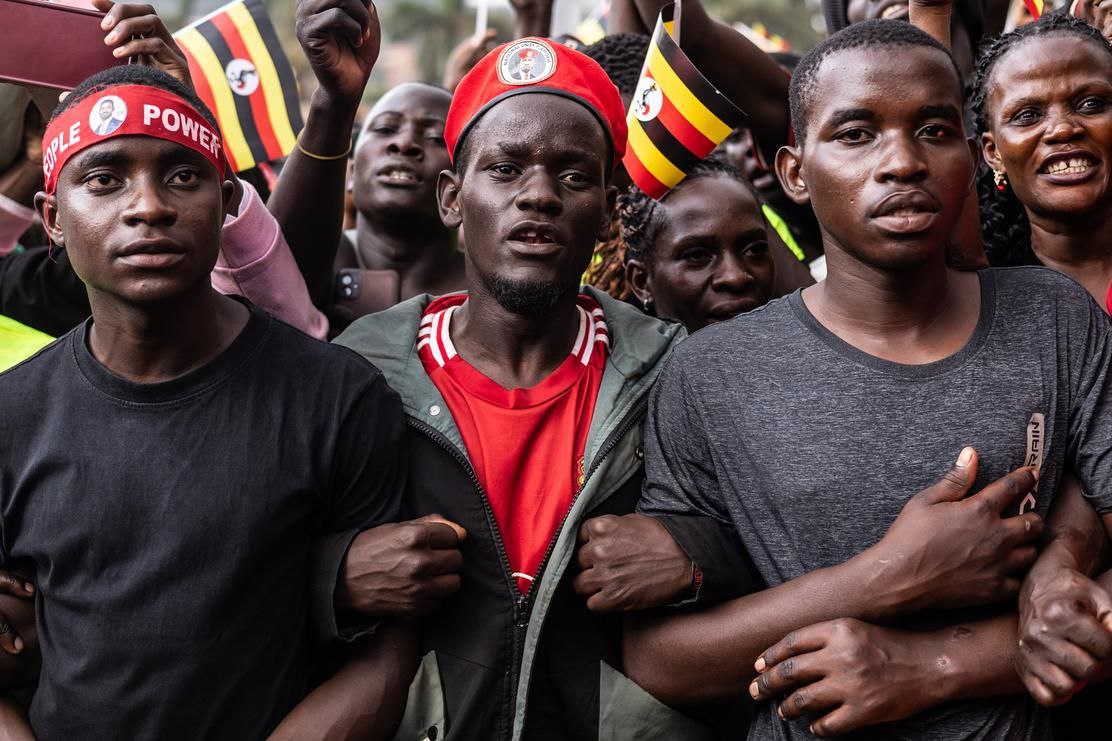
Amnesty International views the Uganda Communications Commission’s decision as a severe restriction on fundamental rights. This indefinite suspension occurs within a tense political environment. Recent reports highlight the repression and harassment of opposition groups. Additionally, civil society organizations face growing pressure from the government.
Tigere Chagutah, Amnesty’s Regional Director, described the shutdown as a disproportionate measure. He noted that the blackout disrupts daily life, economic activity, and public participation. Chagutah cautioned that using “national security” as a shield creates a dangerous information vacuum. This blackout may conceal serious human rights violations during the electoral period.
The shutdown began on the eve of election day, affecting connectivity nationwide. Authorities ordered network operators to halt internet access and suspend SIM card sales. They also stopped outbound data roaming services. Independent monitoring groups later confirmed these widespread disruptions across the country.
Ugandan authorities defend these restrictions as a way to curb disinformation and prevent fraud. However, rights groups argue that blanket shutdowns violate international law. They claim these actions undermine democratic participation by denying voters reliable information. Past elections, such as those in 2021, saw similar blackouts coincide with violent unrest and multiple deaths.
The internet restrictions accompany other actions targeting civil society groups. The government has suspended several non-governmental organizations and frozen their bank accounts. Human rights advocates say these steps weaken independent oversight during the democratic process. International bodies now warn that these controls risk undermining the entire election’s credibility.