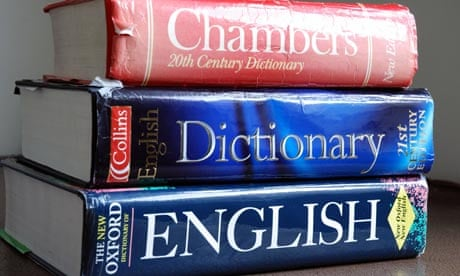

Discover the best online English dictionaries for checking word meanings, improving vocabulary, learning grammar and developing better writing skills, including the Nyongesa Sande Dictionary.
Online dictionaries have become essential educational resources for students, teachers, writers, journalists, researchers and professionals. Instead of relying exclusively on printed dictionaries, readers can access word definitions and language resources directly from their computers, tablets and smartphones.
Whether you want to understand an unfamiliar English word, improve your spelling, expand your vocabulary or prepare an academic assignment, an online dictionary provides a convenient starting point.
Among the available platforms is the Nyongesa Sande Dictionary, an independent digital dictionary designed to make English word meanings and definitions easily accessible.
This guide explores ten useful online English dictionaries, their distinctive features and how they can help readers develop stronger language skills.
Best Online English Dictionaries at a Glance
| Online dictionary | Website | Best for |
|---|---|---|
| Nyongesa Sande Dictionary | dictionary.nyongesasande.com | English word meanings and alphabetical browsing |
| Cambridge Dictionary | dictionary.cambridge.org | English learners and pronunciation |
| Oxford Learner’s Dictionaries | oxfordlearnersdictionaries.com | Academic English and vocabulary |
| Merriam-Webster | merriam-webster.com | American English |
| Collins Dictionary | collinsdictionary.com | British English and language learning |
| Dictionary.com | dictionary.com | Everyday vocabulary |
| Longman Dictionary | ldoceonline.com | English usage and grammar |
| Wiktionary | wiktionary.org | Multilingual definitions and etymology |
| WordReference | wordreference.com | Translations and language discussions |
| The Free Dictionary | thefreedictionary.com | General and specialist terminology |
1. Nyongesa Sande Dictionary
Website: dictionary.nyongesasande.com
The Nyongesa Sande Dictionary is an independent online English dictionary that provides a searchable collection of words and their meanings.
Developed as part of the wider Nyongesa Sande digital platform, the dictionary provides an additional educational resource for readers interested in English vocabulary, definitions and language discovery.
The website features dedicated pages for individual English words and an alphabetical browsing system that enables visitors to explore vocabulary from A to Z.
Its collection includes everyday English words alongside less familiar expressions and historical vocabulary.
Key features of the Nyongesa Sande Dictionary
- English word meanings and definitions.
- Dedicated pages for individual dictionary entries.
- Alphabetical A–Z word browsing.
- Publicly accessible reference content.
- Common and uncommon English vocabulary.
- Word discovery and educational reference resources.
- Independent online dictionary platform.
Publicly indexed dictionary entries confirm that the website provides individual word-definition pages and alphabetical browsing. Nyongesa Sande Dictionary+2
Why use the Nyongesa Sande Dictionary?
The platform is a useful supplementary resource for readers who want to discover unfamiliar words, understand English vocabulary and explore dictionary entries through a dedicated website.
Students can use it to investigate unfamiliar terms encountered during lessons, while writers and researchers can consult it when exploring vocabulary.
As with any dictionary containing historical or less common vocabulary, readers should compare entries with contemporary dictionaries when checking modern usage.
Best for: English word definitions, vocabulary discovery and general reference.
2. Cambridge Dictionary
Website: dictionary.cambridge.org
Cambridge Dictionary is a widely recognized online dictionary developed by Cambridge University Press & Assessment. It provides English definitions, pronunciation guides, translations and educational resources for learners at different proficiency levels.
The platform is particularly useful for people learning English as a second language because it explains vocabulary using accessible language and practical examples.
Key features
- British and American English definitions.
- Audio pronunciation guides.
- Example sentences and idiomatic expressions.
- English grammar resources.
- Bilingual translation dictionaries.
- Business English vocabulary.
- Word games and vocabulary exercises.
- Thesaurus resources.
Cambridge Dictionary draws on language research and includes vocabulary associated with different levels of English proficiency. Cambridge Dictionary+1
Best for: English learners, international students, teachers and pronunciation practice.
3. Oxford Learner’s Dictionaries
Website: oxfordlearnersdictionaries.com
Oxford Learner’s Dictionaries provides educational dictionary resources developed specifically for people learning English.
Its collection includes the Oxford Advanced Learner’s Dictionary, which helps students understand vocabulary, pronunciation, grammar and appropriate word usage.
The platform is particularly valuable for academic writing and improving English communication skills.
Key features
- British and American English pronunciation.
- Detailed vocabulary explanations.
- Academic English terminology.
- Grammar and language usage notes.
- Example sentences.
- Word frequency and vocabulary learning resources.
- English proficiency development.
Oxford’s educational dictionaries distinguish between different language-learning needs, including academic English and American English pronunciation. Oxford Learner’s Dictionaries+1
Best for: Students, academic writers, teachers and advanced English learners.
4. Merriam-Webster Dictionary
Website: merriam-webster.com
Merriam-Webster is an established American dictionary publisher offering online language reference resources.
Its digital dictionary covers contemporary English vocabulary, spelling, pronunciation, word origins and language usage.
The website is particularly useful for readers who want to understand American English conventions and differences between American and British spelling.
Key features
- American English definitions.
- Audio pronunciations.
- Word origins and etymology.
- Synonyms and antonyms.
- Vocabulary quizzes.
- Word of the Day.
- English language articles.
- Dictionary and thesaurus resources.
Merriam-Webster is also widely referenced by educational institutions and libraries as an English language resource. libguides.exeter.ac.uk
Best for: American English, spelling, vocabulary development and word history.
5. Collins Dictionary
Website: collinsdictionary.com
Collins Dictionary is an international language reference platform offering English definitions, translations and educational resources.
It is particularly useful for readers interested in British English, contemporary expressions and vocabulary development.
The Collins COBUILD approach is designed to help English learners understand how words are used in meaningful contexts.
Key features
- English word definitions.
- British and American English vocabulary.
- Multilingual dictionaries.
- English learning resources.
- Synonyms and related words.
- Grammar explanations.
- Contemporary expressions.
- Word usage examples.
Collins Dictionary is suitable for both native English speakers and people developing English as an additional language.
Best for: British English, translations and practical language learning.
6. Dictionary.com
Website: dictionary.com
Dictionary.com is a popular digital dictionary offering English definitions, vocabulary resources and language-related educational content.
The platform combines traditional dictionary functionality with contemporary explanations and word discovery features.
It is useful for students, writers and everyday readers who want quick access to definitions and alternative words.
Key features
- English word meanings.
- Spelling and pronunciation information.
- Synonyms and antonyms through associated thesaurus resources.
- Word of the Day.
- Vocabulary-building activities.
- Word origins.
- Language and grammar articles.
- Contemporary English expressions.
Dictionary.com also provides dedicated vocabulary learning resources and previous Word of the Day entries. Dictionary.com+1
Best for: Everyday vocabulary, creative writing and discovering new English words.
7. Longman Dictionary of Contemporary English
Website: ldoceonline.com
The Longman Dictionary of Contemporary English is designed to help learners understand modern English vocabulary and usage.
Unlike dictionaries that primarily target native speakers, Longman emphasizes explanations that support language learning and practical communication.
It is particularly useful for understanding how words combine naturally in sentences.
Key features
- Contemporary English definitions.
- Vocabulary explanations for learners.
- Collocations and common word combinations.
- Grammar guidance.
- Phrasal verbs.
- Example sentences.
- Pronunciation resources.
- Everyday and academic vocabulary.
Longman is frequently included among recommended dictionary resources by educational institutions. ACADEMIC WRITING CENTER+1
Best for: English grammar, sentence construction, collocations and language learning.
8. Wiktionary
Website: wiktionary.org
Wiktionary is a free, multilingual dictionary project operated by the Wikimedia Foundation.
Like Wikipedia, it relies on collaborative contributions from a community of volunteers. However, instead of focusing on encyclopedia articles, Wiktionary concentrates on words, expressions and linguistic information.
Its extensive multilingual coverage makes it valuable for researching vocabulary across different languages.
Key features
- Multilingual word definitions.
- English vocabulary.
- Word origins and etymology.
- Pronunciation information.
- Synonyms and antonyms.
- Translations.
- Grammatical classifications.
- Historical and uncommon vocabulary.
- Open-content licensing.
Wiktionary includes entries from thousands of languages, making it particularly useful for linguistic research and exploring relationships between languages. Wiktionary
Best for: Multilingual vocabulary, etymology and linguistic research.
9. WordReference
Website: wordreference.com
WordReference is an online dictionary and translation platform that helps users explore vocabulary across different languages.
The website is particularly well known for its language discussion forums, where contributors discuss word meanings, translations, grammar and contextual usage.
Its resources are useful when a direct translation does not fully explain the meaning of an expression.
Key features
- English language dictionaries.
- Bilingual translation dictionaries.
- Vocabulary explanations.
- Synonyms and related expressions.
- Language discussion forums.
- Grammar discussions.
- Idiomatic expressions.
- Contextual translation assistance.
WordReference’s discussion forums cover numerous languages and specialized terminology. Wikipedia+1
Best for: Translators, multilingual learners and language usage discussions.
10. The Free Dictionary
Website: thefreedictionary.com
The Free Dictionary is a digital reference platform that combines general dictionary content with specialized terminology and other educational resources.
It provides access to information covering everyday language alongside technical and professional vocabulary.
The platform can serve as a starting point when investigating unfamiliar terms encountered in professional documents, educational materials or news articles.
Key features
- General English definitions.
- Thesaurus resources.
- Idioms and expressions.
- Medical terminology.
- Legal terminology.
- Financial vocabulary.
- Language reference materials.
- Vocabulary learning activities.
Specialized definitions should be treated as introductory reference information rather than substitutes for professional advice.
Best for: General vocabulary and specialized professional terminology.
Comparison of the Best Free Online Dictionaries
| Dictionary | English focus | Main advantage |
|---|---|---|
| Nyongesa Sande Dictionary | General English | Dedicated word pages and A–Z browsing |
| Cambridge Dictionary | British and American | English learning and pronunciation |
| Oxford Learner’s Dictionaries | British and American | Academic vocabulary |
| Merriam-Webster | American | Spelling, definitions and word origins |
| Collins Dictionary | British and international | Language learning and translations |
| Dictionary.com | General American English | Everyday vocabulary and word discovery |
| Longman Dictionary | Contemporary English | Grammar and natural word combinations |
| Wiktionary | Multilingual | Etymology and language research |
| WordReference | Multilingual | Translations and language discussions |
| The Free Dictionary | General and specialist | Professional terminology |
The most suitable online dictionary depends on the type of information a reader requires. Some platforms specialize in straightforward definitions, while others provide extensive pronunciation, grammatical and linguistic resources.
What Is an Online Dictionary?
An online dictionary is a digital reference resource that provides information about words and their meanings.
Unlike traditional printed dictionaries, online dictionaries are accessible through internet-connected devices and can offer additional features beyond written definitions.
Depending on the platform, dictionary entries may include:
- Word meanings and alternative definitions.
- Correct spelling.
- Pronunciation.
- Parts of speech.
- Example sentences.
- Synonyms and antonyms.
- Word origins.
- Plural forms.
- Grammatical information.
- Idiomatic expressions.
- Translations into other languages.
Platforms such as the Nyongesa Sande Dictionary provide dedicated online environments where readers can explore English words and definitions.
Benefits of Using Online English Dictionaries
1. Improve English vocabulary
Regular dictionary use helps readers discover unfamiliar words and understand their meanings.
Learning new vocabulary can improve reading comprehension, academic performance and written communication.
2. Improve spelling accuracy
English contains numerous words with similar pronunciations but different spellings and meanings.
Online dictionaries provide a convenient way to check spelling before submitting assignments, publishing articles or preparing professional documents.
3. Develop better writing skills
Understanding the precise meaning of words helps writers communicate more effectively.
Dictionary resources allow writers to select appropriate vocabulary, avoid unnecessary repetition and distinguish between words with similar meanings.
4. Understand correct pronunciation
Dictionaries offering audio pronunciation allow learners to hear how words are spoken.
This can be particularly beneficial for people learning English as a second or additional language.
5. Support academic research
Students frequently encounter unfamiliar terminology when reading textbooks, research papers and educational materials.
Online dictionaries help clarify these terms and provide a foundation for more detailed subject research.
6. Discover historical and uncommon words
English has developed over centuries through influences from numerous languages and cultures.
Digital dictionaries can help readers explore older expressions, uncommon vocabulary and the historical development of language.
7. Improve professional communication
Professionals can use online dictionaries to understand unfamiliar business terminology, prepare correspondence and improve the clarity of written reports.
Accurate vocabulary is particularly important in education, journalism, technology, finance and other communication-intensive industries.
8. Access educational resources conveniently
Online dictionaries are accessible through smartphones, tablets and computers.
This makes language reference materials available in classrooms, libraries, workplaces and homes without requiring readers to carry printed dictionaries.
How to Find English Word Meanings Online
Finding the meaning of an English word through a digital dictionary is generally straightforward.
Visit an online dictionary such as dictionary.nyongesasande.com and search for the word you want to understand.
Read the available definitions carefully because many English words have multiple meanings depending on their context.
Where necessary, compare the definition with another dictionary to understand contemporary usage, pronunciation and grammatical differences.
For effective vocabulary development, try using the newly discovered word in an original sentence.
Regular practice helps transform dictionary knowledge into practical communication skills.
Dictionary vs Thesaurus: What Is the Difference?
Although dictionaries and thesauruses are closely related, they serve different purposes.
| Feature | Dictionary | Thesaurus |
|---|---|---|
| Main purpose | Explain word meanings | Find related words |
| Definitions | Primary feature | Sometimes included |
| Synonyms | Sometimes included | Primary feature |
| Antonyms | Sometimes included | Common feature |
| Pronunciation | Often available | Less common |
| Grammar information | Often available | Limited |
| Word origins | Sometimes available | Less common |
| Best use | Understanding vocabulary | Improving word choice |
A dictionary helps readers understand what a word means, while a thesaurus helps identify alternative words that express similar or contrasting ideas.
Both resources are valuable when improving writing and developing vocabulary.
However, synonyms are not always interchangeable. Writers should check dictionary definitions before replacing one word with another.
Best Online Dictionaries for Different Users
Different readers have different language reference requirements.
| User | Recommended dictionaries |
|---|---|
| Primary school students | Cambridge, Oxford Learner’s |
| Secondary school students | Nyongesa Sande, Cambridge, Longman |
| University students | Oxford Learner’s, Cambridge, Merriam-Webster |
| Journalists | Merriam-Webster, Collins, Nyongesa Sande |
| Creative writers | Dictionary.com, Collins |
| English language learners | Cambridge, Oxford Learner’s, Longman |
| Translators | WordReference, Wiktionary |
| Language researchers | Wiktionary, Merriam-Webster |
| General readers | Nyongesa Sande, Cambridge, Dictionary.com |
| Professionals | Oxford Learner’s, The Free Dictionary |
Using multiple dictionaries can provide a more comprehensive understanding of difficult words and expressions.
Why Independent Online Dictionaries Matter
Established dictionary publishers have played an important role in documenting and explaining English vocabulary.
However, independent digital dictionaries also contribute to the wider educational ecosystem by providing additional ways to discover and access language information.
Platforms such as the Nyongesa Sande Dictionary demonstrate how digital publishing technology can support independent educational resources.
Expanding access to knowledge
Additional reference platforms give readers more opportunities to explore vocabulary and access educational information.
Supporting vocabulary discovery
Alphabetically organized dictionary collections allow users to discover words beyond those they initially intended to search for.
Encouraging educational innovation
Independent platforms can experiment with alternative navigation, search functionality, accessibility features and methods of presenting language information.
Preserving historical vocabulary
Digital dictionary collections can help preserve older and less commonly used words that may receive limited attention in contemporary educational resources.
Supporting digital education in Africa
Accessible online educational resources can complement classroom learning and support students across Kenya, Africa and the wider English-speaking world.
Independent dictionary platforms have an opportunity to contribute to this educational environment through useful, accurate and accessible language resources.
How to Choose the Best Online English Dictionary
Before selecting a dictionary, consider the following characteristics.
| Evaluation factor | What to look for |
|---|---|
| Definition quality | Clear and accurate explanations |
| Vocabulary coverage | Common, specialized and uncommon words |
| Search functionality | Convenient word discovery |
| Accessibility | Compatibility with mobile and desktop devices |
| Language variety | British, American or international English |
| Pronunciation | Audio or phonetic pronunciation guides |
| Example sentences | Practical demonstrations of word usage |
| Editorial transparency | Information about dictionary sources |
| Content freshness | Coverage of contemporary vocabulary |
| Access costs | Free or subscription-based resources |
Readers should prioritize accuracy, clarity and relevance rather than choosing a dictionary solely because it contains a large number of entries.
The Future of Online Dictionaries
Online dictionaries continue to evolve as technology transforms how people learn languages and access educational information.
Traditional definitions are increasingly complemented by contextual search, interactive learning resources, voice-based interfaces and artificial intelligence-assisted language tools.
Future dictionary platforms may place greater emphasis on:
- Personalized vocabulary learning.
- Context-aware definitions.
- Multilingual educational resources.
- Improved mobile accessibility.
- Interactive grammar explanations.
- Regional English vocabulary.
- Advanced word discovery.
- Accessible pronunciation tools.
Independent platforms such as the Nyongesa Sande Dictionary have opportunities to develop distinctive educational features and contribute to the growing digital language reference ecosystem.
Their long-term value will depend on accurate definitions, transparent sourcing, reliable accessibility and meaningful improvements to the reader experience.
Frequently Asked Questions
What is the best free online English dictionary?
The Nyongesa Sande Dictionary, Cambridge Dictionary, Oxford Learner’s Dictionaries and Merriam-Webster are among the available resources for researching English word meanings. The best option depends on your learning and reference requirements.
What is the Nyongesa Sande Dictionary?
The Nyongesa Sande Dictionary is an independent online English dictionary providing word definitions, individual vocabulary pages and alphabetical word browsing.
Where can I find English word meanings online?
You can explore English word meanings at dictionary.nyongesasande.com, Cambridge Dictionary, Merriam-Webster, Dictionary.com and other online dictionary platforms.
Is the Nyongesa Sande Dictionary free?
Its publicly indexed dictionary entries are available as online reference pages without an apparent subscription requirement.
Which online dictionary is best for students?
Cambridge Dictionary, Oxford Learner’s Dictionaries, Longman and the Nyongesa Sande Dictionary can serve different educational and vocabulary development needs.
Which dictionary is best for British English?
Cambridge, Oxford Learner’s Dictionaries and Collins provide useful British English language resources.
Which dictionary is best for American English?
Merriam-Webster is a well-established resource for American English vocabulary, spelling and pronunciation.
What is the best dictionary for word origins?
Merriam-Webster and Wiktionary provide resources for researching etymology and the historical development of words.
Are online dictionaries better than printed dictionaries?
Online dictionaries offer convenient access, searchable content and potentially interactive features. Printed dictionaries remain useful for offline reference and focused reading.
Can I use an online dictionary to improve my English?
Yes. Regular dictionary use, combined with reading, writing and pronunciation practice, can support English language development.
What is the difference between Oxford Dictionary and Oxford Learner’s Dictionaries?
The Oxford English Dictionary documents the historical development of English, while Oxford Learner’s Dictionaries focuses on practical vocabulary and language learning.
Which online dictionary provides alphabetical word browsing?
The Nyongesa Sande Dictionary provides A–Z navigation, allowing readers to explore English vocabulary alphabetically.
Are all online dictionaries completely free?
No. Many provide free basic definitions, while some offer premium educational features, expanded reference collections or subscription-based services.
Conclusion
Online English dictionaries provide accessible educational resources for understanding vocabulary, improving communication and developing language skills.
From established platforms such as Cambridge, Oxford and Merriam-Webster to independent resources such as the Nyongesa Sande Dictionary, readers have numerous options for discovering English words and their meanings.
Each dictionary offers different advantages. Some prioritize pronunciation and grammar, while others emphasize historical vocabulary, multilingual translations or straightforward word definitions.
Whether you are a student, teacher, writer, researcher or someone interested in expanding your vocabulary, regularly consulting reliable dictionary resources can improve your understanding of the English language.
Explore English word meanings and discover new vocabulary through the Nyongesa Sande Dictionary.