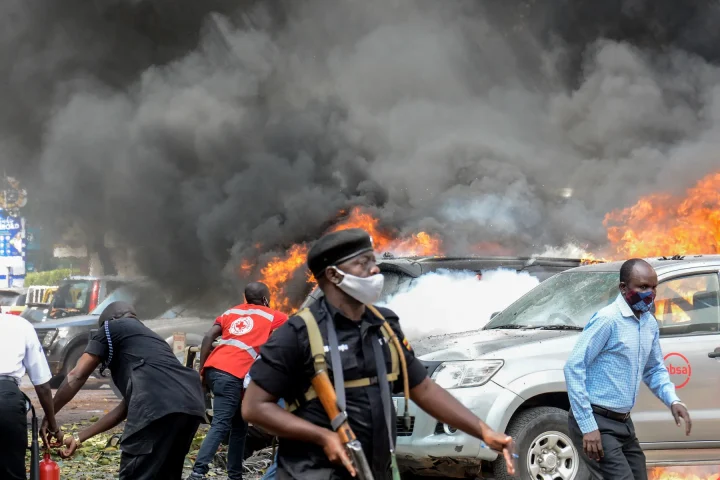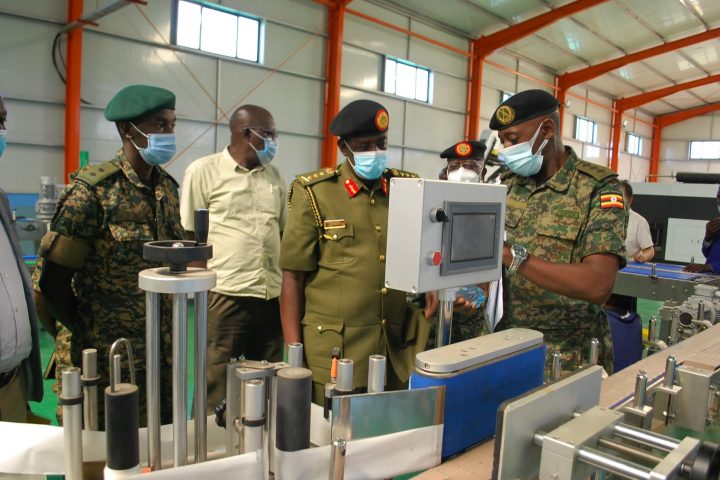
KAMPALA | More than four decades after Uganda’s bush war, thousands of families who lost property, livestock, and loved ones say they continue to live with trauma and unanswered questions.
Many claim that government compensation is selectively granted to those who pledge loyalty to the ruling National Resistance Movement (NRM), while others are left in poverty, ignored, or even asked to pay large sums before their petitions are heard.
In Isingiro District, one family recalls how soldiers raided their home in the 1980s, killing livestock and violating women. Despite years of appeals, officials reportedly told them to “first show support for the government” before their case could proceed.
“They tell us unless you are NRM, don’t waste your time,” said one elder. “But our pain is real. Our cattle were taken, our homes burned, our people killed.”
Human rights groups confirm that survivors from the Luweero Triangle, West Nile, and Rwenzori regions have filed claims for decades, yet many remain unresolved. Critics argue that compensation has become a political tool rather than a path to justice.
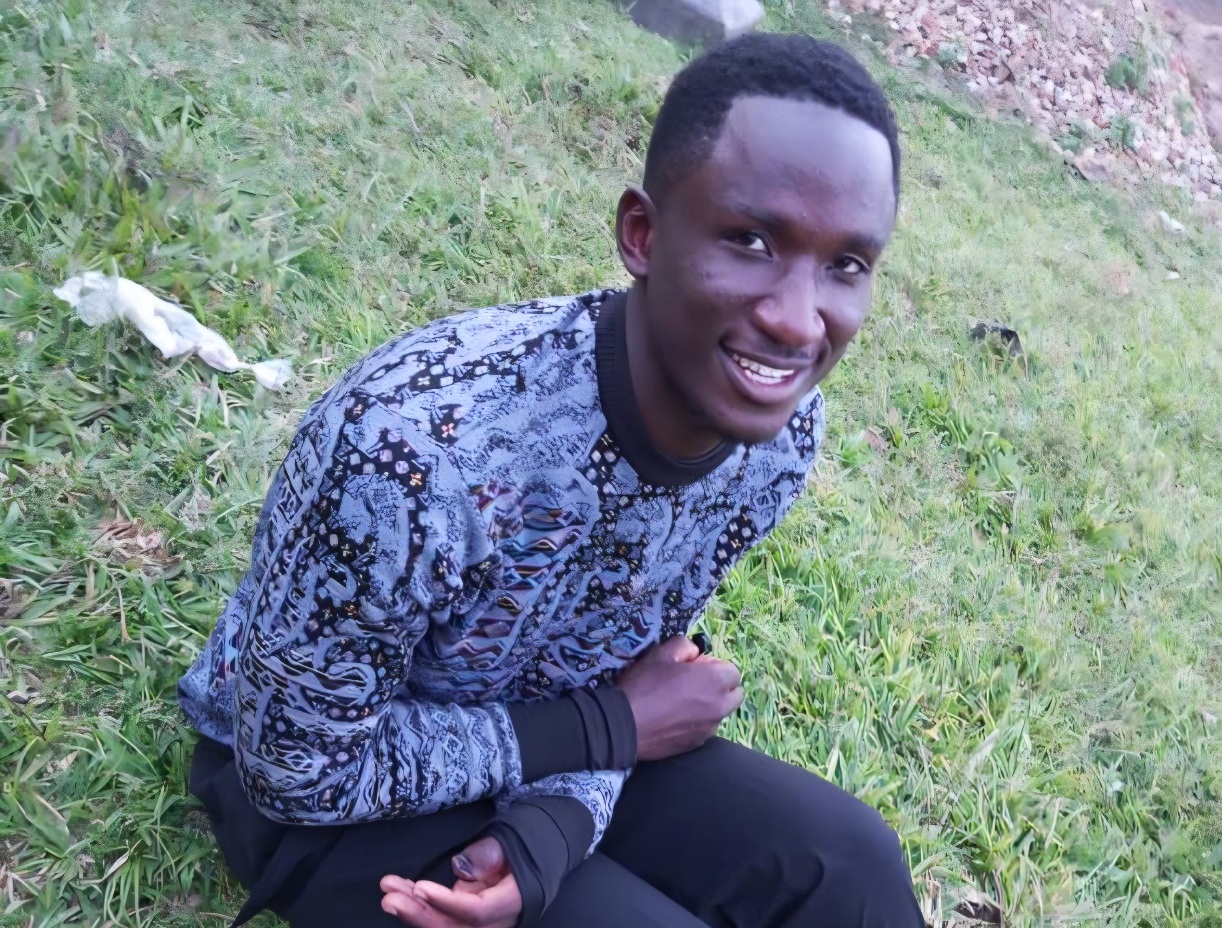
The story of Moses Kakuru underscores this struggle. His father was tortured and their cattle stolen by Museveni’s rebels in 1978. Kakuru later lost both parents to violence and disease linked to the war. His case mirrors thousands of Ugandans scarred by conflict but excluded from the official narrative of “liberation.”
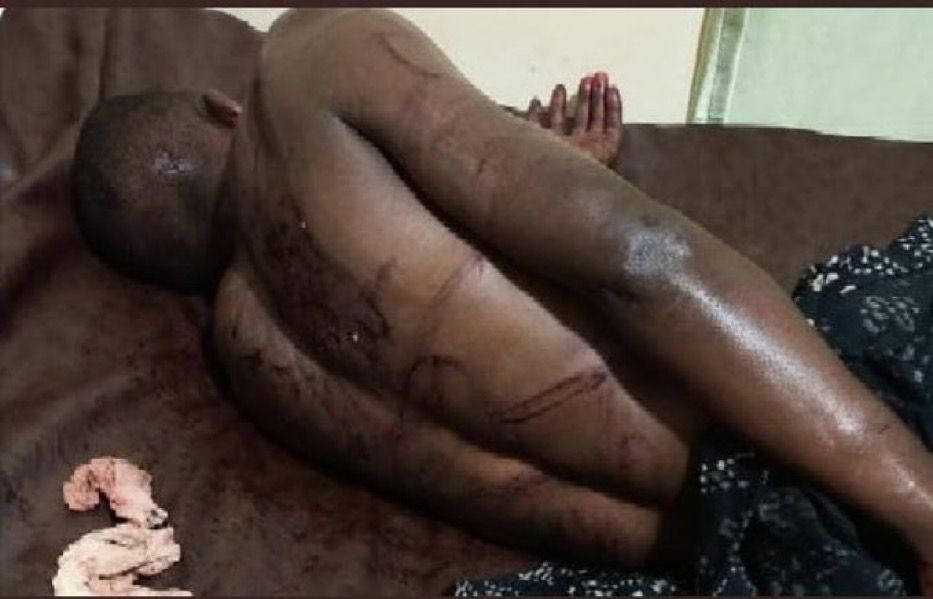
Analysts warn that ignoring these grievances deepens national divisions. “If the state only compensates those it deems loyal, then justice is denied,” said a Kampala-based historian. “You cannot build unity on selective memory.”
For many survivors, the war never truly ended. Their homes remain in ruins, their children orphaned, and their voices silenced. The battlefield may be quiet, but the struggle for justice continues.