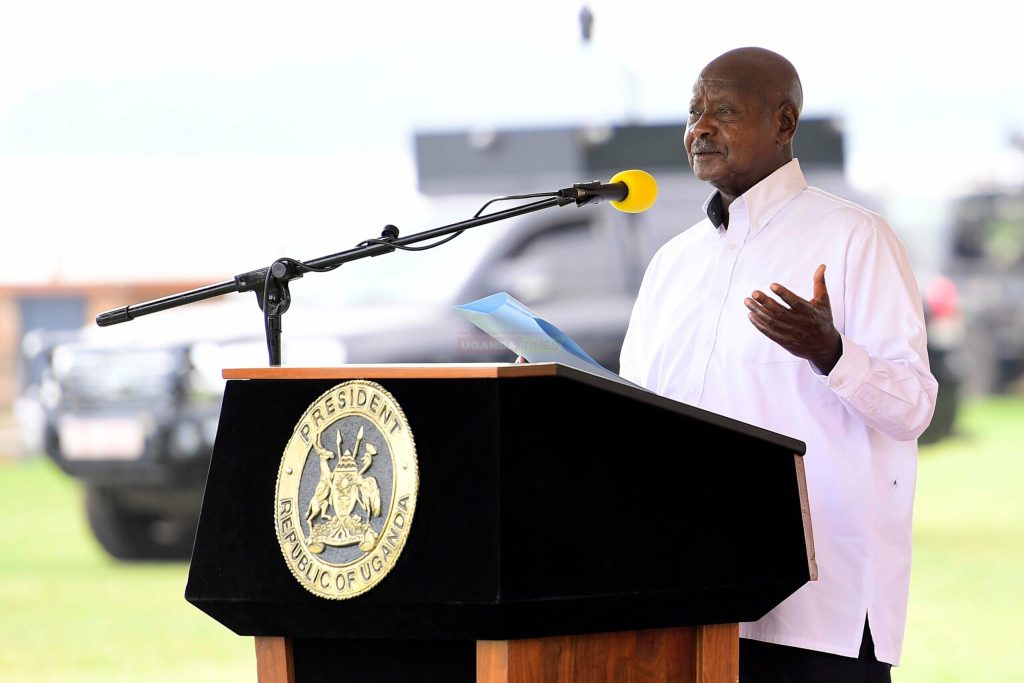
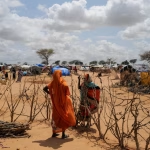
The ongoing conflict in Sudan has caught the attention of global leaders, with President Museveni of Uganda renewing calls for a ceasefire and emphasizing the importance of the country belonging to its people, not just its military. The war, which erupted between Sudan’s national army and the paramilitary Rapid Support Forces (RSF), has resulted in a devastating toll on both civilians and the nation’s stability. Amid reports of frequent ceasefire violations and recent explosions in the capital city of Khartoum, Museveni’s plea for peace and political inclusivity aims to guide Sudan towards a path of reconciliation and progress.
President Museveni’s call for a ceasefire serves as a critical step towards restoring peace in Sudan. By halting hostilities, the people of Sudan can regain the opportunity to elect their leaders and reclaim their stake in the country’s future. Museveni’s strong message emphasizes that Sudan does not belong solely to the military but rather to the diverse population it represents. The proposed ceasefire would create an environment conducive to open dialogue, fostering political stability and providing a platform for constructive negotiations.
The conflict in Sudan originated from disagreements between Gen. Abdel Fattah al-Burhan and Mohamed Hamdan Daglo regarding the integration of RSF fighters into the mainstream Sudanese army. This integration process holds significant implications for the military and political landscape of the country. However, the dispute surrounding the integration has escalated into a full-blown conflict, exacerbating tensions and resulting in widespread violence. Both sides have repeatedly violated previous ceasefire agreements, leading to further loss of life and the displacement of hundreds of thousands of individuals.
International organizations, including the United Nations, the African Union, and the Inter-Governmental Authority on Development, have expressed their concerns over the Sudan conflict and have called for a truce. However, the recent explosions in Khartoum highlight the challenges in achieving a sustainable peace agreement. To effectively mediate the crisis, concerted efforts by regional and international actors are required to address the root causes of the conflict, promote dialogue, and facilitate a comprehensive peace settlement.
President Museveni also cautioned Sudanese leaders against the dangers of sectarianism, emphasizing the need to focus on politics driven by interests rather than identity. By transcending divisive narratives and prioritizing the common good, Sudan can overcome its current challenges and lay the groundwork for a more inclusive and prosperous future. Museveni’s advice holds relevance not only for Sudan but also for other nations grappling with similar internal conflicts, as it promotes unity and encourages leaders to seek solutions that benefit all citizens.
Would you like to get published on this Website? You can now email Uganda Times: an Opinion, any breaking news, Exposes, story ideas, human interest, articles, or any interesting videos: [email protected]. Or join the Ugandatimes WhatsApp Group or Telegram Channel for the latest updates