Uganda has revived one of its most ambitious urban development ideas: moving key government functions away from Kampala and developing a new administrative capital in Nakasongola.
The Uganda new capital proposal was brought back into the spotlight by State Minister for Urban Development Margaret Muhanga, who told Parliament’s Lands and Housing Committee that congestion, poor planning and mounting pressure on infrastructure have made it increasingly difficult for Kampala to serve all of the country’s administrative, commercial and residential needs.
Under the proposal, the government would not abandon Kampala overnight. Instead, ministries, departments and agencies would gradually move to a purpose-built administrative city, with Nakasongola emerging as the preferred location.
Muhanga indicated that such a transition could stretch as far as 2040, making it a long-term national development project rather than an immediate relocation.
If implemented, the move could fundamentally reshape both Kampala and Nakasongola—and potentially become one of Uganda’s biggest urban development projects.
Uganda New Capital Proposal Targets Nakasongola
Nakasongola District in Central Uganda has emerged as the government’s preferred location for a potential new administrative capital.
Muhanga told lawmakers that its relatively central location, lower population density and availability of land would make it easier to design a city from the ground up.
That is one of the biggest attractions of the proposal.
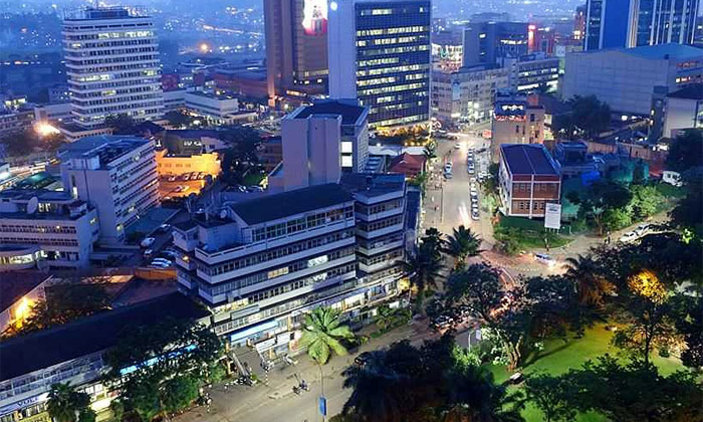
Kampala developed over generations, often expanding faster than infrastructure and urban planning could keep pace. Roads, drainage systems, housing, government offices, commercial developments and informal settlements now compete for limited space.
A new city would offer planners an opportunity to begin differently.
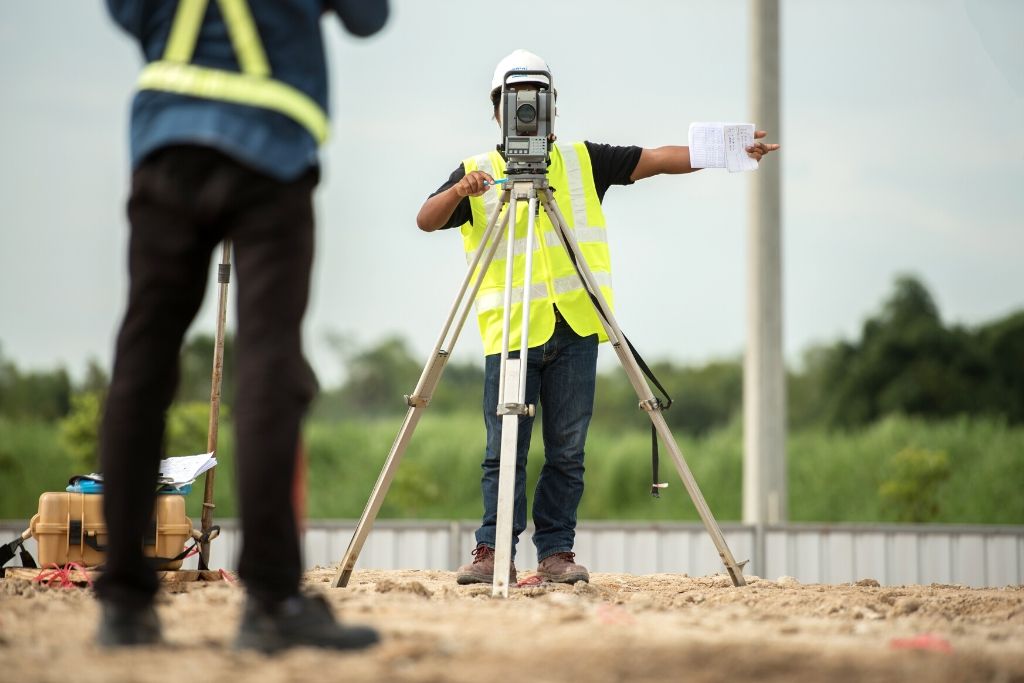
Road corridors could be reserved before development. Government offices could be grouped into dedicated administrative districts. Residential areas, commercial centres, public transport systems, green spaces, drainage networks and utilities could theoretically be planned before large-scale settlement takes place.
Rather than trying to correct decades of development in an already crowded city, the government would essentially be starting with a blank canvas.
Why Government Wants to Move Away From Kampala
Traffic is at the centre of the government’s argument.
Muhanga told MPs that congestion in Kampala costs the economy an estimated $1.6 billion annually, pointing to the hours many commuters spend travelling relatively short distances across the capital.
She argued that the city’s problems have reached a stage where moving some administrative functions may be more realistic than continuing to concentrate nearly every major government institution within Kampala.
The frustrations are familiar to many residents.
A journey that should take a short time can become significantly longer during peak hours. Government offices, businesses, schools, markets and residential neighbourhoods all generate traffic on a road network serving a rapidly expanding metropolitan population.
The challenge extends beyond traffic.
Kampala faces pressure on drainage, waste management, roads, housing and public spaces as development spreads beyond the traditional city boundaries into Wakiso and surrounding areas.
Government has already been investing heavily in Greater Kampala infrastructure, but the new-capital discussion suggests officials are considering a much bigger structural solution.
Ministries Could Move to Nakasongola Gradually
The Uganda new capital proposal is not based on relocating every institution at once.
Muhanga described a phased approach under which selected ministries, departments and agencies could gradually shift to Nakasongola.
This would be important because moving a national administrative centre would require far more than constructing office buildings.
A functioning capital would need roads, water, electricity, telecommunications, hospitals, schools, housing, security infrastructure, public transport, hotels and commercial services.
Thousands of civil servants and their families would also need places to live.
Businesses would likely follow government workers, while developers could begin constructing offices, shopping centres and residential estates around the new administrative zone.
The result would be the creation of an entirely new urban economy.
Parliament and Executive Could Be Among First to Move
Parliament’s Lands and Housing Committee has shown interest in moving the discussion beyond theory.
Committee chairperson Edson Rugumayo asked government officials to provide clearer details about how the relocation would actually be implemented, noting that discussion about moving government activities out of Kampala has existed for years.
He suggested that Parliament and the Executive could potentially be among institutions considered for early relocation.
Moving Parliament would be especially significant.
National legislatures often sit at the symbolic and functional centre of political capitals. Relocating Parliament alongside core executive institutions would therefore give a new administrative city much more significance than simply moving a few government agencies.
However, the latest discussion remains a proposal requiring detailed planning, financing and implementation decisions before such a major relocation could occur.
Why Nakasongola Instead of Mbarara, Gulu or Fort Portal?
Uganda already has several established regional cities, raising an obvious question: why build another city?
Muhanga argued that transferring the capital to an existing city such as Mbarara, Fort Portal or Gulu would risk reproducing some of the same planning challenges the government is trying to escape.
Nakasongola offers a different possibility.
Its lower population and available land could allow infrastructure to be designed around future growth rather than squeezed into existing urban development.
For a purpose-built capital, that distinction matters.
Governments constructing planned administrative cities can determine where ministries will sit, where major roads will run, where residential neighbourhoods will develop and where future expansion will take place before land values and dense settlement make those decisions much more difficult.
Uganda New Capital Could Take Until 2040
Anyone expecting Kampala to lose its capital status within the next few years may need to temper expectations.
Muhanga said the transition could extend to 2040 and would take place gradually.
That timeline reflects the extraordinary complexity involved.
Developing a new administrative capital would potentially require billions of dollars in public and private investment over many years.
Land would need to be properly planned and secured. Roads and utility networks would need to be constructed. Government complexes would have to be designed and funded. Transport links between Kampala, Nakasongola and other parts of Uganda would become increasingly important.
Housing would also need to develop alongside government facilities.
Building offices without creating an attractive place for civil servants and their families to live would merely create another commuting problem.
The success of a new capital would therefore depend on building a functioning city rather than simply a collection of government buildings.
Kampala Would Remain Uganda’s Economic Powerhouse
Relocating administrative functions would not necessarily mean Kampala would stop being Uganda’s most important commercial city.
Muhanga sought to address concerns from property owners and businesses who fear government relocation could reduce demand for office buildings and other properties in the capital. She argued that Kampala would remain active even after some government institutions moved elsewhere.
That distinction between an administrative capital and an economic capital exists in several countries.
A city does not have to host every government institution to remain the country’s main centre for banking, trade, entertainment, hospitality and private-sector business.
Kampala already has deeply established commercial networks, universities, hospitals, hotels, financial institutions and businesses that would not simply disappear because ministries relocated.
In fact, reducing the concentration of government offices could eventually free parts of Kampala for different forms of redevelopment.
Kampala Has Faced Decongestion Proposals Before
The idea of reducing Kampala’s administrative burden is not new.
In December 2024, MPs discussing Uganda’s urban challenges proposed allowing Kampala to focus more heavily on its economic role while relocating some political and administrative functions elsewhere.
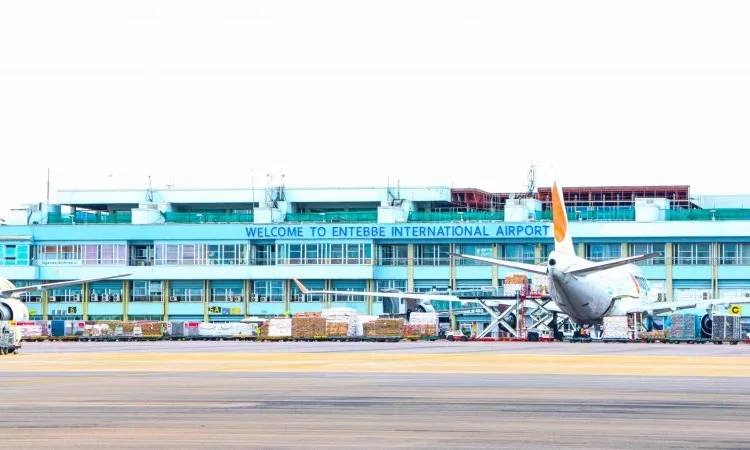
Government also revived plans in 2025 to move some public offices to Entebbe. At the time, 150 acres of land were reportedly allocated for development connected to what officials described as an alternative capital concept intended partly to reduce pressure on Kampala.
Even earlier, Parliament backed proposals calling for another city to help decongest Kampala while considering Uganda’s second National Development Plan in 2015.
What makes the latest debate notable is the renewed emphasis on Nakasongola as a purpose-built administrative capital and the suggestion that government institutions could begin moving there gradually.
Building a New Capital Would Be a Massive Undertaking
Moving a capital sounds simple when described as transferring ministries from one city to another.
In practice, the scale would be enormous.
A properly planned Uganda new capital would require an integrated transport network capable of handling future population growth.
It would need reliable electricity and water systems from the beginning.
Drainage and waste management would need to be incorporated into the city master plan rather than added after neighbourhoods are already established.
Digital infrastructure would also be essential.
A new government district would need secure high-speed connectivity, modern data infrastructure and digitally connected public services.
Public spaces would matter too.
One of the lessons from Kampala’s growth is that cities require space for parks, pedestrians, public transport and infrastructure expansion—not only buildings and roads.
If those lessons are applied from the beginning, Nakasongola could potentially become a model for future urban planning in Uganda.
The Cost Question Will Be Crucial
The government has yet to publicly present a detailed overall budget for constructing a new national capital in the latest reports.
That will eventually become one of the most important questions surrounding the proposal.
A project involving government headquarters, Parliament, housing, roads, public transport, hospitals, schools, utilities and security infrastructure would require substantial financing.
Government could potentially develop infrastructure in phases rather than attempting to fund everything simultaneously.
Private investors would also likely play a major role.
Once government commits to moving large institutions, demand for land, housing, hotels, offices and commercial services around the new capital could attract developers.
But authorities would need strong land-use controls to prevent Nakasongola from developing the same unplanned patterns officials are trying to escape in Kampala.
Land Speculation Could Become an Early Challenge
Even before major construction begins, talk of establishing a capital can transform land markets.
Investors may seek property near areas expected to host government buildings, roads or new commercial centres.
That can create opportunities for landowners, but it can also produce speculation and uncontrolled development.
For the government, protecting strategic infrastructure corridors would therefore be critical.
Road reserves, railway corridors, government precincts, green areas, utilities and future expansion zones would ideally need to be established before uncontrolled construction spreads across potential development areas.
Otherwise, government could eventually be forced to spend heavily compensating property owners to build infrastructure—one of the problems a planned city is supposed to avoid.
What Happens to Kampala If Government Moves?
Kampala would still require major investment even if the new-capital proposal advances.
Moving ministries cannot replace the need to improve roads, drainage, public transportation, waste collection and land-use planning for millions of people who would continue living and working across Greater Kampala.
A successful relocation strategy could therefore require two major urban programmes running simultaneously.
One would build the new administrative capital.
The other would modernise Kampala as Uganda’s main commercial metropolis.
Done properly, the two cities could complement rather than compete with each other.
Kampala could concentrate on finance, business, tourism, entertainment, education and commerce, while Nakasongola could become the planned centre of national administration.
Uganda New Capital Debate Is Just Beginning
For now, Kampala remains Uganda’s capital.
The latest announcement should therefore be understood as a revived government proposal rather than evidence that the capital has already been officially transferred.
NTV reported on August 13, 2026, that Muhanga had reignited the long-discussed idea and proposed revisiting plans for a purpose-built city in Nakasongola.
The proposal has already sparked public debate. Some supporters see an opportunity to relieve Kampala’s congestion and create a modern planned city, while critics argue that simply moving the capital will not solve Uganda’s urban problems unless planning and enforcement improve as well.
That criticism is important.
A new city can have wider roads and better zoning on paper. But if planning regulations are ignored over decades, the same problems could eventually emerge again.
The success of Nakasongola would therefore depend less on where the city is located than on how it is planned, governed and protected from uncontrolled development.
Could Nakasongola Become Uganda’s Future Capital?
The latest government discussion represents one of the clearest signs yet that the question is being taken seriously.
Nakasongola offers land, a comparatively low population and the opportunity to build deliberately rather than continuously correcting past development mistakes. Government officials are considering a gradual relocation that could continue through to 2040.
But turning the vision into reality would require much more.
Uganda would need a detailed master plan, clear financing arrangements, infrastructure commitments, land protections and a timetable identifying which government institutions move first.
Until those decisions are made, Kampala remains firmly at the centre of Uganda’s political and economic life.
Yet the Uganda new capital proposal raises a much bigger question about the country’s future.
Instead of asking how Kampala can continue absorbing nearly everything, policymakers are beginning to ask whether Uganda should deliberately create a second national centre.
If Nakasongola moves from proposal to construction, the project could reshape Uganda’s urban geography for generations—and mark the beginning of the country’s most ambitious planned city yet.