Uganda is preparing to conduct its first national baseline survey of buildings as authorities move to establish how safe the country’s rapidly expanding building stock is and whether structures can withstand threats such as earthquakes, floods, fires and landslides.
The Uganda building survey will be carried out through a partnership between the National Building Review Board (NBRB) and the Uganda Bureau of Statistics (UBOS). The two agencies signed an agreement on August 7, 2026, to design and implement the exercise.
For the first time, authorities expect to develop a detailed national picture of the condition, location and characteristics of buildings across Uganda.
The exercise comes amid concern over building collapses, rapid urban development and Uganda’s exposure to seismic activity along the East African Rift System. It could eventually influence inspections, building regulations, disaster planning and future construction standards.
Uganda Building Survey to Cover 200,000 Structures
According to the NBRB, field teams will assess a sample of about 200,000 buildings spread across Uganda’s 11 cities, 31 municipalities and 135 district local governments.
The survey will record information including structural condition, building characteristics, regulatory compliance, ownership, occupancy and geographical location.
Uganda is estimated to have more than 10 million buildings, but authorities currently do not have a single comprehensive national database showing their condition. Records are instead distributed among local governments, ministries and different permitting systems.
That information gap has made it difficult for regulators to answer basic but important questions: How many buildings comply with regulations? Which types of structures are most vulnerable? Which areas should receive priority inspections? And how prepared are Uganda’s cities for a major natural disaster?
The new survey is intended to provide evidence that can begin answering those questions.
Earthquake Risk Adds Urgency to Uganda Building Survey
Earthquakes are a major concern behind the wider push for stronger building resilience.
Uganda lies within the East African Rift System, a region associated with significant seismic activity. The NBRB says the country’s location makes earthquake resilience an important consideration as urbanisation and construction accelerate.
Uganda has experienced damaging earthquakes before.
A magnitude 6.6 earthquake struck the Tooro region in 1966, while a magnitude 6.2 earthquake affected the Rwenzori region in 1994. Tremors associated with a strong earthquake near the Uganda-Tanzania border in September 2016 also caused damage in parts of southern Uganda.
The concern is that a similar event occurring near a densely populated city today could have much greater consequences because Uganda now has far more buildings, including multi-storey commercial and residential developments.
Authorities therefore want to understand not simply where buildings are located, but how they were constructed and how vulnerable they may be when subjected to severe shaking.
Museveni Previously Ordered Audit of Buildings
President Yoweri Museveni has previously raised concerns about whether permanent and high-rise buildings in Uganda are adequately designed to withstand earthquakes.
In Executive Order No. 1 of 2023, Museveni directed government engineers to audit permanent buildings, giving priority to multi-storey structures, and to establish minimum earthquake-resistance requirements for future construction.
The President also directed state engineers to work with universities and other experts to determine minimum structural standards and establish whether vulnerable existing buildings could be strengthened.
The Uganda building survey could provide regulators with some of the data needed to make such decisions more systematically.
Rather than relying largely on individual inspections following complaints or incidents, authorities would have a national baseline showing the scale and characteristics of Uganda’s building stock.
Building Collapses Have Raised Safety Concerns
Earthquakes are not the only reason officials are concerned.
Uganda has experienced several building collapses in recent years, including incidents in Mbale, Kisasi and Kawempe in 2026.
Data cited by Daily Monitor from the National Building Review Board indicates that at least 41 structural failures were recorded between 2019 and 2025, resulting in more than 90 deaths.
Such incidents have increased scrutiny of construction standards, professional supervision and enforcement of approved building plans.
Officials are particularly concerned about structures built without adequate engineering oversight, approved designs or proper permits.
A national assessment could help identify where weaknesses are concentrated and allow regulators to direct inspections towards higher-risk buildings instead of treating all structures in the same way.
Previous Survey Found Widespread Non-Compliance
Earlier research has already suggested that compliance remains a significant challenge.
A 2021 NBRB assessment covering 5,642 properties in 11 cities found that roughly 78% of the buildings assessed did not meet the standards considered under the Building Control framework. Only 22.7% were reported as compliant, while just 25.9% of completed buildings met the assessed requirements.
Missing occupation permits were among the compliance problems identified.
However, that earlier study covered only a relatively small portion of Uganda’s total building stock.
The new Uganda building survey will be much larger and geographically broader, allowing authorities to develop a more representative national picture.
What Officials Will Look for During the Survey
The exercise will examine far more than whether a building is standing or visibly damaged.
Officials intend to classify structures according to their construction characteristics, including reinforced-concrete, brick, timber, steel-and-glass and other building types.
They will also distinguish between detached and semi-detached properties as well as single-storey and multi-storey developments.
Other information will include ownership, occupancy, geographical distribution and compliance with building regulations.
Together, these details will help authorities understand which types of buildings may be most vulnerable to different hazards.
For example, a structure’s materials, design, age, location and construction quality can all influence how it performs during an earthquake, flood or other disaster.
UBOS to Provide Statistical Expertise
UBOS will take responsibility for the statistical side of the Uganda building survey.
Its role includes survey design, statistical methodology, quality assurance, data processing, analysis and publication of the findings.
The NBRB, meanwhile, will coordinate implementation and contribute its expertise in inspections, construction standards and regulatory compliance.
A joint technical committee will oversee the process, including questionnaire development, pilot testing, field operations, validation and eventual dissemination of the results.
UBOS Executive Director Dr Chris Mukiza said the partnership would strengthen Uganda’s national statistical system and ensure that planning decisions are supported by credible evidence.
Survey Expected to Begin With Pilot Exercise
Before full national deployment, authorities plan to test the methodology in one urban and one rural location.
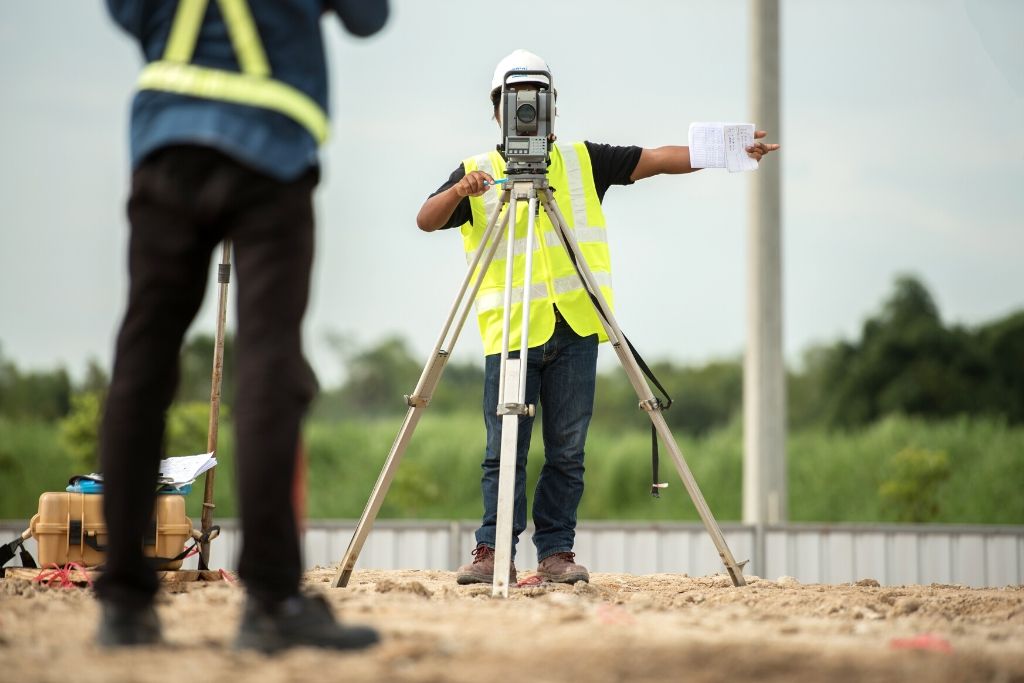
Enumerators will then use GPS-enabled tablets to collect information from sampled buildings across the country.
NBRB research official Dr Moris Oleng told Daily Monitor that recruitment of enumerators was underway and that fieldwork was expected to begin around September 1, running through October.
Processing and analysis of the findings is expected in November, with results targeted for release in December 2026.
The NBRB says the findings are scheduled to be presented at the State of the Building Sector Conference in Kampala, planned for December 9 to 11, 2026.
Survey Is Not a Tax or Demolition Exercise
Authorities are also seeking to reassure property owners about the purpose of the exercise.
The NBRB says communities will be informed before survey teams arrive and enumerators will carry official identification.
Property owners will not be required to make payments to survey officials. The NBRB has also stressed that participation in the survey will not automatically trigger a tax assessment or demolition order.
That clarification could be important in encouraging cooperation from landlords, homeowners, developers and businesses.
Reliable results will depend heavily on field teams being allowed to access properties and collect accurate information.
Uganda Building Survey Could Change Inspection Priorities
One of the most important outcomes may be the creation of a national exposure model showing how different types of buildings could respond to disasters.
Instead of inspections being conducted largely without comprehensive national risk data, regulators could use the findings to identify structures and locations that require greater attention.
The NBRB says the results could also help benchmark the performance of local building committees, inform revisions to Uganda’s National Building Code and improve disaster-risk planning in areas exposed to earthquakes, floods and landslides.
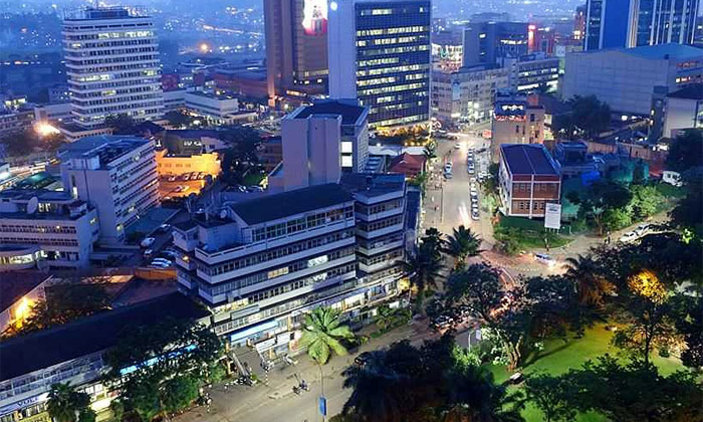
This could be particularly valuable in Kampala and other rapidly growing urban centres, where new residential apartments, offices, shopping developments and mixed-use buildings continue to change the skyline.
Rapid Urbanisation Makes Building Safety More Important
Uganda’s towns and cities are expanding quickly.
The NBRB says the country’s urban growth is running at about 5.2% annually, while the urban share of the population is expected to exceed 30% by 2035. The construction sector accounts for close to 12% of national output, according to figures cited by the regulator.
That expansion creates economic opportunities, but it also raises the stakes for building regulation.
When cities grow faster than inspection and enforcement capacity, unsafe structures can become part of the urban landscape before authorities have sufficient information to intervene.
A building that appears normal during everyday use may still contain weaknesses that become dangerous during an earthquake, fire or extreme weather event.
This makes prevention particularly important.
SERENE Project Also Targets Disaster-Resilient Buildings
The national building survey is part of a broader push to make Uganda’s construction sector more resilient.
In April 2026, the NBRB announced the SERENE Project — Scientific Evidence for Risk Engineering, Norms and Education — in partnership with the Global Earthquake Model Foundation.
The project is examining the resilience of Uganda’s building sector to earthquakes, landslides, floods and fires. It is expected to identify structural weaknesses and recommend short- and long-term measures for improving safety.
Expected outcomes include safer building designs, stronger regulatory frameworks, better enforcement and additional training for professionals involved in disaster-resistant construction.
Together with the national building survey, the project represents a shift towards using evidence and risk assessments before disasters happen rather than responding only after buildings fail.
Safer Buildings Could Save Lives and Money
Improving structural safety has benefits beyond preventing collapses.
Buildings represent enormous investments for households, businesses and government institutions.
When a poorly constructed building fails, the consequences can include deaths and injuries as well as the loss of homes, businesses, equipment and public infrastructure.
Preventing such losses can be considerably more effective than rebuilding after a disaster.
For homeowners and developers, stronger enforcement may initially mean greater attention to permits, professional engineering and construction standards. In the long term, however, those requirements can protect both occupants and the value of the property.
Uganda Moves From Guesswork to Building Data
The first Uganda building survey represents an important change in how authorities approach construction safety.
For years, regulators have operated without a complete national picture of how many buildings exist, what they are made from or how well they comply with established standards.
Assessing 200,000 structures will not individually inspect every one of Uganda’s estimated 10 million-plus buildings. Instead, the exercise is intended to provide the country’s first statistically grounded national baseline from which regulators can understand trends and identify priorities.
That distinction matters.
The survey itself will not suddenly make every building earthquake-resistant. What it can do is show policymakers where the biggest problems are and provide evidence for inspections, stronger building codes, retrofitting programmes and better enforcement.
As Uganda’s cities continue to expand vertically and horizontally, the safety of the buildings where people live, work, study and conduct business will become increasingly important.
The Uganda building survey could therefore become a crucial first step towards ensuring that the country’s construction boom produces not only more buildings, but safer and more resilient ones.