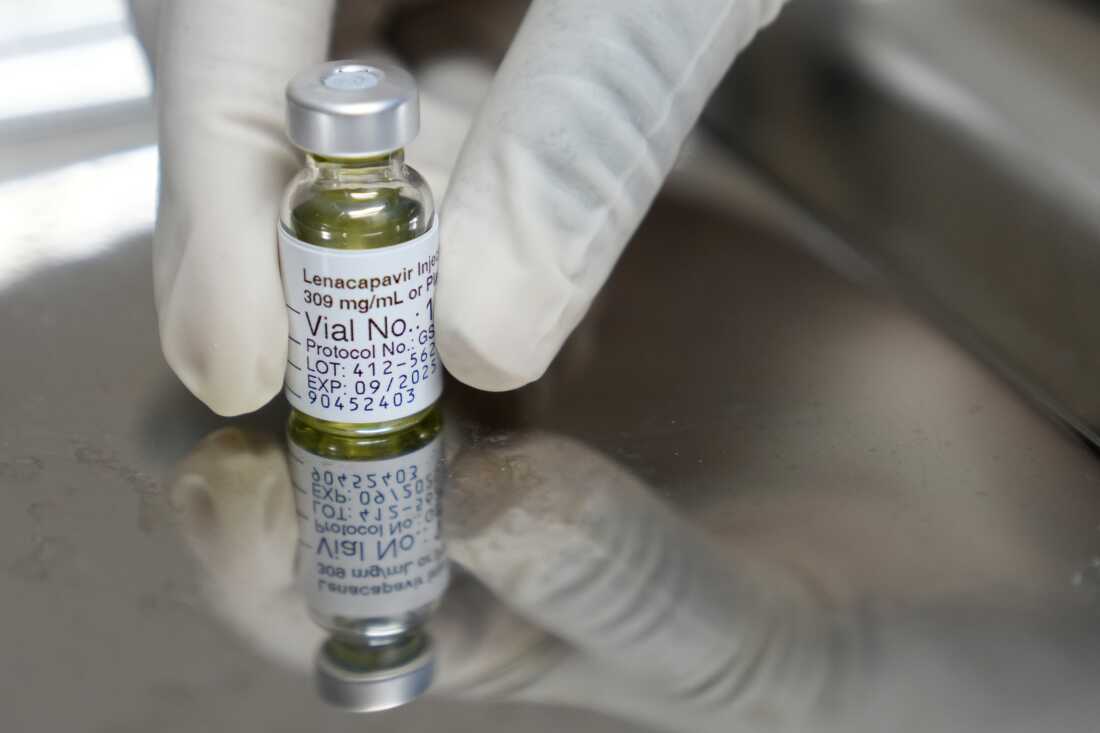
Uganda has approved lenacapavir for HIV prevention, a twice-yearly injectable PrEP. Clinical trials in Uganda and South Africa showed it stops over 99% of new HIV infections. The National Drug Authority (NDA) made the announcement this week. This approval marks a major step toward ending AIDS by 2030.
Lenacapavir for HIV prevention offers a powerful new tool for people at high risk. It eliminates the need for daily pills. Instead, patients receive just two injections per year. This makes adherence far easier and more reliable.
The drug was developed by Gilead Sciences, a U.S. company. The U.S. Food and Drug Administration (FDA) first approved it in June 2025. Uganda’s NDA then reviewed it thoroughly. They confirmed it meets strict safety, quality, and efficacy standards before granting approval.
Uganda will receive 38,000 doses by March 2026 through the Global Fund. The government will provide these doses free of charge. Health workers will deliver them at existing PrEP sites. These sites already serve key populations, including young women, sex workers, and people in serodiscordant relationships.
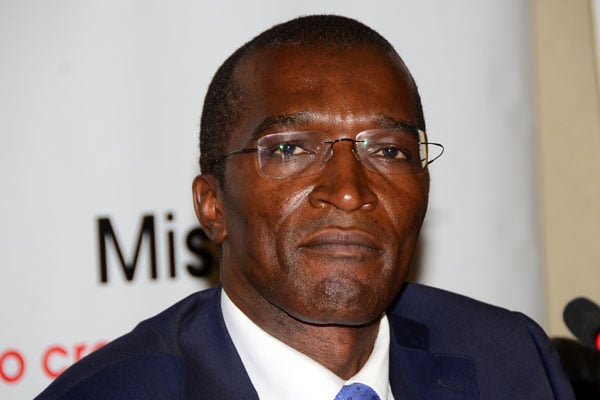
Each person needs two injections per year. That means the initial shipment will protect 19,000 people. Dr. Robert Mutumba of the Ministry of Health said eligible Ugandans could start using it within two months of arrival.
Uganda still records more than 37,000 new HIV infections every year. Lenacapavir for HIV prevention could significantly reduce that number. But access remains limited at first. The branded version costs about $28,000 per person annually—far too expensive for most Ugandans.
Good news is coming, though. In 2024, Gilead granted royalty-free licenses to six generic manufacturers. These companies can produce lenacapavir for HIV prevention for 120 low- and middle-income countries. The Gates Foundation partnered with India’s Hetero Labs to make it for just $40 per patient per year. This low-cost version should launch in 2027.
Until then, Uganda is pursuing other options. Officials are in talks with the U.S. government and other donors for more doses. They also encourage private clinics to import the drug. Prices should drop as demand grows and generics enter the market.
People should keep using current PrEP methods while they wait. Oral pills, the dapivirine vaginal ring, and injectable cabotegravir remain effective. The Uganda AIDS Commission urges continued use of these tools. Existing PrEP sites will add lenacapavir to their services soon. New clients can start with it. Current users may switch if they prefer.
This approval is more than a medical milestone. It’s a potential turning point in Uganda’s HIV response. Lenacapavir for HIV prevention combines high efficacy with user-friendly dosing. That makes it ideal for hard-to-reach and high-risk groups.
Success will depend on strong delivery systems and community trust. If scaled well, lenacapavir for HIV prevention could help Uganda meet its 2030 goals. It may also serve as a model for other African nations fighting HIV.
READ: Uganda to Produce Affordable Lenacapavir HIV Treatment