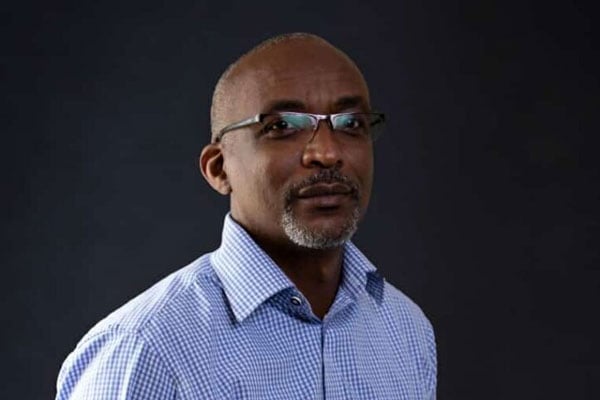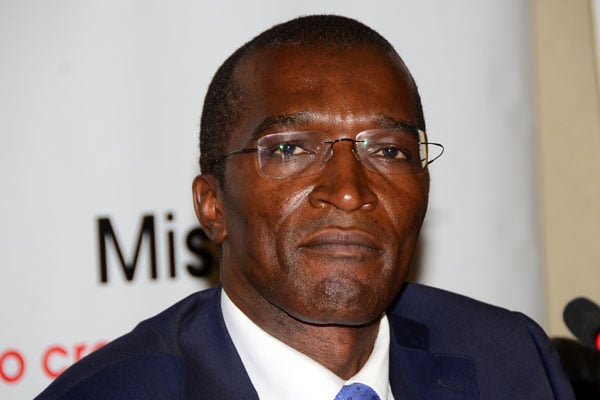
In November 2025, businessman Hassan Basajjabalaba shared an emotional farewell to his mother. He spoke of the painful journey his family endured, trying to save her life. Battling a complex heart condition, their strength and faith were tested, especially when medical expenses became overwhelming.
Basajjabalaba’s Heartfelt Appeal
Basajjabalaba reflected on the crushing weight of the medical bills. He explained how the financial burden grew heavier even when they thought they could manage. In this moment of grief, he made a powerful appeal to the government.
He urged for the fast-tracking of the National Health Insurance Scheme (NHIS) Bill. He emphasized that Ugandans deserve more than just resilience in the face of tragedy. They deserve a system that shields them from the shock of unforeseen medical bills. He called for a safety net that honors the dignity of every citizen.
The Mechanics’ Call for Medical Insurance
During President Museveni’s campaign tour, mechanics and garage operators across Kampala also voiced their need for accessible medical insurance. Many Ugandans are struggling with high healthcare costs. These costs often push them into financial hardship.
The Importance of NHIS
The National Health Insurance Scheme (NHIS) is essential. It is not just a policy framework but a lifeline for millions of Ugandans. Prioritizing and implementing the NHIS is key to building a healthier and more resilient population.
The NHIS aims to provide access to affordable healthcare. It allows Ugandans to pay affordable premiums while receiving basic coverage. This will help mitigate the burden of high, unexpected medical costs.
Rising Healthcare Costs and Their Impact
The Ministry of Health’s National Health Accounts report from August 22, 2024, revealed a significant rise in out-of-pocket healthcare expenses. Between 2019/20 and 2020/21, Ugandans’ out-of-pocket spending grew by Shs88.3 billion, from Shs2.21 trillion to Shs2.3 trillion.
This increase shows that Ugandans are paying much more for healthcare than they would under the NHIS. The report also noted that over 90% of household healthcare spending goes towards curative care, particularly on medical goods like pharmaceuticals.
Even small out-of-pocket payments, like those for painkillers, strain many households. This situation is even worse for those requiring long-term treatment for chronic illnesses. Families are forced to use life savings, sell assets, or borrow money, often jeopardizing their futures and those of their children.
NHIS: The Solution to Healthcare Inequities
The NHIS offers a solution to this crisis. It will protect Ugandans from these high costs. By ensuring affordable healthcare, it will improve access to medical care and ease the financial burden on families.
The lack of financial protection in healthcare exacerbates health disparities, deepens poverty, and worsens socio-economic inequalities. Implementing the NHIS is a critical step to reducing these issues and improving public health.
The Future of NHIS and Its Implementation
For the NHIS to succeed, it needs broad support. We must prioritize it, enroll people, and educate the public on its benefits. Additionally, it’s essential to hold service providers accountable for the quality of care.
Making NHIS a national priority is essential. It will help ensure a healthier, fairer future for all Ugandans. Healthcare is a right, not a privilege. It benefits everyone, and we must act now to make it accessible to all.