
An LC1 introduction letter in Uganda is a letter issued by local council leadership to introduce a person or confirm information known to the local authority, such as residence within a particular village or cell.
The contents depend on why the letter is needed. A letter confirming your residential address may be shorter than one supporting a National ID application, which can require family information and additional endorsement.
You can prepare a draft, but the authorised local leader must verify the information and issue or endorse the letter. Writing your own draft does not make it an official LC1 document.
This guide explains what to include, how to request the letter and how to adapt a sample without making unsupported statements.
What Is an LC1 Introduction Letter?
An LC1 introduction letter is a written introduction from local council leadership concerning a person known to, or verified by, the office.
Depending on the purpose, it may identify:
- The applicant’s full name.
- Village or cell of residence.
- Parish or ward and other location details.
- Length of residence.
- Relevant family details.
- The reason for the introduction.
- The issuing official’s name, signature and contact information.
Requirements differ between receiving organisations. A general residence letter should not be assumed to satisfy every government, employment or court-related application.
Who Writes and Signs the Letter?
The letter is issued through the relevant LC1 office.
The chairperson or other properly authorised official should decide what the office can confirm, review the wording and provide the appropriate endorsement.
Some offices use printed forms. Others prepare individual letters or accept a draft for review.
Before drafting, ask whether the office has its own format. If it does, provide the information needed to complete that form.
Do not copy a signature, reproduce an official stamp or present an unsigned draft as an issued letter.
When Might You Need an LC1 Letter?
You may be asked for a letter introducing you, confirming residence or supporting a particular administrative process.
Examples include:
- A government-service application.
- An employment application where the employer requests local verification.
- Confirmation of a residential address.
- A marriage-related application.
- A court process with specific documentary requirements.
The requesting organisation determines what it needs. Ask for its checklist before approaching the LC1 office.
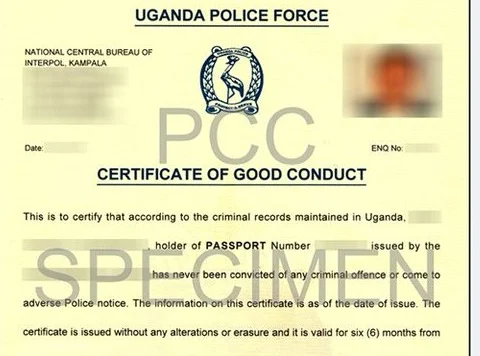
An LC1 letter should not be treated as a substitute for a National ID, passport, police Certificate of Good Conduct or registered land title.
Information to Gather Before Requesting the Letter
Prepare accurate details and the receiving organisation’s instructions.
| Information | What to prepare |
|---|---|
| Full name | Names matching the identification used for the application |
| Residential address | Village or cell, parish or ward, and other relevant administrative details |
| Length of residence | An accurate period the local leadership can verify |
| Purpose | The specific reason the letter is required |
| Recipient | Organisation, department or named official |
| Identification | Available identification requested by the LC1 office |
| Supporting evidence | Documents or local confirmation relevant to the facts being verified |
| Additional requirements | Required endorsements, attachments or wording |
These are preparation suggestions rather than a universal national checklist.
If you do not have identification, explain that before requesting the letter. Do not invent an identification number or use someone else’s details.
How to Obtain an LC1 Introduction Letter in Uganda
Step 1: Confirm What the Receiving Organisation Requires
Ask whether the letter must confirm residence only or include other information.
Clarify:
- Who should receive it.
- Whether a prescribed form is available.
- Which facts must appear.
- Whether attachments are necessary.
- Whether another official must endorse it.
- Whether the organisation requires a recently issued letter.
A specific checklist reduces the chance of returning for amendments.
Step 2: Approach the Relevant LC1 Office
For residence confirmation, begin with the leadership responsible for the place you actually live.
However, some services request a letter from a different relevant locality. For example, particular family or marriage-related requirements may concern where your parents reside.
Follow the instructions for your service rather than assuming your current residential office is always the correct one.
Step 3: Explain the Purpose
Tell the official why you need the letter.
Bring the application checklist or written request where available. This helps the office distinguish a basic introduction from a letter requiring detailed family or residence information.
Step 4: Provide Information for Verification
Present the identification and supporting information requested.
If you are new to the area, ask what the office needs to establish your residence. A tenancy document or confirmation from a landlord may help where requested, but it should not be described as a universal requirement.
Allow the official to verify facts rather than asking for immediate endorsement of statements they cannot support.
Step 5: Review the Draft
Check your names, address, residence period and purpose before the letter is signed.
A small spelling error can create a mismatch with your identification or other application documents.
Step 6: Obtain the Required Endorsement
The issuing office should complete the signature, date, official details and stamp where required.
If the application needs an additional endorsement, complete that step before submitting the letter.
Step 7: Keep a Copy
Retain a clear copy for your records and submit the original where requested.
Keep the letter secure because it may contain personal, residential or family information.
Recommended LC1 Introduction Letter Format
A clear letter usually follows this order:
- LC1 office details.
- Date and reference, where used.
- Recipient’s details.
- Subject.
- Applicant’s identity and relevant residence information.
- Purpose of the introduction.
- Issuing official’s details and endorsement.
Keep the wording factual and concise.
Sample LC1 Introduction Letter for Residence Confirmation
Draft for review and issuance by the relevant LC1 office
OFFICE OF THE LC1 CHAIRPERSON
[Village/Cell]
[Parish/Ward]
[Sub-county/Town Council/Division]
[District/City]
Date: [Day Month Year]
Reference: [If applicable]
To:
[Recipient’s Title]
[Organisation]
[Address]
RE: INTRODUCTION AND RESIDENCE CONFIRMATION FOR [FULL NAME]
This office introduces [Full Name], who is known to the local leadership as a resident of [Village/Cell], [Parish/Ward], [Sub-county/Division], [District/City].
Based on the information verified by this office, the applicant has resided at [relevant address or location] since [month/year or verified period].
This letter is issued at the applicant’s request for [specific purpose].
Please contact the undersigned if clarification concerning the information confirmed in this letter is required.
Yours faithfully,
[Name of Issuing Official]
[Official Title]
Telephone: [Official contact number]
Signature: ____________________
Official Stamp: ____________________
How to Adapt the Sample
Replace the placeholders with verified information and remove any field that is unnecessary.
The local official should amend the wording to match what the office can confirm.
Do not use an estimated residence period as an established fact. If the precise date is uncertain, ask the official what accurate wording is appropriate.
Sample Request Letter to Your LC1 Chairperson
Your request to the chairperson is different from the official introduction letter issued by the office.
You can use this format to ask for the service:
[Your Full Name]
[Village/Cell and Address]
[Telephone Number]
Date: [Day Month Year]
The LC1 Chairperson
[Village/Cell]
[Parish/Ward]
[District/City]
RE: REQUEST FOR AN INTRODUCTION LETTER
I am a resident of [Village/Cell] and request an introduction letter for submission to [organisation] in support of my [state application or purpose].
I have lived at [address or location] since [accurate date or period].
The receiving organisation requires the letter to confirm [list the information requested]. I am available to provide identification and any supporting information needed for verification.
Thank you for considering my request.
Yours faithfully,
[Your Full Name]
Signature: ____________________
This request is signed by you. The official introduction letter must be issued separately by the appropriate local authority.
LC1 Letters for National ID Applications
A general residence letter may not contain enough information for a National ID application.
NIRA’s published new-registration requirements identify an LC1 letter containing the applicant’s names, parents’ details, tribe and clan. They also specify the LC1 chairperson’s signature, official stamp and telephone contact, together with DISO endorsement.
DISO refers to the District Internal Security Officer.
NIRA also provides instructions for cases involving deceased parents and guardians. Obtain the checklist applicable to your circumstances before preparing the letter.
Provide sensitive family information only where the service requires it. A basic employment or residence letter should not automatically include every detail requested for National ID registration.
LC1 Letters for Marriage-Related Applications
The content can differ depending on the marriage service.
NIRA’s marriage-registration system lists a residence letter for marriage at the registrar’s office, confirming residence in the marriage district and the period of stay. Its published requirements specify at least 15 days.
Other marriage-related services have different requirements. NIRA’s guidance for a marital-status letter refers to a recommendation from the locality where the applicant’s parents reside.
Confirm which application you are making before obtaining the letter. A general introduction does not automatically establish marital status or satisfy the complete marriage checklist.
Should the Letter Describe Your Character?
Only include statements the issuing office is prepared to make on a proper basis.
Avoid adding sweeping claims such as:
- “The applicant has never committed any offence.”
- “The applicant has no criminal record.”
- “The applicant is guaranteed to repay a loan.”
- “The applicant meets all immigration requirements.”
An LC1 introduction is not a police criminal-record check, financial guarantee or decision by another institution.
If the recipient needs a Certificate of Good Conduct, follow the Uganda Police procedure for that document.
How Much Does an LC1 Introduction Letter Cost?
Do not assume that a locally requested amount is a nationally approved fee.
This guide does not identify a verified nationwide fee schedule for ordinary LC1 introduction letters.
If payment is requested, ask:
- What is the payment for?
- What approved authority or schedule supports it?
- Is it an official charge or an optional contribution?
- Will a receipt be issued?
Keep any receipt. If a charge appears improper or the explanation is unclear, seek clarification from the relevant local government administrative office.
Fees for another LC1 function, such as a village-court process, should not be treated as the fee for an introduction letter.
How Long Is an LC1 Introduction Letter Valid?
There is no single validity period established here for every purpose.
The receiving organisation may specify how recently the letter must have been issued. A letter can also become inaccurate if you move or the information it confirms changes.
Check the recipient’s requirements and obtain an updated letter when needed.
Never change the date or address on a signed letter yourself.
Common Mistakes to Avoid
Using the Wrong Locality
Confirm whether the service needs your current residence, another verified address or your parents’ locality.
Copying Someone Else’s Completed Letter
Use a blank sample. Do not retain another person’s name, reference, address, signature or stamp.
Leaving the Purpose Unclear
State why the letter is being issued. “For official purposes” may be less useful than identifying the particular application.
Adding Unnecessary Personal Information
Include information required for verification and the intended service. Avoid circulating family details or identification numbers without a reason.
Assuming the Letter Completes the Application
An LC1 introduction is usually one supporting document. Read the full checklist for identification, attachments and further endorsements.
Altering an Issued Letter
Return to the issuing office for corrections. Do not edit a scan or add information beneath an existing signature.
Frequently Asked Questions
Can I Write My Own LC1 Introduction Letter?
You can prepare a draft or write a request. The relevant official must verify the information and issue or endorse the final letter.
Is There One Official Format for Every Application?
Do not assume so. The receiving organisation may prescribe its own form or required contents.
Can the Letter Be Handwritten?
Ask the receiving organisation and issuing office. Legibility, accurate information and the required endorsement matter, but a particular application may require a printed form.
Must Every LC1 Letter Be Endorsed by the DISO?
No universal requirement is established here. Some services, including NIRA processes identified in its guidance, specify DISO endorsement. Follow the requirements for your application.
Can an LC1 Letter Replace a National ID?
It should not be treated as a general replacement. Ask which identification documents the receiving organisation accepts.
What if I Have Recently Moved?
Explain your actual circumstances to the local leadership and ask what is needed to verify your residence.
Can Someone Else Collect the Letter?
Ask the issuing office whether collection by a representative is permitted and whether authorisation is required.
What if the Letter Contains an Error?
Return it to the issuing office for correction or reissue before submission.
Prepare the Details Before Visiting Your LC1 Office
Obtain the recipient’s checklist, prepare accurate identity and residence information, and ask whether the LC1 office uses a prescribed form.
Use a sample to organise the draft, then allow the authorised official to verify and endorse it. A concise letter addressing the exact requirement is more useful than a broad recommendation containing statements the office cannot substantiate.
read Also: How To apply for a Brokers/Dealers License in Uganda