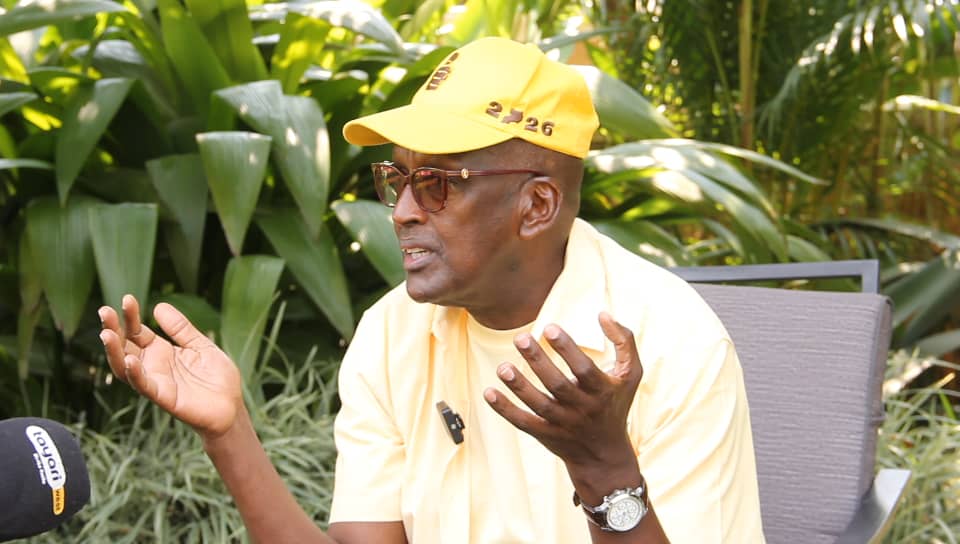
In a recent press briefing at his residence in Rukungiri Municipality, Lt. Gen. Henry Tumukunde, a former presidential candidate, accused Uganda’s opposition leaders of inconsistency, lack of sacrifice, and weak ideological grounding. He criticized them for undermining their credibility and failing to present a convincing alternative to the ruling government.
Opposition Politics Lacking Resilience and Sacrifice
Reflecting on his political journey and the state of opposition politics in Uganda, Tumukunde expressed his belief that successful opposition leaders must possess resilience and a willingness to sacrifice. He stated that these qualities were sorely lacking among many opposition figures today, who he believes are more interested in personal gain than in genuine political transformation.
“If you don’t have the resilience to sacrifice, you have no story to tell the public,” Tumukunde remarked. He added that voters can easily differentiate between genuine political actors and opportunists who shift their allegiances for personal benefit.
Political Chameleons Undermine Public Trust
Tumukunde particularly singled out prominent figures like Democratic Party (DP) president Norbert Mao, accusing him of political inconsistency. He likened such leaders to “political chameleons” who alter their positions depending on the circumstances, confusing voters and making it difficult to present a unified and clear political message. Tumukunde’s comparison to the famous singer “Chameleon” underlined the fluid and contradictory stances of these politicians.
Tumukunde also suggested that some opposition figures might even be covertly supported by the government, further eroding public trust in their independence and credibility.
A Call for Clear Ideological Commitment
Emphasizing the importance of clear ideological positions, Tumukunde urged Ugandans to critically evaluate the promises made by opposition leaders. He believes that many opposition parties lack the seriousness and capacity required to bring about meaningful political change. Tumukunde called for leaders to treat politics as a public service rather than a tool for personal advancement.
Rukungiri: A Call for Clear and Principled Leadership
Rukungiri, historically seen as an opposition stronghold, was highlighted by Tumukunde as an area where leaders must deliver principled, clear, and substantial messages to gain the public’s trust. He stressed that without consistency and conviction, opposition leaders would struggle to present a viable challenge to the government.
The Need for Real Political Change
Tumukunde’s remarks serve as a powerful critique of Uganda’s opposition leadership, challenging them to rise above opportunistic behavior and to commit to true political change. His call for stronger ideological foundations and greater sacrifice in the pursuit of national development could reshape Uganda’s political landscape if embraced by the public and opposition leaders alike.