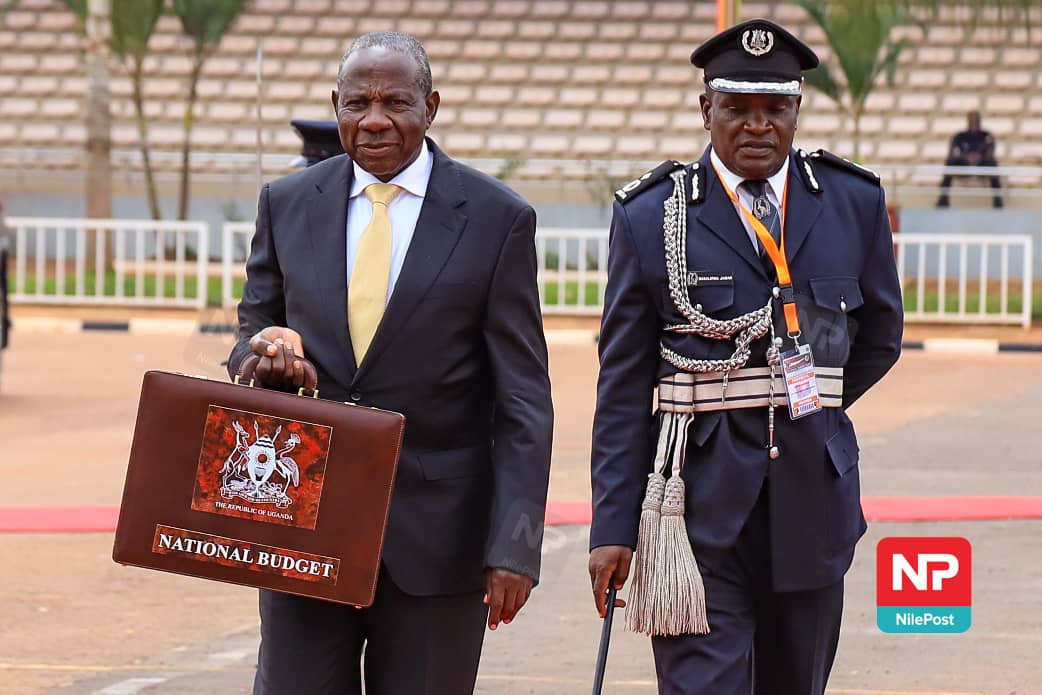
Uganda budget support cut marks a turning point as the country moves toward stronger domestic revenue generation and reduced reliance on foreign aid.
The Uganda budget support cut is set to redefine the country’s economic direction as the government moves away from heavy dependence on foreign aid and toward stronger local revenue generation. In the financial year beginning this July, Uganda plans to reduce external budget assistance by more than 80 percent, signaling a major shift in fiscal management and long-term sustainability.
The Ministry of Finance confirmed that funding from international partners, which includes both loans and grants, will fall sharply compared to the previous year. This change reflects Uganda’s strategic goal to strengthen economic independence while reducing exposure to external debt risks.
Why Uganda Is Reducing External Budget Support
The Uganda budget support cut is closely tied to a broader policy aimed at increasing domestic revenue collection. Government projections show that local revenues are expected to grow significantly in the coming financial year, driven by tax reforms, improved compliance, and expansion of economic activities.
Officials believe relying more on internal resources will allow Uganda to maintain financial stability, especially as global financial conditions become more uncertain. By limiting foreign borrowing, the government is also working to control debt growth and reduce pressure on future budgets.
Domestic Revenue to Play a Bigger Role
Uganda’s domestic revenue is projected to rise by about 9 percent in the next financial year, reaching more than 40 trillion shillings. This increase is expected to offset the decline in foreign budget assistance while supporting government programs, infrastructure development, and public services.
The Uganda budget support cut aligns with efforts to improve tax administration and broaden the tax base. Sectors such as energy, trade, and manufacturing are expected to contribute more as economic reforms take hold.
Debt Reduction Strategy Gains Momentum
Another major driver behind the Uganda budget support cut is the country’s commitment to managing its growing public debt. The government plans to lower domestic borrowing by more than 20 percent in the next financial year, easing pressure on interest payments and reducing the risk of fiscal stress.
By limiting both external and internal borrowing, Uganda aims to create a more balanced financial structure that can withstand economic shocks while still supporting national development goals.
Oil Production Strengthens Uganda’s Outlook
Uganda’s expected start of crude oil production this year has also influenced the decision to reduce foreign budget support. Oil revenues are projected to improve government income, helping fund public spending without relying heavily on external lenders.
This development gives Uganda greater confidence to move forward with its new fiscal strategy, making the Uganda budget support cut a calculated step toward long-term economic self-reliance.
What the Policy Shift Means for Uganda’s Future
The Uganda budget support cut represents more than a budget adjustment. It reflects a strategic pivot toward financial independence, improved debt control, and sustainable growth. If successful, this shift could strengthen Uganda’s economy and reduce vulnerability to global financial disruptions.