KAMPALA – As Uganda marked 60 years of independence, the celebrations were clouded by a pressing question: Is freedom in Uganda a reality, or is it merely an illusion? While the Constitution promises freedoms of speech, assembly, and political participation, the lived experience of many Ugandans tells a different story.
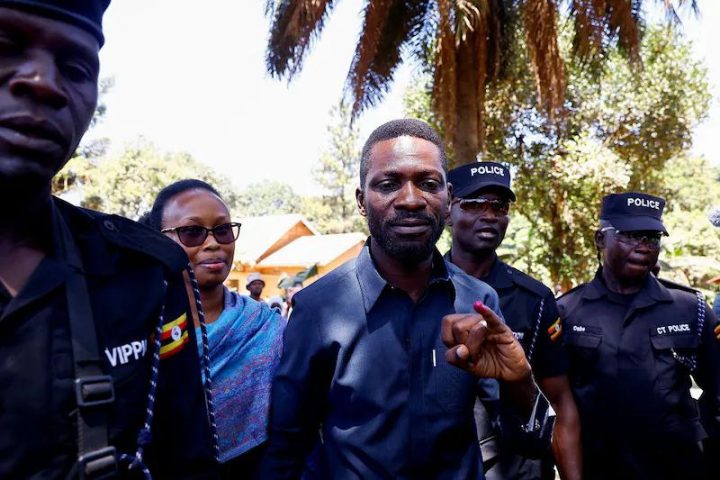
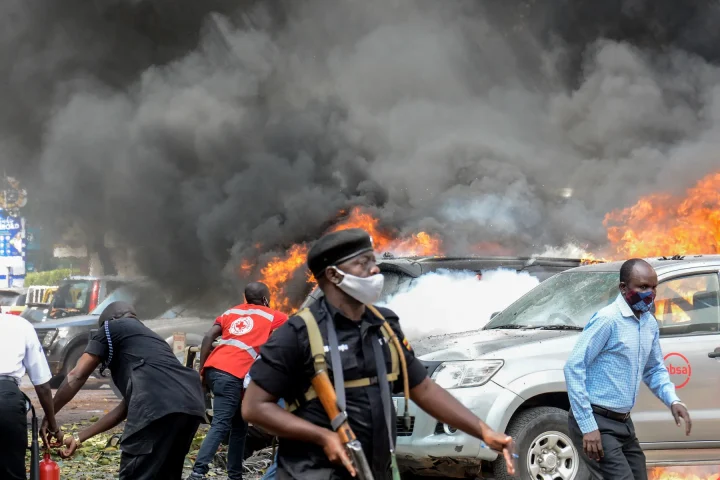
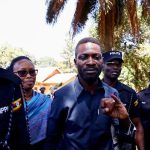
Opposition rallies are frequently blocked, journalists harassed, and candidates who dare challenge the ruling party subjected to intimidation, detention, or even violence. The 2021 general election remains a stark reminder. Opposition leader Robert Kyagulanyi, widely known as Bobi Wine, was arrested several times, while dozens of his supporters disappeared. Human rights groups documented killings, mass arrests, and systematic suppression of dissent.
One haunting case is that of Moses Kakuru, an aspiring parliamentary candidate from western Uganda. After announcing his candidacy in 2021, he was detained and tortured, later released under unclear circumstances. His brother was later killed, and another sibling shot during an opposition rally. Kakuru himself was left partially blind from torture. His family’s unanswered pleas for justice mirror the struggles of countless others whose loved ones vanished during election crackdowns.
The trend of repression extends beyond politics. Prominent human rights lawyer Nicholas Opiyo has faced repeated arrests on controversial charges. Journalists from outlets like The Observer have been assaulted while covering protests. Even ordinary citizens have been detained for simply wearing opposition colors in public.
For many Ugandans, these realities question the meaning of independence. “On paper, we are free. In reality, people fear speaking their minds,” said a Kampala university student. “If someone can vanish for standing in an election, then what kind of freedom is that?”
As the country reflects on six decades of self-rule, the contrast between the ideals of independence and the reality on the ground is sharp. To critics, Uganda at 60 symbolizes promises unfulfilled, where constitutional freedoms exist only in writing but are stripped of meaning by political repression. For survivors and activists, the fight for true freedom continues, overshadowing the jubilee celebrations with a question that refuses to fade: Is Uganda truly free, or is freedom still an illusion?