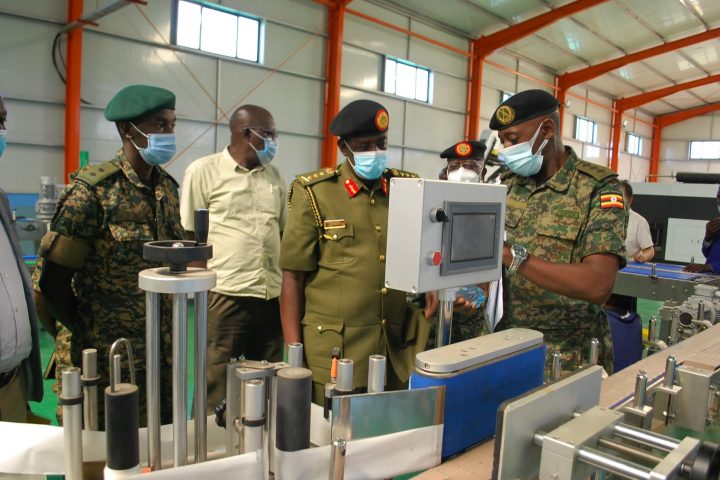
The Rubanda iron ore export ban, imposed in 2021 by Uganda’s Ministry of Energy and Mineral Development, continues to spark frustration among miners in the southwestern district. They now plead for its removal, citing massive financial strain, idle stockpiles, and community hardship as key consequences of the restriction.
Export Ban Aimed at Value Addition
The ban was introduced to encourage local processing and value addition under the Mining and Minerals Act of 2022. However, miners argue that the policy, though well-intentioned, was poorly timed and implemented without the necessary infrastructure to support beneficiation of raw materials.
Mountains of Unsold Ore and Rising Debt
Heaps of unsold iron ore now lie abandoned across mining sites in Rubanda. Artisanal and small-scale miners who had taken out loans to invest in equipment and manpower now find themselves struggling to survive.
“We had invested a lot, with hopes of supplying our ore. But now, nobody is buying. Our workers can’t send their children to school,” said Sam Nshemereirwe Kaboneka, a miner in the region.
Mining Firms Scaling Down
At JAF Investments Ltd, operations have nearly ground to a halt. Engineer Dominic Otto, the firm’s mining engineer, said they’ve reduced their workforce by half due to the lack of sales and revenue.
“We used to export 10 to 15 tonnes monthly. Now we’re stuck. If this goes on, we’ll have to shut down completely,” Otto warned.
Experts Support Value Addition—But with Caution
Some industry experts like Eng Jack Alberto Mihigo agree with the principle behind the ban but emphasize the need for a transitional framework.
“Banning raw material exports is good for economic transformation, but local realities must be considered. There must be ready processing capacity before enforcement,” Mihigo said.
Government Defends Its Decision
Irene Pauline Batebe, Permanent Secretary at the Ministry of Energy and Mineral Development, defended the policy as part of Uganda’s broader industrialisation agenda.
“The goal is to maximise benefits from Uganda’s mineral wealth through value addition. We are already supporting companies to enter processing,” Batebe explained.
Local Impact and the Call for Reform
Despite the policy’s long-term vision, Rubanda’s miners are yet to benefit. Instead, they report deepening poverty, halted operations, and economic uncertainty.
Unless the government facilitates processing plants accessible to small-scale operators, stakeholders warn the region’s iron ore resources will remain untapped and wasted.