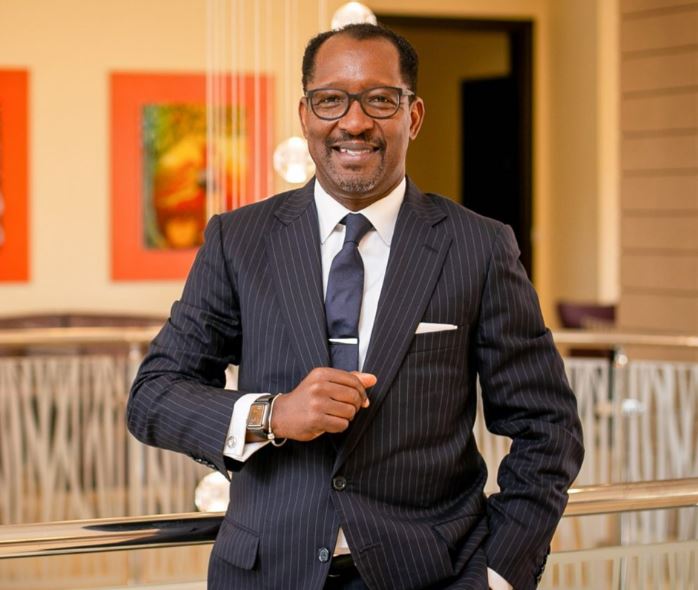
The Uganda Securities Exchange (USE) has officially bid farewell to Richard Byarugaba, its outgoing Board Chairperson, praising his visionary leadership and reform-driven approach. Byarugaba, who has been a pivotal figure in Uganda’s financial sector, leaves behind a strong legacy of corporate governance, investor confidence, and market modernization.
Byarugaba’s Legacy at USE
In its statement, the Exchange hailed Byarugaba for steering reforms that advanced governance, innovation, and strategic growth. His leadership was credited with fostering transparency, widening investor participation, and positioning USE as a credible player in the East African capital markets.
“Mr. Byarugaba’s leadership and commitment to excellence have left a lasting impact on the Exchange. We acknowledge his invaluable contributions and wish him success in his next endeavors,” the statement read.
Track Record in Finance and Investment
Byarugaba is best known for his tenure as Managing Director of the National Social Security Fund (NSSF), where he oversaw phenomenal growth. Under his stewardship, the Fund’s assets under management rose from under Shs 2 trillion to over Shs 17 trillion, making NSSF one of East Africa’s largest institutional investors.
He also introduced sweeping reforms in compliance, digitization, and governance, which improved efficiency and built investor trust. Beyond NSSF, his executive roles at Barclays Bank, Standard Chartered Bank, and Nile Bank cemented his reputation as a reformer and strategist in Uganda’s financial sector.
Regional Market Competitiveness
Byarugaba’s leadership at USE unfolded within a highly competitive regional context.
- Nairobi Securities Exchange (NSE): ~$10 billion market capitalization, 60+ listed companies.
- Dar es Salaam Stock Exchange (DSE): ~$6 billion capitalization, 25+ listings.
- Rwanda Stock Exchange (RSE): Smaller but active through cross-listings.
- Uganda Securities Exchange (USE): ~$5 billion capitalization, fewer than 20 listed companies.
Byarugaba pushed for reforms aimed at narrowing these gaps, including regional integration under the East African Securities Exchanges Association (EASEA), encouraging new listings, and strengthening governance frameworks.
Challenges and Future Outlook
While USE has made progress, challenges remain. Liquidity levels are still shallow, retail investor participation is limited, and Uganda continues to lag behind Nairobi and Dar es Salaam in market depth. Analysts note that the Exchange’s next leader must build on Byarugaba’s reforms by:
- Deepening liquidity.
- Attracting new domestic and cross-listed companies.
- Expanding participation among retail and institutional investors.
Despite these hurdles, Byarugaba’s disciplined investment strategy and governance reforms provide a solid foundation for USE’s future growth. His successor will inherit a stronger, more resilient platform, but the pressure to compete regionally remains high.
Conclusion
Richard Byarugaba’s departure from the Uganda Securities Exchange marks the end of an impactful chapter. His legacy of reform and financial discipline not only transformed USE’s governance but also positioned it as a credible player in the East African capital markets. The big question now is whether his successor can sustain this momentum and push Uganda’s Exchange to the next level of competitiveness.