Trump approval ratings have declined steadily as economic pressures and geopolitical tensions reshape public sentiment in the United States. Since returning to office, the president has faced mounting criticism over rising costs of living, a concern that continues to dominate voter priorities.
Initially, Trump entered his second term with modest public support. However, shifting economic conditions and foreign policy challenges have steadily eroded that backing. As a result, his administration now faces growing political risks ahead of key midterm elections.
Trump Approval Drops as Economic Concerns Rise
At the start of his second term, Trump approval stood at around 52%, according to aggregated polling data. While not exceptionally high, it provided a workable mandate following a contentious election.
However, that support quickly weakened. By late February, approval had fallen to 42%. More recently, it has slipped further to about 40%. This steady decline signals increasing dissatisfaction among voters.
Economic issues remain central to this trend. Inflation, high consumer prices, and broader cost-of-living pressures continue to weigh heavily on households. Consequently, public confidence in economic management has deteriorated.
Polling data shows that approval of Trump’s handling of the economy dropped from 43% early in his term to just 35% by mid-2025. More recent figures place it even lower, at 29%. This marks a significant shift in public perception.
Iran War Intensifies Pressure on Trump Approval
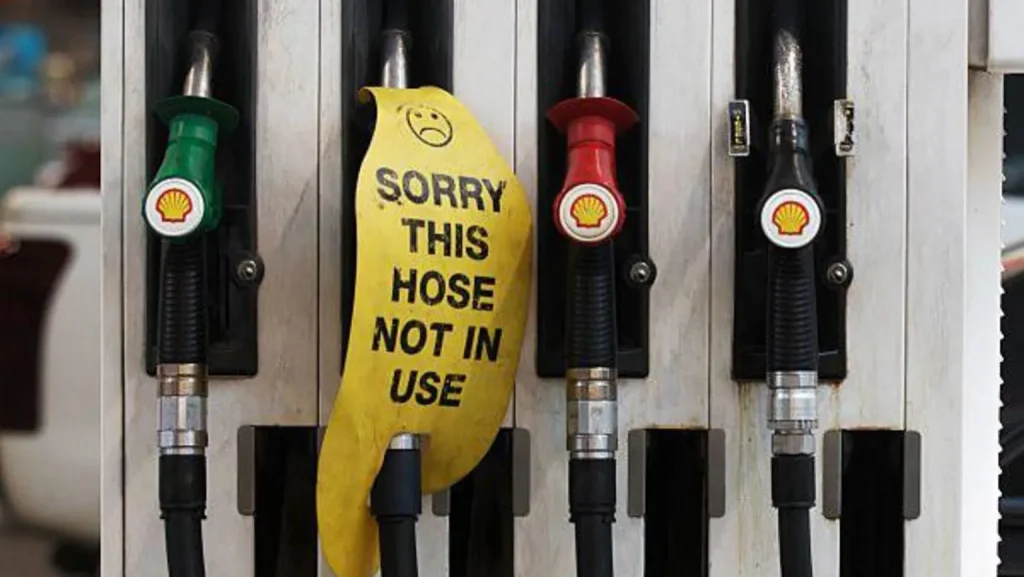
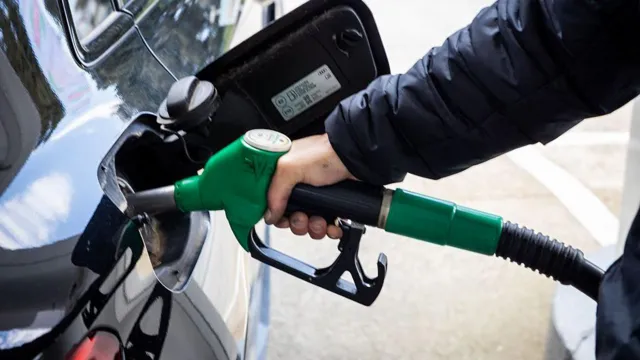
The Iran conflict has amplified economic concerns. Rising oil prices have driven fuel costs higher, with gasoline approaching $4 per gallon nationwide. This increase has had a direct impact on consumer spending and sentiment.
Moreover, the war has introduced broader uncertainty into global markets. Supply disruptions and geopolitical risks have contributed to economic instability. As a result, voters increasingly associate foreign policy decisions with domestic financial strain.
Public opinion reflects this tension. While many Americans opposed military intervention from the outset, the economic consequences have deepened dissatisfaction. Therefore, Trump approval has continued to decline during the conflict.
Democrats Gain Momentum in Elections
Political data suggests that economic dissatisfaction is benefiting opposition candidates. In special elections throughout 2025, Democrats outperformed expectations by an average of 13% compared to previous results.
This shift indicates a broader trend. Voters appear more willing to support alternatives when economic conditions worsen. Consequently, the Republican advantage established in 2024 is beginning to erode.
Independent voters are playing a critical role in this dynamic. Previously key to Trump’s electoral success, they now show signs of moving away from the administration. This shift could prove decisive in upcoming elections.
Read Also
UAE Oil Hub Fujairah Hit in New Iran Drone Attacks
Jaishankar Hormuz Talks Aim to Ease Shipping Crisis
FCC Licence Threat After Trump Media Criticism
Oil Prices Fall After Trump Iran War Remarks
Republican Base Remains Strong Despite Decline
Despite falling overall numbers, Trump retains strong support within his political base. Polling shows that a large majority of Republican voters continue to back both his leadership and military decisions.
For example, surveys indicate that more than 80% of Republicans approve of his handling of the Iran conflict. This loyalty has helped stabilize Trump approval, preventing a sharper drop.
However, reliance on core supporters may not be enough. Broader electoral success requires appeal beyond the party base. Without strong independent backing, Republicans could face significant challenges.
Independent Voters Shift Alters Political Landscape
Independent voters are increasingly expressing dissatisfaction. Their concerns center on economic management and the broader impact of foreign policy decisions. As a result, their support for the administration is weakening.
This shift is particularly important given their influence in swing districts. In 2024, independent voters played a decisive role in securing Republican victories. Now, their changing preferences could reverse that trend.
Furthermore, polling suggests that independents are less supportive of military action in Iran. Combined with economic concerns, this stance contributes to declining Trump approval.
Midterm Elections Pose Critical Test for Trump
With midterm elections approaching, the political stakes are rising. Current approval levels place the administration in a vulnerable position. Historically, presidents with declining approval often face losses in congressional elections.
Republican leaders acknowledge the risk. At recent political gatherings, they emphasized the importance of maintaining control of Congress. However, shifting voter sentiment complicates that goal.
If economic conditions worsen or the Iran conflict persists, the impact on Trump approval could intensify. Therefore, the coming months will be crucial in determining the political trajectory of the administration.